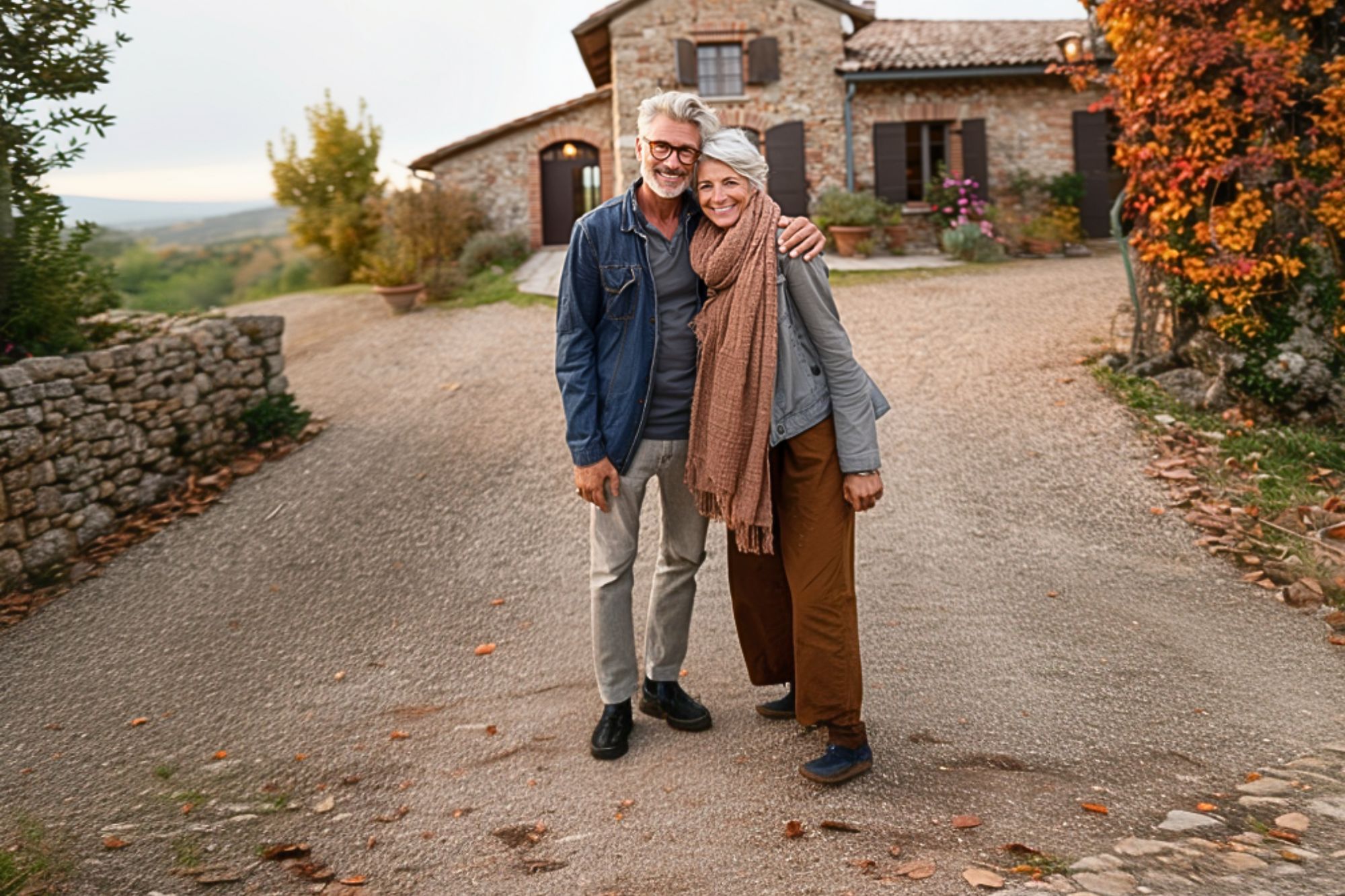
Something beautiful happens when people reach their forties and fifties. Life begins to whisper different truths than it did in their twenties and thirties. The chase for external validation starts to feel hollow, and the pull toward authenticity becomes impossible to ignore.
Many in this age group find themselves standing at a crossroads, holding keys to urban homes that no longer feel like sanctuaries. The countryside calls to them with promises of space to breathe, time to think, and permission to live differently.
If you’ve felt this magnetic pull toward rural life, you’re far from alone. Understanding what drives this profound shift can help you recognize whether your own heart is ready for such a meaningful transition.
1. They seek a slower, more intentional pace of life.
Rush hour traffic jams used to feel like an inevitable part of adult life. Now they represent everything these individuals want to leave behind. Likewise, the constant pressure to optimize every minute, to squeeze productivity from every moment, has lost its appeal entirely.
Midlife brings a profound shift in how people view time itself. Quality becomes infinitely more valuable than quantity when measuring daily experiences. Long conversations with neighbors carry more weight than packed social calendars full of surface-level interactions.
Walking replaces treadmill sessions. Cooking becomes meditation rather than a chore to rush through. Evening hours stretch luxuriously without the need to fill them with achievements or obligations that drain energy. The transition feels revolutionary because they’re finally living according to internal rhythms rather than external demands.
2. They crave an authentic connection with nature.
It is well documented how daily exposure to natural environments reduces cortisol levels and boosts wellbeing. People making this countryside transition discover these benefits firsthand as their sleep improves and anxiety decreases naturally.
Seasonal changes transform from inconveniences into sources of anticipation and wonder. Rain brings excitement for the garden rather than frustration about traffic delays. Snow creates opportunities for cozy indoor projects instead of commute anxiety.
Bird watching becomes surprisingly absorbing entertainment that costs nothing but offers immense satisfaction. Colors seem more vivid outdoors than they ever did through office windows. The connection feels essential and primal, like rediscovering a forgotten part of themselves that concrete and fluorescent lighting had slowly eroded over decades of indoor living.
3. They have introvert tendencies.
Quiet surroundings become essential rather than just preferred as these individuals reach midlife. The constant buzz of urban environments—sirens, traffic, construction, and crowds—gradually transforms from background noise into an energy drain they can no longer ignore or push through.
Fewer people around means fewer social demands throughout each day. Simple errands like grocery shopping or visiting the post office become pleasant interactions rather than overwhelming sensory experiences. Rural communities naturally provide the manageable social contact that allows introverts to engage meaningfully without becoming depleted.
Long stretches of uninterrupted time for thinking, creating, or simply being become possible when neighbors don’t live mere feet away through thin walls. The space between social interactions allows for genuine recharging rather than constant performance.
4. They want to embrace self-sufficiency.
YouTube tutorials become evening entertainment as they learn to replace faucets, split firewood, or build chicken coops from scratch. Hands-on problem solving awakens parts of their brains that felt dormant during years of abstract work and digital tasks.
Growing their own vegetables connects them to food sources in ways that grocery shopping never could. The first successful tomato harvest or collecting eggs from their own chickens creates pride that feels earned rather than purchased through convenient consumer transactions.
Skills their grandparents considered basic survival knowledge become exciting new challenges to master. Calling repair services for every minor issue starts to feel unnecessary and expensive when they discover the satisfaction of fixing things themselves. Self-reliance builds confidence that extends far beyond practical abilities into other life areas.
5. They value community and deeper relationships.
Volunteer opportunities in small communities carry real weight because individual contributions make visible differences. Serving on volunteer fire departments, organizing local events, or helping with food banks creates meaningful engagement that busy urban lives often lack, despite being surrounded by millions of people.
People know each other as complete human beings rather than just job titles or social media profiles. The local mechanic might also serve as town historian, while the librarian raises sheep and teaches fiber arts on weekends.
Urban networking often felt transactional and shallow, focused on professional advancement rather than genuine human connection. Rural relationships span generations and diverse interests, where helping neighbors feels natural rather than strategic. These connections provide purpose and belonging that career-focused social circles rarely match.
6. They have a strong appreciation for simple pleasures.
The vast array of entertainment available in urban settings loses its magnetic pull when genuine satisfaction comes from watching sunrises, listening to rain on metal roofs, or sharing meals made from ingredients they grew themselves. The shift happens gradually as they slow down enough to notice subtle beauties.
Fresh eggs taste completely different from store-bought versions. Seasonal eating becomes natural rather than trendy. Weekend adventures transform into walks through local woods rather than expensive trips to crowded attractions that require planning, traffic, and significant financial investment.
Evening entertainment might involve reading by lamplight, playing board games, or listening to music without constant digital distractions. Simple doesn’t mean settling for lower quality. Instead, they’ve learned to recognize authentic richness in experiences that consumer culture often overlooks or dismisses as boring.
7. They desire privacy and space.
Physical space provides mental space that close-contact living never quite achieves. Room to spread out craft projects, workshop areas for building and repairing items, and gardens for growing food all contribute to feelings of freedom and genuine possibility.
The ability to walk outside without encountering crowds, to play music without worrying about thin walls, or to pursue hobbies that require space becomes increasingly essential for their wellbeing and creative expression.
Privacy allows for completely authentic living without constant social performance pressure. No need to maintain appearances for neighbors they barely know or worry about judgments from strangers passing their windows. The freedom to be themselves entirely, even in outdoor spaces, provides relief they didn’t realize they desperately needed.
8. They are highly sensitive to their environment.
Traffic sounds, the hubbub from local food or entertainment venues, and the constant hum of urban life begin to affect their sleep, concentration, and overall mood in ways they hadn’t previously recognized or connected to their environment.
Air quality differences become noticeable and crucial for their wellbeing. The ability to breathe deeply without thinking about pollution, to see stars at night, and to experience natural lighting cycles affects their energy levels and emotional stability significantly.
Seasonal Affective Disorder symptoms often decrease when they have easy access to natural light and outdoor spaces throughout the day. Environmental changes become therapeutic tools they can control rather than stressful factors they must endure while living in dense urban settings.
9. They want to explore a nostalgic connection to simpler times.
Traditional skills like canning vegetables, baking bread from scratch, or raising small animals connect them to ancestral knowledge that feels meaningful and grounding in ways their corporate careers never achieved.
Childhood memories of grandparents’ farms, summer visits to rural relatives, or simpler holiday celebrations call to them with increasing emotional strength. The memories represent values they want to reclaim and pass forward rather than mere nostalgia.
Holiday celebrations become more personal and less commercial when they can incorporate homemade elements and seasonal traditions. They understand rural life includes genuine challenges and hard work, but the trade-offs feel worthwhile when weighed against urban stress, disconnection from food sources, and constant pressure to consume rather than create meaningful things.
How Your Heart Already Knows What Your Mind Is Still Figuring Out
Perhaps you recognize yourself in these traits, feeling that familiar tug toward country roads and open spaces. Maybe you’ve caught yourself lingering over real estate listings for farmhouses, or finding yourself drawn to documentaries about people who’ve made the leap to rural living.
Change this significant rarely happens overnight. Your heart has probably been preparing for longer than you realize, gathering evidence and building confidence for what might come next. The desire for countryside living often grows slowly, like seeds that have been taking root in the fertile ground of your evolving priorities and values.
Whether you’re ready to start researching rural communities or still in the dreaming phase, trust that these feelings deserve attention and respect. Life has seasons just like the countryside does, and maybe you’re sensing that your season of urban living is drawing to a close. The traits that draw people to rural life aren’t weaknesses or escapes from reality. They’re signs of wisdom, maturity, and clarity about what truly matters in the years ahead.