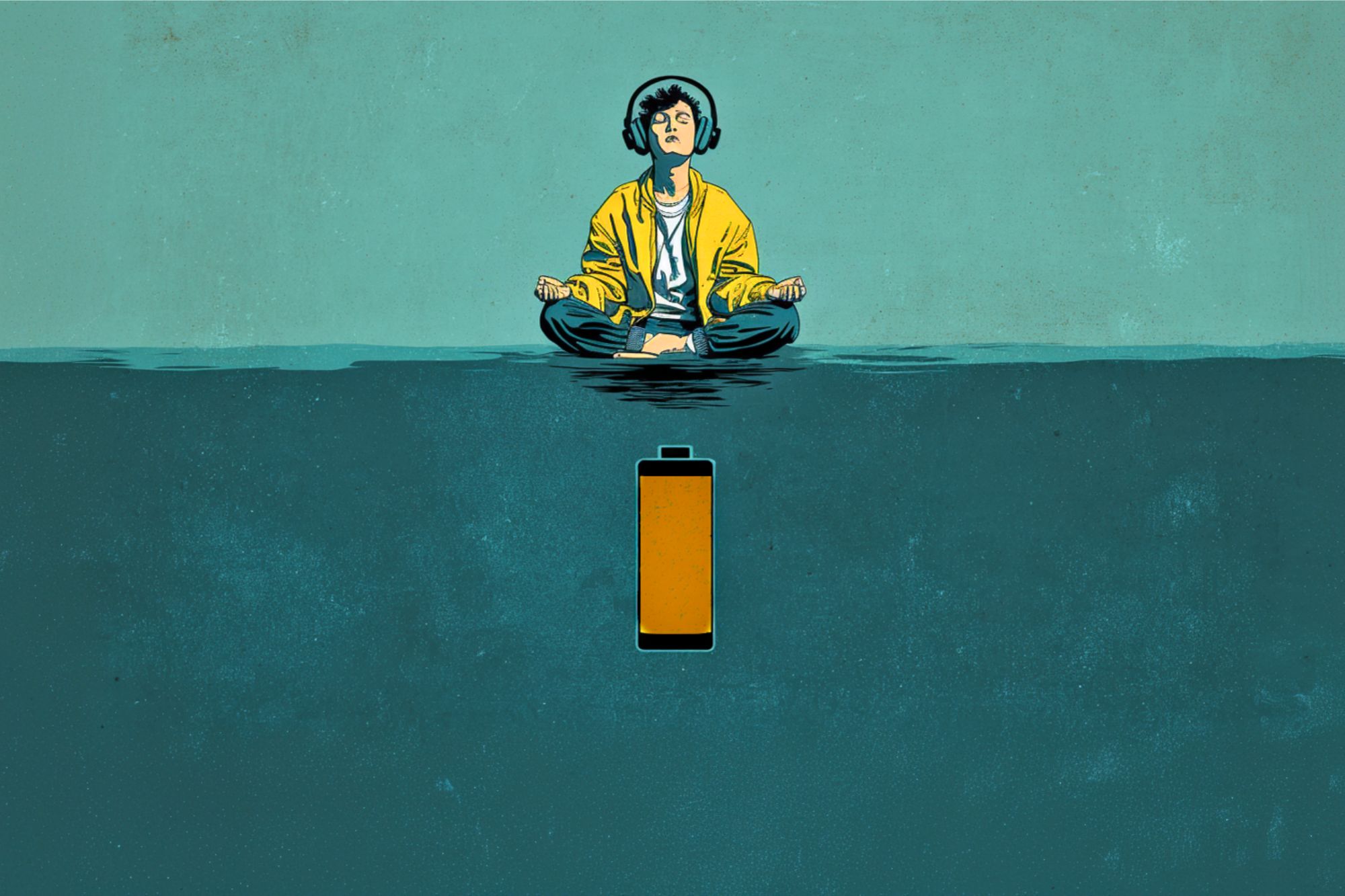
Living with lower energy levels and a preference for calm environments comes with its own unique set of behaviors and responses to the world around you. These tendencies often develop naturally as your mind and body seek balance in a stimulating world.
People who experience life this way develop these specific patterns of behavior to help them navigate daily challenges while honoring their authentic needs. Understanding these behaviors can bring tremendous relief and self-acceptance, especially when you’ve been questioning whether your responses are normal or healthy. These adaptations represent your inner wisdom at work, guiding you toward experiences that nourish rather than drain your energy reserves.
1. You regularly spend prolonged periods of time alone.
Extended solitude feels essential rather than optional for your wellbeing. Hours can pass while you read, craft, journal, or simply sit with your thoughts, and these moments bring genuine restoration to your spirit. Others might worry that you’re isolating yourself, but you know the difference between loneliness and chosen solitude.
During these quiet stretches, your mind processes recent events and your emotions regarding them, all at its own gentle pace. Perhaps you lose yourself in watercolor painting for an entire afternoon, or spend Sunday morning reflecting over coffee without any agenda. These aren’t escapes from life but rather necessary pauses that allow you to show up more authentically in your relationships.
Friends and family members sometimes misunderstand this need, viewing it as antisocial behavior or depression. Yet you recognize these periods as fundamental to your mental health and emotional balance. The misconception that needing alone time makes you a “loner” simply doesn’t apply here—you’re practicing essential self-care that allows you to engage meaningfully when you do connect with others.
2. You physically retreat when environments become too stimulating.
Your body signals when sensory input becomes overwhelming, prompting an immediate response. Stepping outside for fresh air during a loud restaurant dinner provides instant relief from competing conversations and clattering dishes. Sometimes, you excuse yourself to the bathroom simply to experience thirty seconds of relative silence.
Moving away from crowds happens instinctively, like finding a quieter hallway during a busy conference or seeking out an empty room during family gatherings. These aren’t conscious decisions so much as natural responses to preserve your nervous system from overload.
Recognizing these retreats as protective rather than antisocial helps eliminate any guilt about needing space. Your body’s instinctive wisdom kicks in before your mind even registers the overwhelm, guiding you toward environments where you can breathe deeply again. Friends who understand this pattern learn to give you space without taking it personally, knowing you’ll return when you’re ready to reengage.
3. You regularly turn down invitations.
Declining social invitations often brings waves of guilt, especially when you genuinely care about the people involved. However, saying no represents careful energy management rather than rudeness or disinterest. Each invitation requires honest assessment of your current reserves and recovery needs.
Quality connections matter more than quantity of social experiences in your world. Attending two events in one week might leave you depleted for the following week, so choosing the most meaningful gathering serves everyone better. Your friends receive your full presence instead of a drained version of yourself going through the motions.
Developing graceful ways to decline becomes crucial for maintaining relationships while honoring your limits. Simple phrases like “I need to recharge this weekend” or “I’m keeping things low-key lately” communicate your boundaries without elaborate explanations. Friends appreciate your honesty and would rather see you thriving than forcing participation that leaves you exhausted.
4. You choose hobbies that involve peace and quiet.
Reading transports you to other worlds without overwhelming your senses with noise or chaos. Gardening connects you with natural rhythms while providing gentle physical activity and mental focus. Knitting, painting, writing, and puzzle-solving offer perfect combinations of mental stimulation and calming repetition. Even activities that might seem more active, like golf, appeal because they unfold at measured paces in relatively peaceful settings.
These hobbies align beautifully with your natural energy patterns, providing satisfaction without depleting your reserves. Meditation might become a cornerstone practice, offering both hobby and restoration in one gentle package.
Each chosen activity serves therapeutic purposes beyond entertainment. The rhythmic motions of crafting calm your nervous system, while creative expression processes emotions in healthy ways. Friends might suggest high-energy hobbies, but you’ve learned to trust your instincts about which activities truly nourish your spirit versus those that sound appealing in theory but drain you in practice.
5. You spend time in nature to feel restored.
Forest paths, lakeside benches, and garden corners provide medicine for overstimulated senses. Walking alone through trees offers gentle sensory input that soothes rather than overwhelms you—bird songs, rustling leaves, and filtered sunlight create perfect natural soundscapes. Even fifteen minutes in a nearby park can reset your entire day.
Sitting by water brings particular peace, whether it’s an ocean, river, or simple backyard fountain. The rhythmic sounds create natural white noise that drowns out more jarring urban sounds while providing consistent, calming input for your nervous system.
Science supports what you’ve always felt intuitively—nature exposure reduces stress hormones and promotes mental clarity. Japanese concepts like forest bathing validate your instinct to seek trees and green spaces when feeling overwhelmed. Gardening combines this natural restoration with purposeful activity, letting you nurture growing things while nurturing your own wellbeing simultaneously.
6. You shop early in the morning to avoid the crowds.
Planning daily activities around crowd patterns becomes second nature when you’re prone to sensory overload. Grocery shopping at 7 AM means encountering peaceful aisles, shorter checkout lines, and staff members who aren’t yet stressed from managing busy periods. The entire experience flows more smoothly.
Movie theaters during weekday matinees offer similar relief—comfortable seating choices, lower volume levels for previews, and space to breathe without feeling packed in. Museums on Tuesday mornings provide contemplative experiences rather than shoulder-to-shoulder art viewing.
Running errands during off-peak hours requires some schedule flexibility but pays dividends in terms of reduced stress and greater efficiency. Post offices at opening time, banks on quiet afternoons, and even medical appointments scheduled early help you accomplish necessary tasks without depleting precious energy reserves through overstimulation.
7. You automatically seek out the quietest spots in any environment.
Restaurant hostesses might wonder why you always request specific tables, but you’ve learned exactly which spots work best for your comfort. Scanning any new environment becomes automatic—assessing lighting levels, identifying noise sources, and locating the calmest corners before settling anywhere.
Your radar for peaceful pockets develops through experience and necessity. Coffee shops with too many blenders get mentally crossed off your list, while that one quiet bookstore café becomes a treasured discovery. Even waiting rooms get evaluated for the seats that offer the most tranquility.
This isn’t pickiness but rather practical wisdom gained from understanding what environments drain versus restore your energy. Once you find your ideal spot, the difference in your comfort level becomes immediately apparent. Your shoulders relax, breathing deepens, and you can actually focus on enjoying the experience rather than managing sensory overwhelm. Friends learn to let you choose seating first, recognizing that your comfort in these small details affects the entire group’s enjoyment.
8. You organize your schedule to include recovery time.
Calendar management becomes an art form when you understand your energy patterns. Blocking out several hours of complete solitude after social events allows proper decompression before returning to regular activities. Weekend mornings might stay completely unscheduled to provide natural restoration time.
Buffer periods between commitments prevent the rushed feeling that comes from back-to-back activities. Arriving fifteen minutes early somewhere gives you time to adjust to new environments gradually rather than jumping straight into stimulating situations.
Deliberately keeping entire days free for restoration might seem excessive to high-energy friends, but you’ve learned that these blank spaces are essential maintenance for your wellbeing. Planning becomes less about cramming in maximum activities and more about creating sustainable rhythms that honor your natural energy cycles.
9. You use earbuds or headphones as a social barrier.
Sometimes, wearing earbuds without any audio playing provides the perfect solution for creating personal space in public areas. The visible signal helps others understand that you’re not available for casual conversation while giving you permission to exist peacefully in your own bubble.
Putting them in during transitions between activities—walking between classes, riding elevators, or waiting in lobbies—creates mini sanctuaries of calm throughout busy days. Even soft instrumental music or nature sounds can transform overwhelming environments into manageable experiences.
These aren’t antisocial tools but rather practical devices for energy conservation. Creating your own quiet bubble allows you to move through stimulating environments while maintaining inner peace.
10. You fidget or self-soothe when overstimulated.
Playing with jewelry, touching your hair, or rubbing your arms provides gentle sensory input that helps regulate your nervous system when overwhelmed. These repetitive movements serve important calming functions, offering your body ways to process excess stimulation through controlled, comforting actions.
Bouncing your leg under tables or tracing patterns with your fingers gives your nervous energy somewhere to go during meetings or social gatherings. Rather than trying to suppress these behaviors, recognizing them as helpful coping mechanisms reduces any self-consciousness about needing to move.
Professional settings might require more subtle self-soothing techniques like pressing fingertips together, rolling shoulders, or taking deliberately slow breaths. Learning which movements help most in different situations becomes part of your toolkit for navigating challenging environments while maintaining your composure and inner calm.
You Are Honoring Your Natural Rhythms, And That’s A Wonderful Thing
Understanding these patterns in yourself opens the door to deeper self-compassion and confidence in your choices. Each behavior represents your inner wisdom guiding you toward experiences that truly serve your wellbeing rather than depleting it. There’s sense in knowing when to step back, when to seek silence, and when to prioritize restoration over stimulation.
Your way of moving through the world offers something increasingly rare: thoughtful presence and genuine appreciation for life’s quieter moments. While society often pushes for more, faster, louder experiences, you’ve discovered the richness found in stillness and reflection. These aren’t limitations but rather strengths that allow you to notice beauty others might miss in their rush through daily life.
Living authentically according to your energy patterns creates space for others to do the same. Your modeling of healthy boundaries and self-awareness gives permission for friends and family to examine their own needs more honestly. The peace you cultivate through honoring these natural tendencies spreads outward, creating calmer interactions and deeper connections wherever you go.