Grief is a powerful, misunderstood thing. It’s so misunderstood because pop psychology has tried to distill it down into an easy-to-understand process. But as Dr. Deborah L. Davis writes, the “Five Stages of Grief” aren’t an accurate representation. The common beliefs surrounding the stages of grief are a misrepresentation of the origin of the material.
Outside of that context, there are smaller things you’ll experience in your journey with grief that nobody really tells you about. Let’s look at some of them.
1. You may be triggered by small reminders.
It always seems to be the little things that set off an avalanche of unexpected emotions. It can come at such random times by seeing or experiencing something that triggers a memory. Smell is a common trigger. Perhaps you get a whiff of perfume that a loved one used to wear, or the smell of a food that they loved. That can trigger a descent into depression and grief.
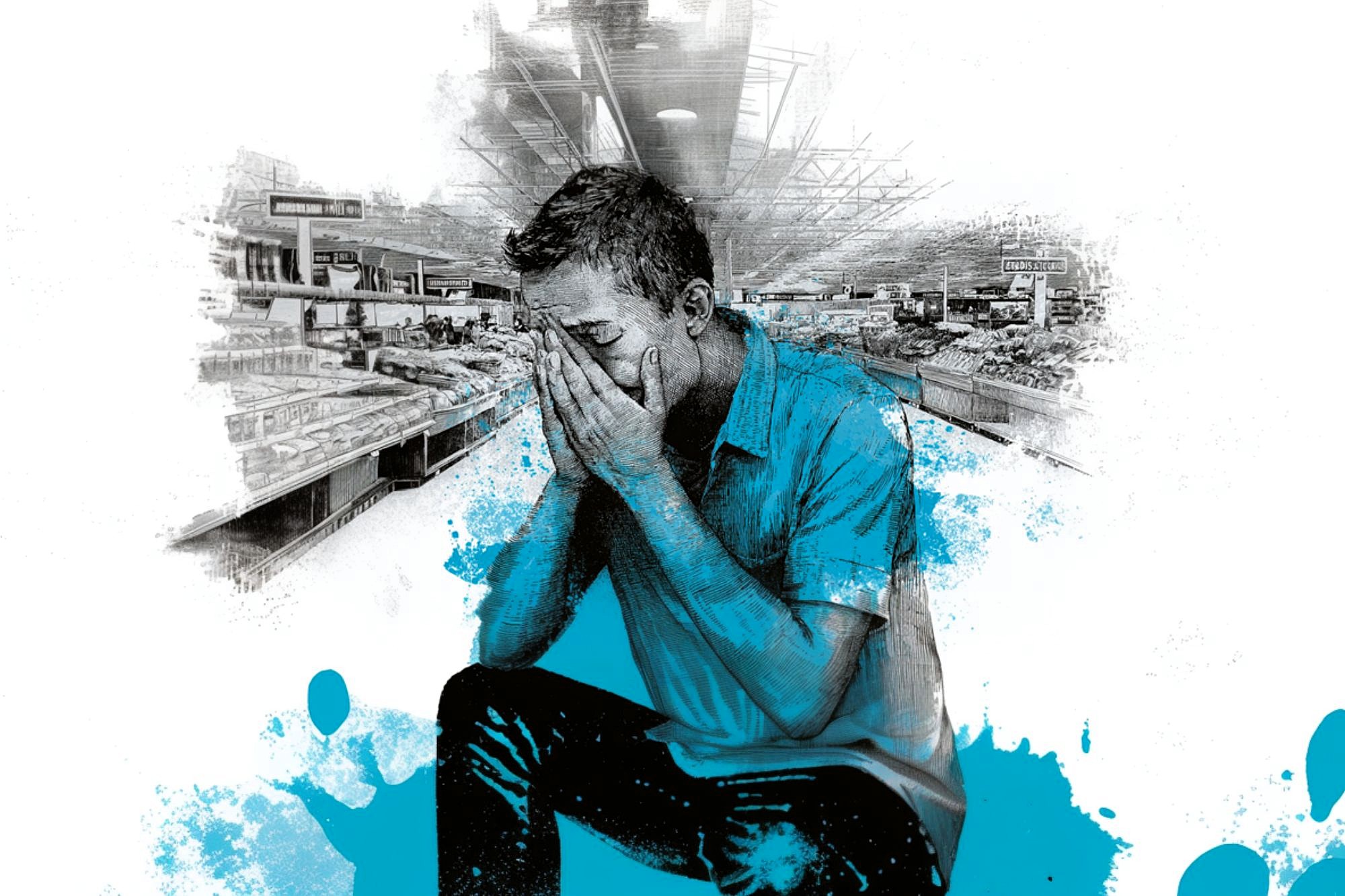
We’re often on guard for the big things, but may not see the small things until it’s too late. You can’t really predict walking past someone in the grocery store who happened to be wearing your dead father’s cologne, and now you’re crying from the memory. It’s just something we have to navigate in the moment, when we experience it.
2. You may find yourself alone.
One of the hardest parts of a traumatic loss is realizing that people aren’t as emotionally intelligent as you’d hope. At the start, you’ll likely find that the people around you will try to be understanding and supportive. However, as time goes on, you may look around and find yourself standing alone.
It’s not because they’re bad people or they don’t love you. It’s because no one really teaches us how to handle another person’s grief. People feel compelled to try to fix or move past the issue, but when you’re cut deep, it can take years to move past it. Frankly, a lot of people don’t have the emotional intelligence or resilience for that.
It’s usually not loud. A lot of times, it’s them withdrawing away from you, fewer phone calls, less reaching out, not asking how you’re doing because they already know the answer is bad. It’s hurtful, and it creates resentment.
3. You may find that small tasks and errands feel impossible.
Grief will sap you of energy, much like depression does, because grief often includes depression. You may have been a vibrant or energetic person before, but find yourself drained and depleted, unable to do things as simple as grocery shopping. The mental fog can be so dense that even choosing a cereal can feel impossible.
You may find that you’re not taking care of yourself as you should be. Maybe you don’t bother to do your makeup, or comb your hair, or brush your teeth. You may be hungry, but when you open the refrigerator, you can’t decide what to eat, so you just decide to go hungry instead.
Even the smallest of tasks can feel like an insurmountable obstacle because grief and depression will drain so much energy out of you.
4. Your brain may start working differently.
Loss can be a traumatic experience. Traumatic experiences often cause intangible harm. You may find that you have brain fog, can’t think as coherently, or your emotions become jumbled up more. It could be that you don’t feel sad or cry when you normally would, but that the emotions come out of nowhere for seemingly no reason.
If the loss was traumatic enough, you may even develop PTSD from it. For example, it’s common for people left behind by a suicide to develop PTSD from the sudden, unexpected death. Not to mention whatever other circumstances surrounded it, like being the one to find the aftermath.
Those kinds of experiences burn themselves into your brain and may fundamentally alter you. You may find it hard to feel happy, become more anxious, or experience a cognitive decline in functionality.
5. You’ll question who you are.
The pain of loss reshapes who you are and your perspective of the world. Everything you thought you understood may now seem foreign and scary, particularly if you’re feeling emotions you’ve not felt before. People who haven’t been through the pain of a deep loss or terrible circumstances in life may find those unexpected feelings scary.
And, even if you are expecting them, it can still be scary, because what does the future hold? How long will I feel this way? Is there any way to get back to being who I am? Or do I just have to keep moving forward even though I just want to sit down and stop?
There’s so much uncertainty because a traumatic loss does mean your life is changing in some way. Whether it’s losing the life you thought you’d have or a loved one dying, your present and future will not be what you had expected before. You’ll have to figure out who you are now.
6. You may experience irrational anger.
Anger is a common part of grief that people don’t like to talk about because anger is so unpleasant. There’s so much marketing aimed at how bad anger is, how it disrupts your happiness, and why would you want to be angry? And if you are angry, other people may feel like you’re being irrational or unreasonable, even when you have a right to be.
However, when it comes to grief, the anger can be intense and unfocused. You may find yourself angry at the person who you lost, which is something that often happens in suicides. Anger at the person who completed their suicide is a completely normal, valid response. That loss is a deep pain.
Or you may find yourself angry at the world, other people involved in a loss, or even yourself, because you may feel like you didn’t do enough or make good decisions. Realistically, no one’s perfect. Everyone’s going to get things wrong at times. Sometimes, you just don’t know any better.
7. You may feel guilty when you start feeling happier.
Grief is a powerful blow of negativity because it’s spurred by a major loss. As Speaking Grief shares, grief is a container for the bundle of different emotions that a loss incurs. One difficult emotion you will need to navigate is the feeling of guilt that may come with starting to feel better and heal.
Why would you feel guilty?
Well, when a tragedy occurs, it’s natural for people to ask, “Why me?” or “Why did this have to happen?” And the reality is that life is chaos, and unfair things happen to people who don’t deserve it all the time. Survivors are left to deal with that confusion, and they may feel like they don’t deserve to be happy if someone they love lost their life or something important to them.
They may think, “I don’t deserve to feel happy because my loved one is gone,” and that’s a hard feeling to move on from. How can I be happy when my loved one is gone?
8. You don’t “move on.”
Healing from a traumatic loss is not like getting over a cold or breaking an arm, where you treat the issue and then it goes away. Instead, grief is something that you carry with you, and will always carry with you in some ways. However, the goal of healing from your grief is not to discard it; it’s to make the weight smaller and easier to manage.
I’ve personally lost too many people I care about to suicide. And one important thing I’ve come to understand is how important it is to know that I will never completely get over it. You just can’t conceptualize being “okay” after some tragedies, and I certainly couldn’t after the first suicide. It’s been years, and I still will sometimes find myself getting choked up or shedding a couple of tears because of a random trigger.
For example, my ex-girlfriend loved Garfield the cat and had all of the characters tattooed on her. I still feel pangs of sadness when I see something Garfield-related, but that is ultimately better than not being able to get out of bed or wanting to join her.
In closing…
Grief is a messy, complicated thing. It’s not as simple as pop psychology articles and information want to make it out to be. Healing is not total and complete. It doesn’t mean that you’ll never find yourself crying in a grocery store after you’ve “healed”.
What it means is that you can carry the weight of the loss, find reasons to smile again, and continue to live your life. Whether your loss is a death or something important to you, these are all just a natural part of the human experience.