
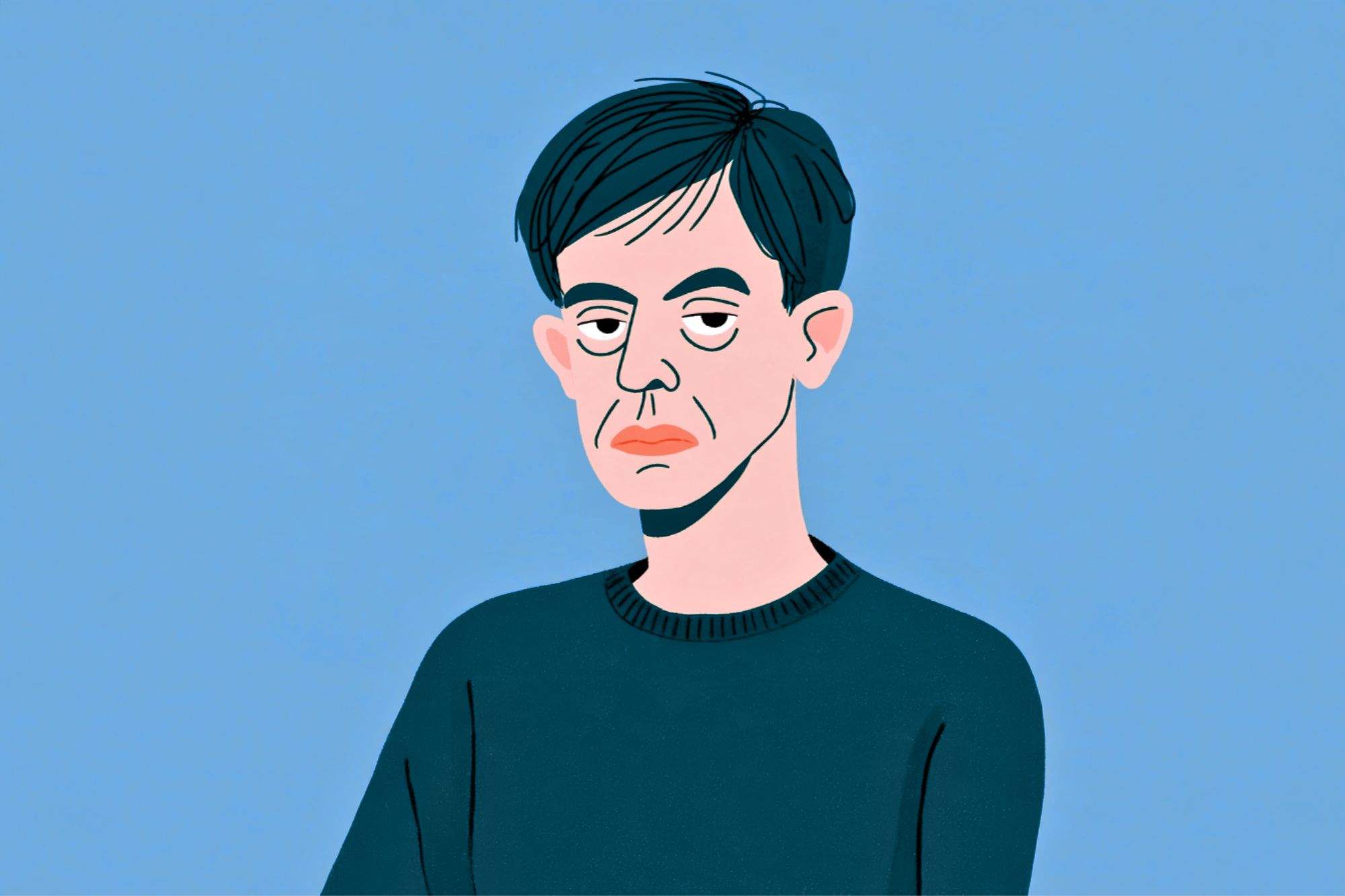
Feeling bitter about how your life turned out is more common than you think, but few people ever admit it out loud.
You smile at the wedding. You say congrats on the promotion. Then you drive home with that sour feeling in your chest again.
If that sounds familiar, you deserve some credit. You’ve kept going through things that hurt. You’ve shown up for the people in your life while part of you felt let down by life itself. That takes real strength.
And what’s more, the way you feel today can change. Many people have felt this exact way and found their way to a lighter, warmer place. You can too, and the next few minutes are a great place to start.
9 ways to tackle your bitterness and acquire a real taste for the life in front of you:
1. Call it what it is: bitterness isn’t just anger.
Anger is loud. You feel it, you show it, and it often passes within a day or two. Then there’s regret, which points back at yourself, at the thing you wish you’d done differently.
Bitterness is a different beast. It’s a mix of anger, helplessness, and a sense that something unfair happened and was never put right. And it tends to stick around for a very long time.
You might notice it in small ways. A tight smile when a friend shares good news. A “must be nice” thought you’d never say out loud. A nagging sense that life cheated you while everyone else got a better deal.
Researchers take this feeling very seriously. In 2003, German psychiatrist Michael Linden proposed something he calls Post-Traumatic Embitterment Disorder (PTED). He used the term for severe cases, where people got stuck in bitterness after a deeply unfair or shameful event, such as losing a job out of the blue or being betrayed by someone close.
Most people who feel bitter won’t meet the criteria, so please don’t go diagnosing yourself. Still, his work shows something useful. Bitterness is a normal human reaction to unfair events. Experts study it because it makes sense, and because so many people feel it.
So go easy on yourself. Feeling this way doesn’t make you petty or ungrateful. You’re simply a person who got hurt by how things went.
2. Figure out exactly which “other life” you’re measuring against.
Back in 1995, researchers Victoria Medvec, Scott Madey, and Thomas Gilovich analyzed television footage of Olympic medal winners. They found something odd. Bronze medalists often looked happier than silver medalists.
Why? Well, silver winners might be more likely to think, “I almost won gold.” Bronze winners think, “Phew, I almost got nothing.” They stood on the same podium but had very different feelings, all because of what each person compared themselves to.
Your bitterness likely has a comparison of its own. It might come from:
- The plan you made at 18 or 25, before you knew what was coming.
- A sibling, old friend, or ex-coworker who got the thing you wanted.
- The idea that by 40 you “should” own a home, be married, or have a fancy job title.
But that comparative life is always edited. You see the promotion and miss the 60-hour weeks. You see the happy couple and miss the fights in the car.
Try writing your “other life” down in detail. Then ask yourself three things. Whose idea was this in the first place? Would I still want it now, knowing what I know? What would it really have cost me?
That third one is often the one that makes you really stop and think.
3. Ask what your bitterness is protecting.
Letting go sounds simple enough on paper. So why is it so hard to do?
Part of the answer is that bitterness does a job for you. Few of us like to admit it, but holding on can feel useful in a weird way. Here are a few things it may be protecting:
- The record of what happened. Staying bitter keeps the verdict “that wasn’t fair” alive. Letting go can feel like saying it was fine.
- Your past self. Releasing it may feel like you’re turning your back on the version of you who got hurt.
- Your hopes. If you expect the worst, life can’t catch you off guard again.
- Softer feelings. Bitterness can be easier to sit with than the sadness, shame, or fear underneath it.
Once you see this, you can make a choice. You’re allowed to release bitterness and still believe that what happened was wrong. Letting it go is something you do for you.
What’s more, there’s a price to holding on. Staying bitter also blocks joy, closeness, and fresh chances.
Grab a pen and finish this sentence: “If I stopped feeling bitter about this, I’m afraid it would mean…” Write down the honest answer. Fears tend to shrink once they’re on paper.
4. Step outside the replay loop.
How many times have you replayed that talk with your boss? Or the moment you turned down that offer? Or the day your ex handed you divorce papers?
Each replay makes the sour feeling fresh again. Your brain reacts as if it’s happening right now, and you end up living it over and over.
Psychologist Ethan Kross, author of the book Chatter, has studied a way out of this. He calls it self-distancing, and two simple tricks stand out.
First, talk to yourself using your own name or “you” instead of “I.” Rather than asking, “Why do I still feel this way?” you’d ask, “Why does Susan still feel this way?” It sounds a bit silly, but try it anyway.
Second, look at the memory from the outside. See the scene as a fly on the wall would, watching yourself from across the room, instead of reliving it through your own eyes.
Studies by Kross, Ozlem Ayduk, and colleagues [1, 2, 3, 4] found that people who did this felt less upset and were better able to make sense of the experience. Crucially, they didn’t have to push the memory away. They simply saw it from a calmer spot.
Next time the replay starts up, give one of these a go. You may be surprised by how much calmer you feel.
5. Accept that some of it was luck, not a verdict on you.
Two thoughts tend to show up when life goes wrong: “I deserved better” and “I must have deserved this.” They seem like opposites, yet they come from the same place. Both rest on a belief that life should be fair.
Psychologist Melvin Lerner coined the term the just-world hypothesis. In short, humans badly want to believe that people get what they deserve. Good things happen to good people, and bad things happen to bad ones. When our lives break that rule, we either rage at the unfairness or turn the blame on ourselves.
Annie Duke, a former pro poker player, has a handy word for a related trap. She calls it “resulting.” People often judge a choice by how it turned out instead of by how good it was when you made it.
Say you took a stable job at a firm that went bust two years later. Was that a dumb move? Probably not. You made a sound call with the facts you had. The bad outcome came down to chance.
Lots of us are bitter about choices that were perfectly reasonable at the time. Seeing luck for what it is can be a huge relief. Life is often unfair, and that has nothing to do with your worth.
6. Own your part, gently.
Okay, now for the slightly harder bit. Luck played a role, sure, but most of us know that some of our own choices played a part too. Being honest about that is what makes change possible.
The trick is to take responsibility without piling on blame. Responsibility asks, “What was mine to change, and what can I learn?” Blame asks, “What’s wrong with me?” One helps you grow. The other just keeps you stuck.
Here’s a simple exercise that can help. Take a sheet of paper and split it into three columns:
- Things that were out of your control (the economy, your health, other people’s choices, timing).
- Things you added (choices you made, signs you missed, things you put off).
- Things you can still change today.
Put most of your energy into that third column.
Are you worried that being kind to yourself means letting yourself off the hook? Know that people rarely change while they’re busy beating themselves up. Shame makes us hide and get defensive. Kindness makes it safe to look at our mistakes.
When the harsh voice pipes up, try this instead: “I made a choice that didn’t work out. Plenty of people would have done the same. I can learn from it without punishing myself forever.”
7. Notice how you’re telling the story.
“We finally bought the house, and then I lost my job, so the whole thing was a waste.”
Notice what happens in that sentence. Something good arrives, then gets spoiled, and the spoiled part becomes the whole story. Psychologist Dan McAdams calls this a contamination sequence. His research on life stories found that people who tell lots of these tend to feel worse about life overall.
The flip side is a redemption sequence, where something hard leads to something that matters. “I lost my job, and that pushed me to finally retrain as a nurse.”
Bitter folks often slip into contamination stories without realizing it. Hardly surprising, since pain grabs your attention. Still, the way you tell your story has a real effect on how you feel day to day.
Nobody’s asking you to pretend bad things were secretly good. Yes, there is something called post-traumatic growth, and it can happen. But it won’t always, or even often.
For a gentle start, finish this sentence honestly: “Because of that, I…” The answer can be small. ” Because of that, I…know who my real friends are.” ” Because of that, I…learned to say no.” Both great answers.
8. Remember you’re judging the story mid-chapter.
Listen to the words bitterness likes to use: “too late,” “that ship has sailed,” “that was my one chance.” Nearly all of them talk as though your life is already over and done.
Even the phrase “how my life turned out” uses the past tense. For most people reading this, a great deal of life is still ahead.
Our culture doesn’t help. Lists like “30 under 30” make it seem as if anyone who hasn’t “made it” by a certain age has failed.
Real life is far messier. People go back to college at 45. They meet the love of their life at 63. They pick up a paintbrush for the first time after they retire and find out they adore it.
Take a quick look back. Think of a time five or ten years ago when you were sure how things would go. How much has happened since then that you never saw coming? A lot, no doubt. That same uncertainty applies to what’s next, and it can work in your favor just as easily as against you.
There’s some research that may cheer you up, too. Economist David Blanchflower and others have found that happiness often follows a U-shape, dipping in midlife and then climbing again. Not every expert agrees, to be fair. Even so, if you’re in your 40s or 50s and feeling low, you may be near the bottom of that curve, with better years to come.
9. Start a new chapter, and start smaller than you think.
In 2014, researchers Hengchen Dai, Katherine Milkman, and Jason Riis found that people are more likely to chase their goals after “fresh start” dates, such as birthdays, the first of the month, New Year’s Day, and even plain old Mondays. They called it the fresh start effect.
Why not use this on purpose? Pick a date that means something to you and mark it as the start of your next chapter. Write it on the calendar. Tell a friend. Give your mind a clear line between the old story and the new one.
Then start small. Much smaller than you think.
Big “reinvent your whole life” plans tend to fall apart, and when they do, bitterness gets a fresh excuse. A single step is far easier to stick with. Sign up for one class. Make the phone call you’ve been putting off. Swap one habit for a better one.
Bitterness often tells you it’s too late to get what you wanted. Maybe that exact thing has passed. Even so, you can still build something that’s yours, and that can bring you real joy.
Nobody can change how the first part of their life tasted. You do get a say in what comes next.
Final thoughts.
Feeling let down by your own life is one of the hardest things a person can deal with. You may have spent years keeping it to yourself, worried that others would see you as ungrateful or stuck.
But wanting more from life shows that you care about it, and that care is worth holding on to.
The good news is that the way you feel about your past can soften over time. Your history stays the same, yet the hold it has on your days can loosen. Small, steady effort makes a real difference here, and so does a good dose of patience.
If your bitterness feels constant, or it comes with low mood, trouble sleeping, or painful memories that won’t let up, please think about talking to a therapist or counselor. Reaching out is a sign that you take your own well-being seriously.
You’ve already come a long way just by reading this. Be kind to yourself as you take the next step.
You may also wish to read:
- 8 Things To Do If You Feel Life Is Disappointing
- 7 Things You Can Do To Change Your Life When You’re Just Sick Of It
- 8 Better Questions To Ask When Something Bad Happens Than “Why Me?”
- How to own the story of your past without letting it define who you are today or who you could become tomorrow
- If part of you feels ashamed of how your life turned out, here are 8 small mindset shifts to help you find peace with it
- People who have made peace with their biggest regrets usually share 6 specific habits (that have nothing to do with forgetting about them)