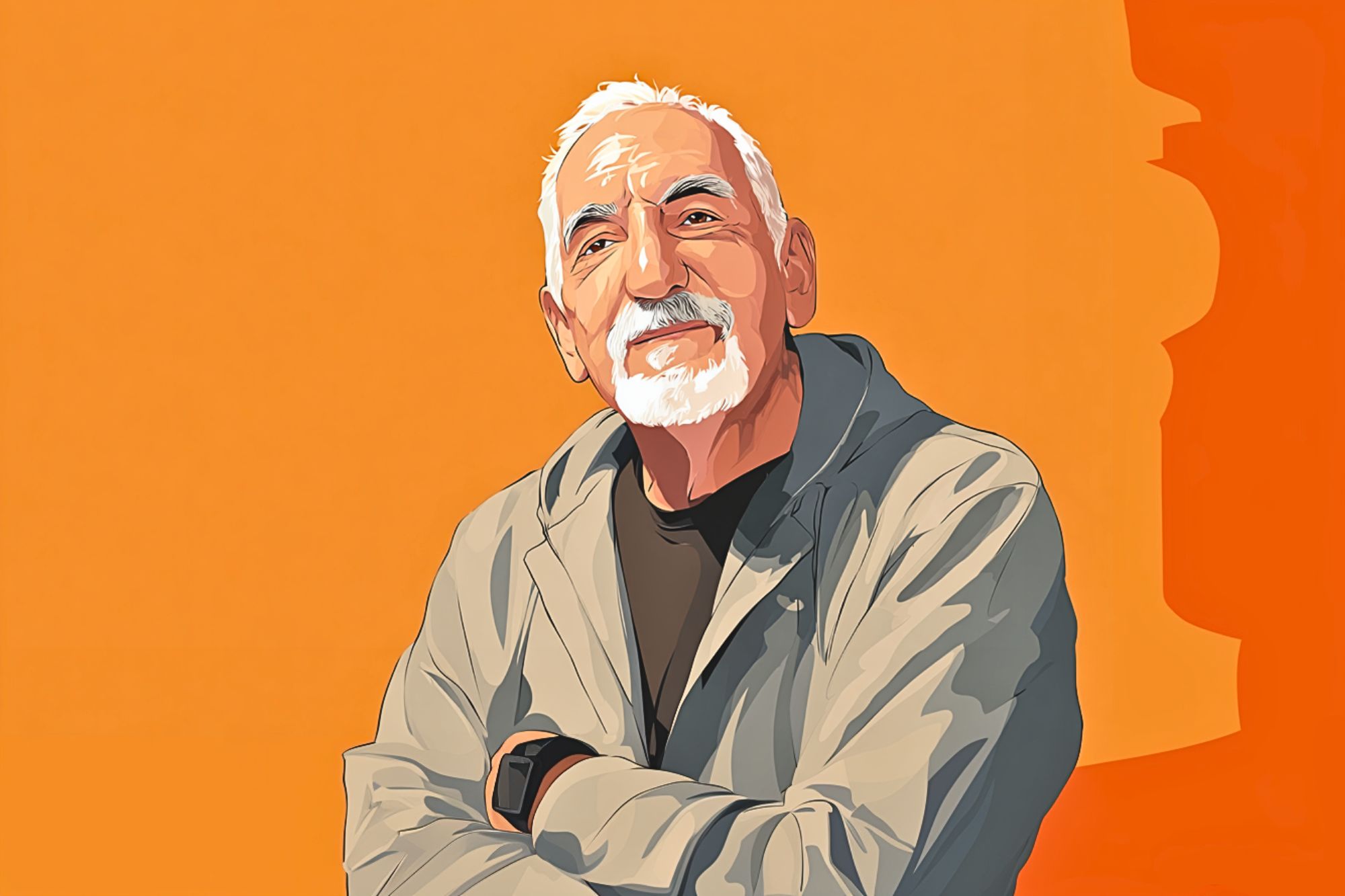
Aging is certainly an interesting experience. It seems like only yesterday that we were leaping around without creaking joints or eating whatever we liked without worrying about how it would affect us for the next few days.
Like all of life’s journeys, aging can cause a fair bit of both emotional and physical upheaval, but there are ways to alleviate its difficulty and navigate its challenges more easily. Below are some strategies that resilient seniors use that help them navigate and push through the challenges that aging can bring.
1. Focus on maintaining as much health and strength as possible.
Regular pursuits that maintain (or even increase) strength, flexibility, hydration, and nutrition are extremely high priority. We lose muscle mass at a rate of 3 to 5 percent every year after the age of 30, and losing strength is what inevitably leads to bad falls and mobility loss. Remaining as strong and healthy as possible can help extend people’s quality of life exponentially, for as long as they remain earthside.
My great-grandmother lived to 103, and I’m certain that her day-to-day priorities helped her to get to that venerable age in great health and strong spirits. She ate healthy, nourishing food, drank warming herbal teas, went for a walk every single day, and hauled heavy buckets of water and boxes of canned goods around on a regular basis. Furthermore, if she wasn’t knitting or crocheting, she was doing puzzles or quilting. She kept her body and mind active, and passed in her sleep, knitting project in hand. I’m trying to take a cue from her and have been putting the same actions into practice daily — so far, to good effect!
2. Seeing the funny side.
Few things can alleviate stress and other difficult emotions quite like a great sense of humor. Quite simply, being able to laugh about all the issues one is dealing with — from “senior moments” to life-altering health challenges — can take the sting out of them, and can put others at ease about them as well.
For example, someone who needs a mobility scooter to get around may “bling it up” with paint and decals to make it look like a Formula One race car. Similarly, being able to laugh about mishaps like loose dentures, hair loss (or growth, depending on where!), support garments, and the like can make the aging experience much more light-hearted, rather than dour.
3. Embracing new technology.
I’ve mentioned my friend Richard Flohil before, because he’s magnificent and deserves all the recognition he can get. He’s 91 years young and one of the most vibrant people I’ve ever known. In addition to going to see live music several times a week, he also engages on social media and has a huge following on Substack.
Rather than griping about all the new technology that keeps coming out, he embraces it with great enthusiasm and uses it to great advantage — keeping in touch with friends around the world, exploring new music, and so on. He’s living proof that age doesn’t have to prevent anyone from remaining up to date with new and changing tech. In fact, it can improve people’s lives exponentially.
Seniors who learn how to use new devices, apps, etc., aren’t just more resilient than their more Luddite-leaning counterparts: they tend to be much happier and more engaged with the world overall.
4. Accepting change with grace, and adapting accordingly.
People who regularly go swimming in rivers know that if the current picks up and takes them downstream, the worst thing they can do is try to fight against it. Instead, the best option is to swim diagonally towards the closest shore, using the current as propulsion to take them there. This is because if they fight against it, they’ll tire quickly and inhale tons of water. Meanwhile, if they work with the current, they’ll end up on the shore safe and sound.
This same approach applies to aging and its many challenges. Some try to fight it tooth and nail, refusing to “go gently”, and often end up damaging themselves in the process. I have a relative in his 70s who insisted on riding down a large hill in a wheelbarrow the way he did when he was in his teens and early twenties. It turns out that the healing process for broken bones takes significantly longer when one is a septuagenarian.
Of course, it’s important to retain a childlike sense of wonder at the world, but also recognize when it’s better to err on the side of caution and accept the aging process with grace.
5. Being present.
The older we get, the more we realize that tomorrow is never guaranteed. It never really is, but younger people don’t often feel the same weight that advanced years can bestow. Resilient seniors see every day as a gift, and try to remain as present as possible, enjoying the here and now, rather than getting maudlin over the past, or worrying about the future.
How they enjoy the present moment will depend on the individual. Some may dedicate time every day to relishing great cups of tea or delicious dinners. Others prefer to get out into nature, whether it’s wandering over to the park to feed their little squirrel friends or sitting on the patio, watching birds at the feeder, and enjoying whatever beauty the season has to offer.
6. Maintaining a strong sense of purpose.
Those who have a sense of purpose tend to thrive far better than those who have given up on life and resigned themselves to rotting on the couch until their final days. They have a reason to not just get up in the morning, but something to look forward to. This is especially true if they get to put skills they love into practice, especially for other people’s benefit.
Some devote themselves to volunteer work, while others take the opportunity to do the things they always wanted to do in their youth. My social media feeds are full of seniors who are finally getting art degrees, learning to cook different global cuisines — essentially prioritizing all the things they weren’t able to do when they were younger, for various reasons.
Others devote themselves to their grandchildren or grand-nieces and nephews, or teach classes ranging from language studies to woodworking or food preservation. Whatever brings them joy and fulfillment.
7. Having immense gratitude.
Amazing things happen when people focus on joy and gratitude rather than the things that they perceive are going wrong in their lives. At any given moment, there are countless things for any individual to be grateful for: clean water, warm socks, people who love them, pets they adore, and so on.
Many resilient seniors keep gratitude journals — whether handwritten ones or digital apps — in which they start and end each day by writing out the things they’re thankful for. When you start a practice like this, all the little daily irritations start slipping into the background in favor of the beauty, joy, and fulfillment that’s all around you. Some days may be more painful than others, or stressful because of family issues, healthcare appointments, and so on, but there’s always so much goodness to appreciate as well.
Final thoughts…
Getting older can certainly be challenging at times, and it’s easy to get down about the things that we used to do, but now struggle with. The ideal approach seems to be doing the best we can with what we have and adapting to various situations as they unfold. This seems to be the key to remaining active and vital well into old age, versus giving up and atrophying. Aging is a privilege that is denied to many, so let’s see every day we have as a gift, and push through life’s challenges instead of being defeated by them.