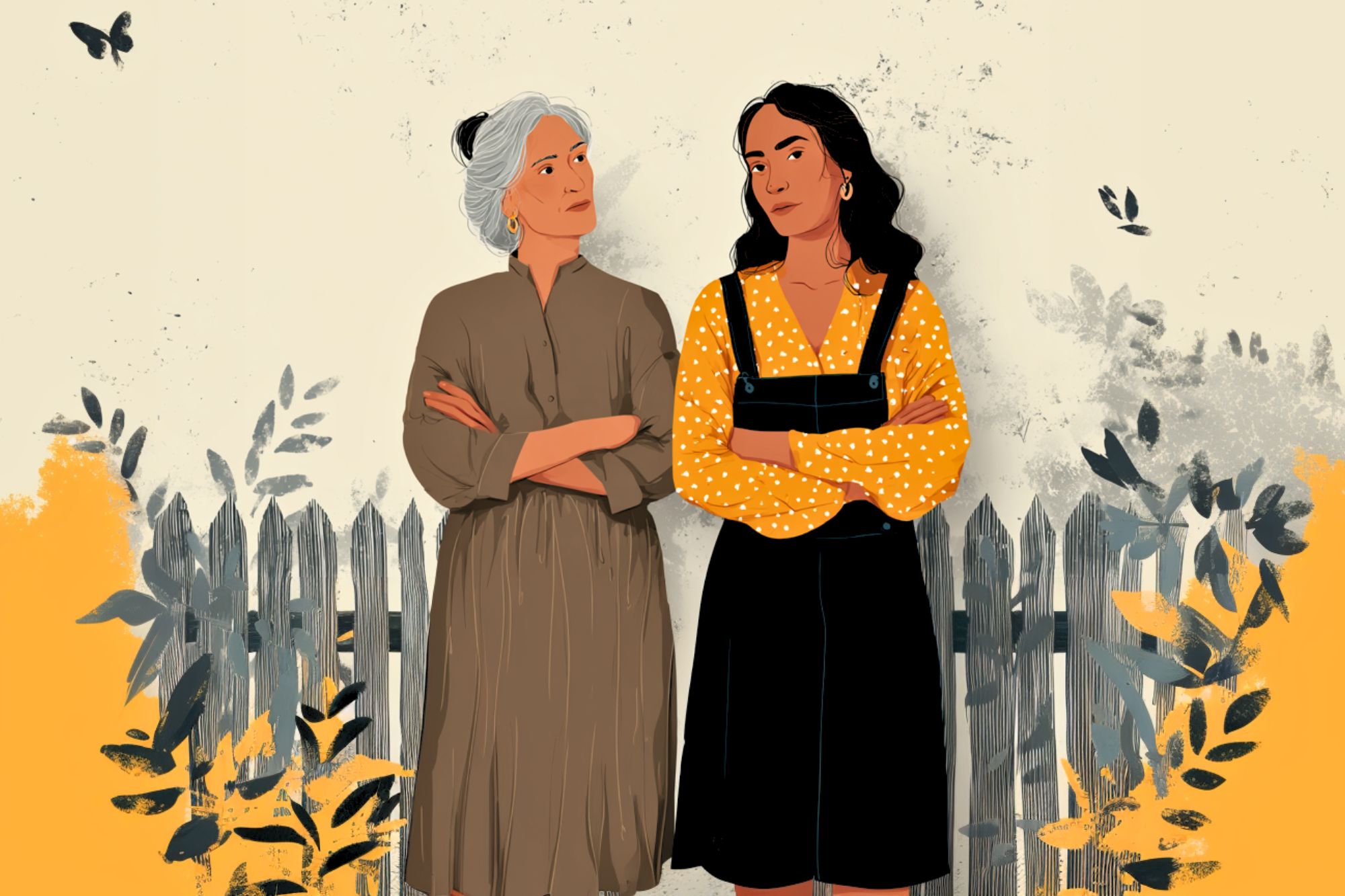
Most people can’t help but cringe and tense up when those they care about decide to do something stupid or irresponsible. It’s bad enough when it’s a friend or relative who’s about to screw up their life (in our opinion), but is even worse when it’s one of our grown children.
With peers or siblings, we can offer advice without being seen as preachy or controlling, but how do we deal with adult kids who seem poised to cause themselves a significant amount of heartache? Telling ourselves these things regularly can help:
1. These are adults with free will who need to learn things on their own.
This is one of the most important things to keep in mind if you think your adult kid is about to make a “bad” choice. It’s lovely that you want to protect them from potential harm, but it’s through making mistakes that we often learn the greatest lessons.
They may be oblivious to the freight train that you can see bearing down on them, or they may be fully aware of it and reassure you that they can handle whatever it brings. You need to step back and let them experience this ride, even if it hurts them (and you!) to do so. Be there for them if they need your strength and guidance later, but let them learn and grow on their own terms.
2. You can do everything right, and your kids may still mess up.
Many parents berate themselves when their kids make questionable life choices, feeling that they were somehow responsible for this clustercuss. If they had pushed Timmy to keep at his bassoon lessons as a child, or cut dairy out of Mathilda’s diet, maybe they wouldn’t have pursued this career or gotten engaged to that person, etc.
In reality, you could have been the best parent in the history of our species, and your kids will still mess up. They may throw caution to the wind in favor of thrill seeking, or they may err on the side of extreme safety while you’re encouraging them to take risks. That’s the thing about free will: it gives people the freedom to screw up horrifically as well as succeed.
3. It’s possible that your perspective about what’s “right” or “wrong” doesn’t reflect their life path.
I grew up in a family that has a long military history. Nearly all of my male forebears have served in the army, navy, or similar, and it was expected that I would follow the same path. When it turned out that I had zero interest in following in their footsteps, I was berated for turning my back on family tradition and punished for my defiance. This did not do great things for our relationship dynamic.
Quite often, when someone has lived a rigid life defined by their parents’ ironclad guidance, they find it hard to accept when their own kids are approaching something in a manner that’s different and alien to them. This is why it’s important to remember that there are many paths up the same mountain, and your perspective of what’s “right” may not, in fact, be right for them.
4. Their choices may well be the correct ones.
If your adult children are making choices that may seem stupid or uninformed to you, it’s possible that their intuition is telling them something different. In fact, by paying attention to their instincts rather than caving to pressure from others (including their own parents), they could be making the best decisions possible for their own lives.
As much life experience as you have, you haven’t lived their lives or had their experiences. You haven’t been in their relationships, worked at their jobs, or felt the knot in their stomach when considering the path you think is “right” for them. They have insights about their own situation that you simply can’t access from the outside—and sometimes what looks like a disaster from your perspective is actually them paying attention to something real that they can’t quite articulate.
Your map of how the world works was drawn from your experiences, in your era, with your opportunities and obstacles. Their world may look similar on the surface, but the terrain has shifted in ways that aren’t always visible to those who aren’t walking it daily. What seems like an obvious mistake to you might actually be them navigating around pitfalls that didn’t exist in your time, or seizing opportunities that weren’t available when you were their age.
5. They are doing what they genuinely believe in.
Your grown children’s life decisions may not make sense to you, but they don’t have to. Every generation shakes its head at the actions and opinions of those who follow them, especially if their children’s views and beliefs vary greatly from their own.
You may think that your adult kid is making a stupid decision by volunteering with Sea Shepherd instead of marrying that nice lawyer with the big house and the vacation property in Mallorca, or choosing a career as a musician instead of an accountant, but as Kahlil Gibran said about children: “You may house their bodies but not their souls”.
This is their life to live. If they truly believe in this path, then support them on it rather than quashing their dreams to align with your preferences or values.
6. The more you oppose them, the more likely it is that they’ll dig in.
There may be situations where the choices they’re about to make will undoubtedly cause them harm. In cases like these, it’s likely that the more you try to talk them out of it or offer advice that’ll improve their situation, the more firmly they’ll adhere to this questionable choice of direction. Furthermore, they won’t just dig in and insist that what they’re doing is right, but they’ll get incredibly mad at you for suggesting that they may be wrong.
After a friend of mine split up with his wife, the guy’s granddad said to him that he always felt like something wasn’t right about her, and never liked it when she came around for the holidays. My friend got upset and asked him why he had never said anything to him, as that might have spared him years of misery. His granddad merely raised an eyebrow, kept filling his pipe, and asked: “Would you have listened to me?”
7. It’s not your job to dictate or fix their life.
When your children were little, you were the one responsible for ensuring that they didn’t shove lima beans up their noses or stick sharp metal implements into wall sockets. Once they reached adulthood, however, that responsibility became their own. You may still see your grown children as kids, but they aren’t. Not anymore.
It’s fine to offer support from a distance if they come to you for advice, but if they don’t, then it’s not up to you to decide what’s best for them, or to fix what’s wrong. They’ll need to sort out solutions to their own problems and learn to live with the consequences of their own actions. This won’t be easy, but it’s necessary. You won’t be around forever, and they need to learn how to govern their own lives without you stepping in to rescue them.
8. They will resent you whether you’re right or wrong.
This is something that you need to remember: no matter what you do, they’ll be upset with you for it.
- If you’re right about them making a bad choice, they’ll resent you for ruining the fairytale ending they envisioned.
- And if you’re wrong about the decision you’ve talked them out of making, they’ll resent you forever for keeping them from their dreams.
- If their poor choice plays out exactly as you forewarned, they’ll resent you for not trying harder to talk them out of it.
- And if you’re wrong and their decision helps them lead a charmed, blessed life, they’ll resent you for not believing in them or supporting them enough.
Since you’re likely going to be wrong in their eyes even if you were technically right, the best thing you can do is remain completely neutral. Then, you can either help them out if things go south or celebrate with them if they turn out better than you expected, without any resentment getting in the way of your relationship.
Final thoughts…
The bottom line is that your kids are going to make mistakes. It’s inevitable, and part of the human experience. We’ve all screwed up, but it’s by doing so that we learn how to deal with (and overcome) difficulty.
It may hurt your heart to see your adult children stressed, depressed, or messed up, but it’s a necessary part of their development. As difficult as our own life lessons have been, we wouldn’t be the people we are today without those experiences. In that vein, even the bad choices were great gifts in their own way.