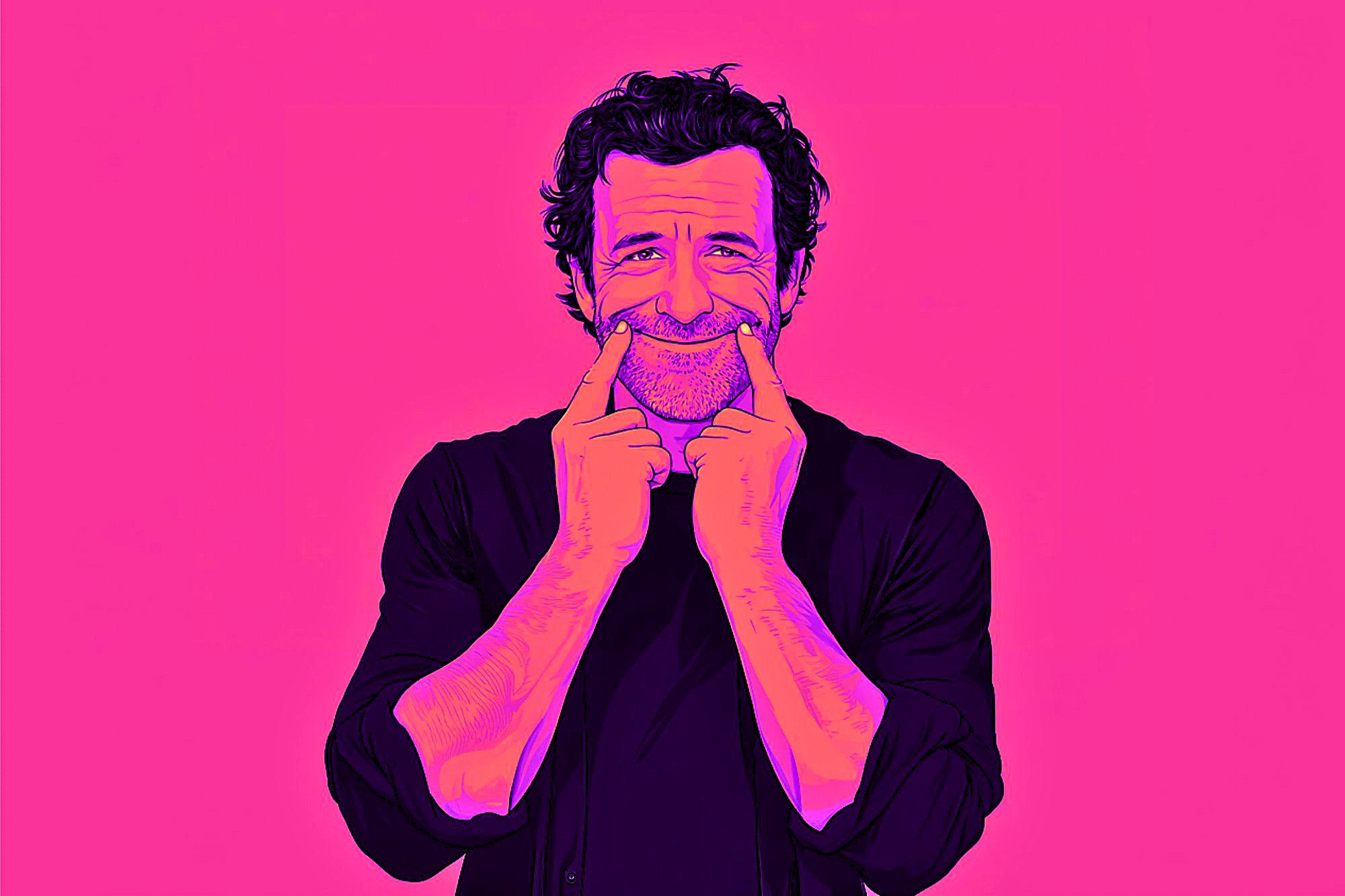
Oh, emotions! Aren’t they so much fun? Particularly the “negative” ones that we normally don’t want to feel, the ones we try to avoid with all kinds of shenanigans. The problem is that negative emotions aren’t actually unhealthy in themselves. In fact, they are often an indicator. They are your brain signaling to you that something is wrong and that you need to address it.
That’s so hard to do if you haven’t learned to be comfortable with your feelings. Which is the case for most of us. Instead, we run from them, try to avoid them, and hope they don’t find us. But negative feelings are nothing to be afraid of, and the following 8 emotions are no exception to that. They can teach you these important lessons if you’re willing to listen.
1. Regret.
Regret is a sharp reminder of something you once had, an opportunity you didn’t take, or a serious mistake you made. But when you avoid sitting with the regret you feel, it keeps you from processing the event and emotions surrounding it. It keeps you on a treadmill that can be unending so long as you keep running.
But surely regret is a bad thing? Well, of course, a life without regrets would be great, but it’s just not reality. We’re always going to make mistakes or make choices we wish we hadn’t. That’s just life. So what is that regret trying to tell us? Is it a punishment for bad choices? No. It’s just your brain telling you that you could have made better decisions. It wants you to look at your actions surrounding the regretful choice so you can ensure it doesn’t happen again.
The easiest way to process regret and move on is to change the behavior that caused the pain.
2. Disappointment.
Disappointment shows up when we don’t live up to the standard we set for ourselves, or when someone doesn’t live up to our expectations. A situation may not work out, and things just don’t go as expected. Unfortunately, that’s just the way the cookie crumbles in life. Sometimes even the best laid plans can come crashing down.
It’s okay to be disappointed. That is a signal to reevaluate your expectations or the circumstances surrounding them. You may have high hopes for someone, but they keep letting you down when it matters. That’s unfortunate, but that’s what disappointment is about. It’s your brain telling you that this person or situation is not as reliable as you thought or hoped. It’s a signal that it may be wise either to tone down your expectations, if they are unrealistic, or find a person or situation who can meet them if they aren’t.
3. Anger.
I have an intimate relationship with anger. My undiagnosed and untreated bipolar disorder caused my brain to simmer like a saucepan on a stove for years, in between bouts of depression. I had so much anger all the time for no real reason other than undiagnosed mental illness. After I was diagnosed and I started working on it, I became averse to anger because I just didn’t want to feel that way anymore. But that’s also the wrong approach.
Anger, in a healthy brain, is telling you that something is wrong and it needs to be addressed. It’s not something to be avoided, and it won’t end well if you do. It’s an urgent prompt to take action, like “Hurry up!” would be if you were lagging behind. Anger is your brain’s way of signaling that it wants you to handle the problem sooner, rather than later, so that it can go back to relaxing. Granted, that’s not always an easy thing. Righteous anger is abundant with everything going on in the world. But that’s your brain telling you that you need to do something about it.
4. Shame.
Verywell Mind shares that shame is an uncomfortable feeling that is giving you an important message: your actions are out of alignment with your values. If you feel shame, there’s a good chance that you did something that you believe to be wrong. By keeping what you do in alignment with what you believe, you can avoid shame altogether. Of course, that’s easier said than done. No one is perfect. But still, we should try.
That kind of shame is not to be confused with other people trying to socially shame you. Naturally, you might get defensive when other people shame you. How dare they be judgmental!? And oftentimes those people aren’t shaming you for something you’ve actually done wrong but for something that goes against their beliefs or views, not yours. But I regret to inform you that sometimes, it’s worthwhile considering where they are coming from before you dismiss them.
For example, I remember one time I was socially shamed for yelling at a dude on the street during an angry outburst. Of course, I got nasty and defensive about it. But if I’d had any sort of self-awareness and had stopped to examine the situation, maybe I would have realized how out of control my anger was. But I’m kind of stubborn, especially when I’m angry, so I was just not capable of it at the time.
5. Jealousy.
We’ve all been told how ugly an emotion jealousy is. It feels petty, almost embarrassing, to be jealous of another person, especially if you sincerely just want to be happy for them.
Jealousy is most problematic when it creeps in under the radar, because you just find yourself thinking, “Well, why do they deserve that?” when “deserve” is rarely an appropriate word. After all, not everything in life is earned.
Still, jealousy can be a convenient signpost on your journey of life. Consider why you’re jealous, and look for what it is you want out of life that you feel like you’re missing. It may not be that you want the specific thing that they do. For example, I used to be extremely jealous of successful people, not because I cared about money, but because I craved stability and peace.
I looked at people who had a stable life, a career, a long-term relationship, and envied them because they had stability enough to maintain those things. Now, you may be thinking, “You don’t know if they were unstable or not!” No, but what I do know is that I’ve been unstable enough to not be able to maintain employment, relationships, or even a place to live at times in my life. So yeah, I was jealous.
The key is to ask yourself what that jealousy is trying to tell you about what’s missing in your own life. Sometimes, like in my case, it’s pointing to a real need—I genuinely lacked stability. But other times, jealousy is just our brains falling into the comparison trap, focusing on what we don’t have rather than what we do. The trick is figuring out which one it is, so you can either take action to fill that gap or work towards shifting our mindset.
6. Loneliness.
Many people confuse loneliness with being alone. To be alone can be a great blessing because it gives you time to reflect, work on yourself, and pursue goals that are meaningful to you. Not everything needs to be done with other people, particularly inner work. I know that after I was diagnosed with bipolar depression, I spent a good four years single just to work on myself. Spending time alone is not something that needs to be avoided.
Loneliness, on the other hand, is a signal that you crave meaningful connection. The keyword in that statement is “meaningful.” You can feel utterly alone in a room full of people. You can feel totally alone in a relationship with someone who isn’t right for you or who doesn’t pour into you as you do them. You can be alone in a marriage.
Loneliness is telling you that you need to find more people, but crucially, that you need to find the right people.
7. Fear.
The challenge with personal growth is that it is often on the other side of fear. Your brain wants you to be safe, so when you’re in an unpredictable situation, it gives you fear to tell you to avoid it. The problem is that your brain doesn’t know when it’s truly in danger versus just a perception of danger. For example, let’s say you’re scared about starting a new career.
Are there a lot of things that can go wrong? Sure. But are there a lot of things that can go right? Absolutely. That career change may be just what you need to push yourself to the next level, so long as you can make the jump. Courage isn’t about not being afraid. Courage is acting in spite of your fear. Courage is what drives you to success.
8. Grief.
Grief hangs heavy when devastation occurs. It’s not a good feeling. In fact, it’s not just a single feeling at all. It’s a number of different feelings that tend to crop up at inopportune times, utterly derailing what you might have had planned. People avoid it because it feels so ugly, so painful, and so difficult to move through. Plus, healing from grief is slow.
But grief is an expression of love for what you lost. It’s an expression of love for lost hopes or unrealized dreams, for people who are no longer here, for relationships that had to end sooner or later. There are so many things you might grieve, and you can’t avoid that. Grief informs you of the things you love and value. It’s the price we pay for the privilege of loving.
Final thoughts…
Negative emotions are nothing to fear. Yes, they’re hard and painful. Yes, no one really wants to feel negatively. That’s why toxic positivity is a thing. So many people convince themselves they can avoid their pain, and they will, for a while. But sooner or later, it circles back around to remind you that you still feel those things.
So pause to sit with your negative emotions. Let yourself feel what you need to feel. Take what lessons you can and use them to make different or better decisions in life when relevant.