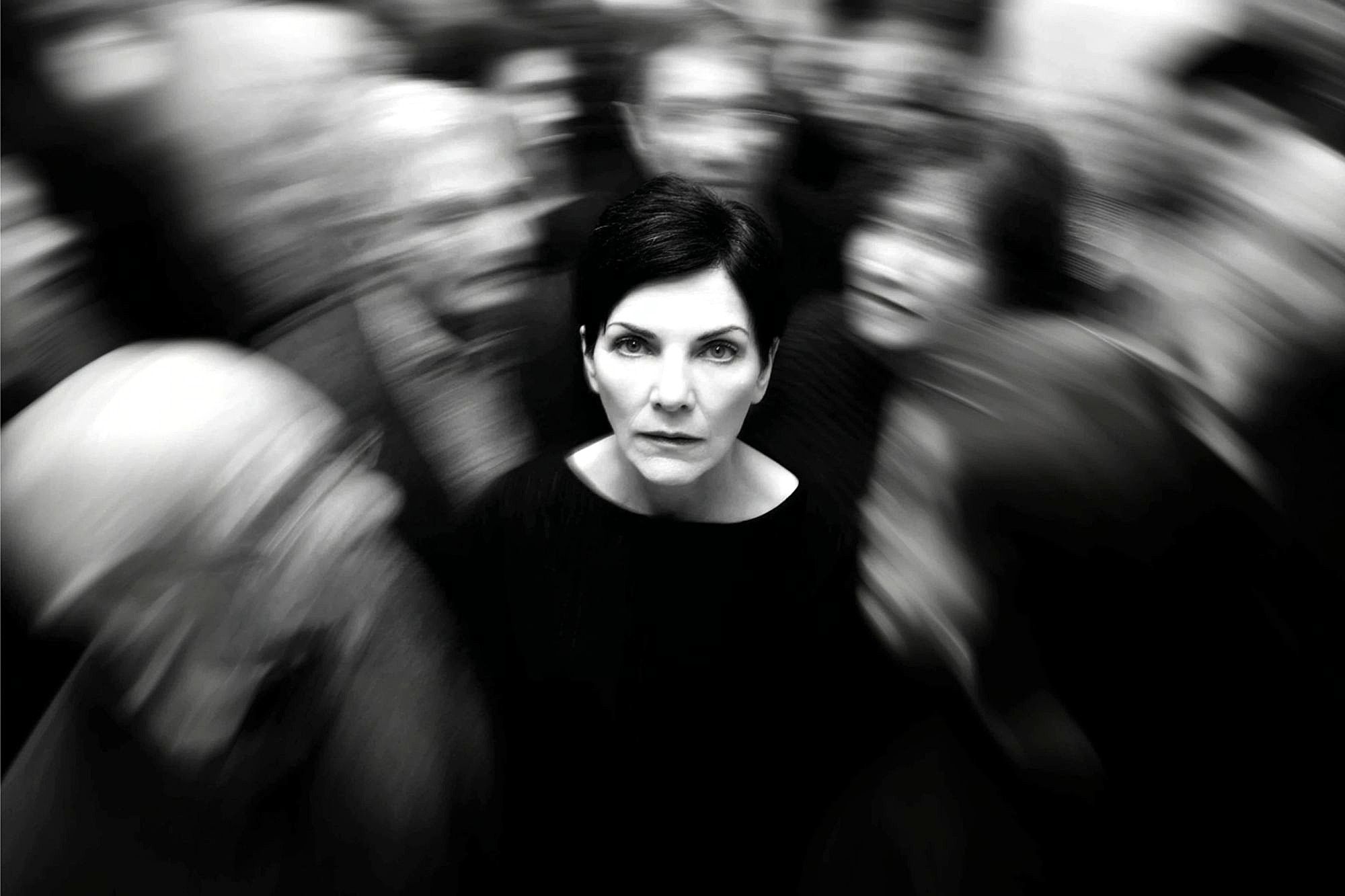
Many of us have found ourselves pausing mid-task because we’ve been struck by epiphanies that we needed to process. One of the most profound ones that we can have is the realization that we’ve been misinterpreting an experience for years, and that the reality is significantly less delightful than we’d originally thought.
A perfect example of this is when you realize that you’ve mistaken being needed for being happy for the better part of your life. It’s possible that the signs listed below were always present, but it’s only now that they’re coalescing into a picture you can see clearly for the first time.
1. You can’t seem to experience joy without centering someone else.
Helping others triggers a dopamine hit, which is why so many people experience joy in doing kind things for others. It makes them feel like they’re doing good things and being valued and appreciated, which is particularly rewarding for chronic people pleasers whose self-worth hangs on other people’s opinions of them.
As such, they go above and beyond for their family members throughout their lives, and center their decisions around whatever makes others happy.
If this describes you, you may find that you don’t experience the dopamine spikes associated with happiness unless you’re doing something for someone else. If you make yourself the center of anything, you might feel guilty or be unable to enjoy yourself properly.
It’s only when you’re feeling needed and getting appreciation from others for kind deeds that you experience the happiness you seek.
2. You’re not sure what to do (or who you are) when you don’t have people depending upon you.
Though the dopamine hits you get from helping certainly feel good, they are a far cry from being authentically happy. And that never becomes clearer than when one is no longer constantly giving to others.
Maybe your kids have moved out of the house, your spouse is away (or out of the picture), or your elder parents are no longer around, so you’re suddenly deprived of external sources of dopamine happiness.
Without people to serve, you may come to the realization that you don’t even know what makes you happy independent of others, because, quite frankly, you’ve never experienced joy on your own terms before. In fact, you may not even know what would make you happy, or who you are outside of being needed. Without others to help, you feel like you don’t even have an identity anymore.
3. You’re realizing that your sense of self-worth is dependent upon your usefulness.
At work, you might have been described as “indispensable”, “irreplaceable”, and so on. Other people depended upon you, and you went above and beyond to anticipate their needs so they’d continue to be impressed by your capability.
But if you aren’t working anymore (or you’re working part-time/are semi-retired), you may feel an intense dip in your overall happiness and fulfillment levels because you’re no longer feeling as useful as you’ve always been perceived to be.
As a result, you may do things like take up volunteer work so you can still feel that joy of being needed and helpful, even if it drains you to do so. You may be exhausted — even resentful — about the fact that you pour so much of your time and energy into other people’s happiness and wellbeing, and you’re finally realizing just how damaging that has been to you over time.
4. You recognize that some people in your life consider you replaceable as soon as you’re no longer useful.
It’s a horrible thing to realize that the people you’ve been pouring love into and taking care of for decades view you as more of a tool (or a piece of furniture) than a cherished, respected human being.
This often becomes obvious when and if you suffer a serious illness or injury. As soon as you’re no longer doing the cooking, housework, chauffeuring, etc., then your partner behaves like you’re a burden rather than a loved one.
I experienced something like this with a previous partner. I’d been the primary breadwinner for the entirety of our relationship while he finished his degree and then pursued creative pursuits.
When I fell ill and had to take a break from work, his loving behavior towards me turned to sullen resentment about all the things he now had to take care of… which consisted of 1/3 of what I usually did on a daily basis. He got more distant and started flirting with other women online, and our relationship deteriorated from there.
5. Those in your close circle never discuss your needs or interests.
When you socialize with those closest to you, conversations generally revolve around how you can either help with a project, do a favor, or otherwise shoulder a burden. The words “we need you to…” are the ones that most often pass their lips, and you realize that it’s always been that way.
Your needs, wants, and interests are never on the table, and you start to feel immense regret about how much time you’ve wasted on those who seem to only take from you. They might have expressed real appreciation for your deeds, of course, but that’s a far cry from truly being treasured by real friends. They might not even know when your birthday is, let alone do anything to celebrate it when it rolls around.
6. You’ve re-created the dynamics of your formative past.
This sort of thing often happens with parentified eldest siblings. If you were raised in the type of family dynamic where you were needed to help take care of your younger siblings (and household chores) from an early age, you might have learned to equate being needed with feelings of pride and achievement.
Many people re-create this dynamic in adulthood and find themselves in positions where they’re essentially “parenting” their spouse or partner as well as their children, if they have any.
If this rings true for you, then you might never have learned any other form of happiness or personal satisfaction outside of being needed. It’s a difficult awakening when those people no longer need you, and you have no idea what fulfills you anymore.
7. All of your hobbies and interests revolve around service to others.
Doing things for others is wonderful, but we need to ebb as well as flow. Unfortunately, many of us were programmed in our youth to believe that pursuing hobbies simply because they bring us joy is selfish and self-indulgent; that if we’re going to do things like crafts, then we should make them as gifts for other people (or as charitable donations) rather than solely to amuse ourselves.
You might have put a lot of energy into creating things to donate or auction off over the years, and have little if anything to show for it. How many items have you made for others vs. keeping them for yourself? And how many times have you felt obligated to give something beautiful away, only to regret doing so later?
8. The realization that you rarely had what you actually wanted for the special occasions in your entire life.
I’ve known far too many people whose personal desires and joys were perpetually set aside in favor of other people’s preferences for their entire lives. One hadn’t had carrot cake for her birthday since childhood because her family members prefer chocolate. Another had to pretend that she liked the pink roses her partner got her for their anniversary every year because he gets belligerent and defensive if he feels criticized or unappreciated in any way.
These people’s happiness always seems to take a backseat to others’, right down to expecting them to prepare their own birthday cakes, in flavors they don’t actually like.
Final thoughts…
Mistaking being needed for being happy is something that many people end up regretting in retrospect. This is especially true if they came to the epiphany but had no way to extricate themselves from that dynamic. After all, it’s easier said than done to simply pick up and walk away from a situation they’ve been in for decades.
As such, if you’ve come to a similar conclusion and are in similar circumstances, try making small changes instead of massive upheaval. It’s never too late to establish boundaries and make sincere happiness a priority.