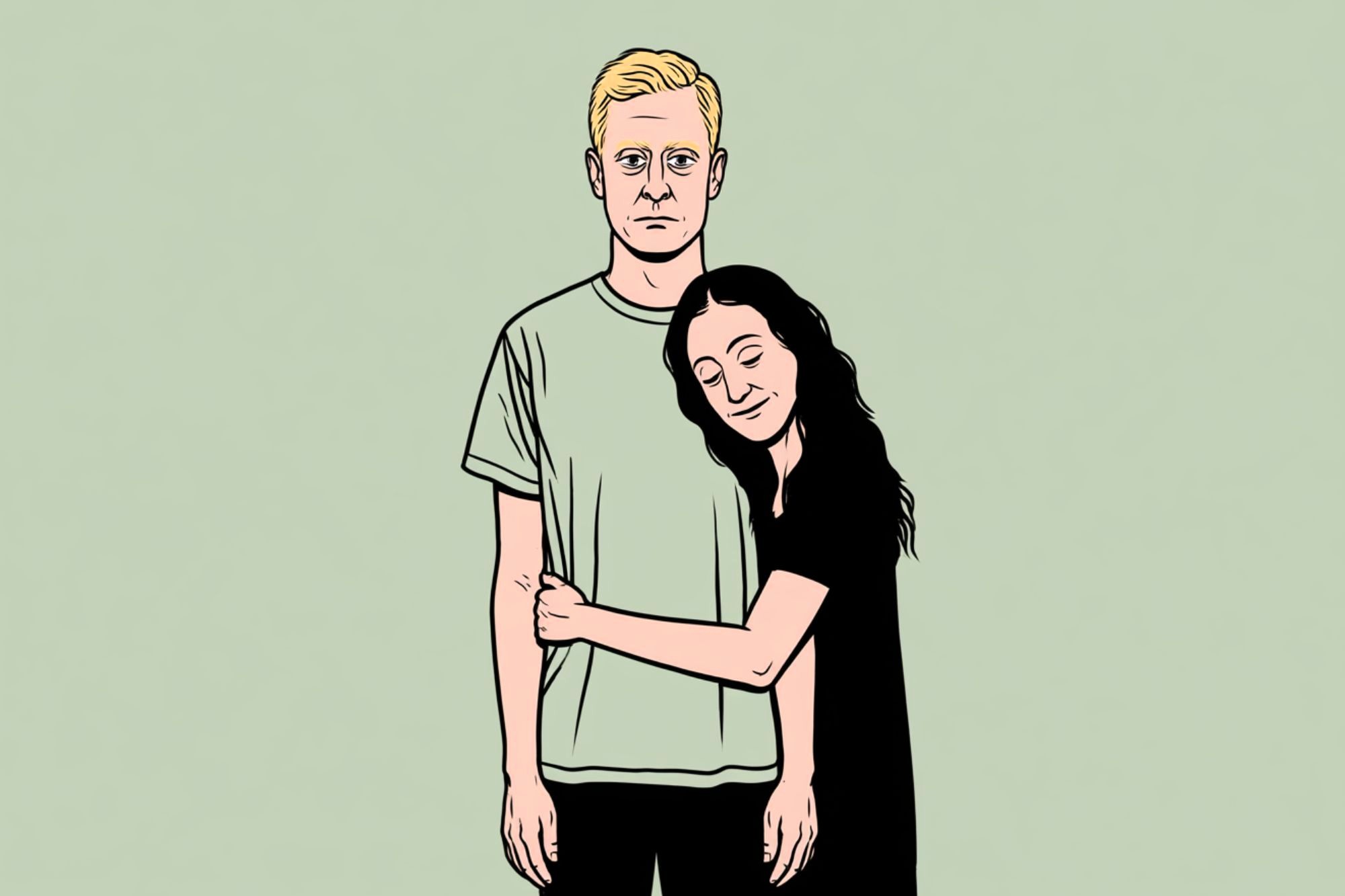
In a healthy, interdependent relationship, both partners give and take in pretty much equal measure.
This is the polar opposite situation to a codependent relationship, in which one partner revolves their life around the other’s needs, wants, and emotions, often to their own detriment.
Their behavior often stems from an extreme desire to feel needed — even indispensable — to their one and only.
If they don’t feel sufficiently needed by the one they’ve fixated upon, they may do some of the following things in order to get back to a dynamic they’re more comfortable with.
7 things codependent people unknowingly do to feel needed:
1. Unconsciously letting problems snowball so they can swoop in and save the day.
Imagine finding out about your child’s project the night before it’s due. Your spouse wrote it on the calendar, but you never check that.
But that’s okay: they’re happy to leap into action and take care of everything so you don’t need to worry about it.
In fact, they’ll stay up all night sewing that costume or baking 60 themed cupcakes for the party, sacrificing their own sleep and well-being in order to save the day.
Sure, they’re exhausted, and they’ll express how frustrated they are that they “always have to take care of everything,” but deep down they like to be the hero.
They could have avoided the situation by discussing the calendar and enforcing some boundaries, but instead they continue to absorb other people’s responsibilities, which allows them to swoop in and save the day.
Now they’ll get to bask in the appreciation lavished upon them, and the reassurance that only they were capable of making sure everything came together properly at the 11th hour.
That’s what a codependent person does to feel needed, even when it costs them.
2. Taking ownership of someone else’s care.
Even if the other person is wholly capable of taking care of themselves, the codependent individual will keep taking little steps towards managing their care.
Whether it’s making appointments for them or doling out medication, they gradually take over the other individual’s responsibilities.
For example, one of my friends has a husband who has diabetes, an autoimmune condition, and several other health issues.
While he’s fully capable of handling them solo, she goes above and beyond to prepare special foods for his strict diet, doesn’t allow him to cook for himself, and essentially “mothers” him so he doesn’t have any obligations.
While this behavior can be construed as immensely helpful and kind, it’s also controlling.
Sure, people who do this sort of thing end up feeling validated and needed; but it can also be seen as smothering and infantilizing to the one who’s being coddled.
If they never have a chance to do things themselves, it’ll erode their confidence and their overall sense of capability as an autonomous adult.
3. Reducing “their person’s” social circle.
Co-dependent people often see others as threats to the relationship who may try to take the object of their affection away from them.
As such, they may subtly discourage their beloved from spending time with anyone else who could take their attention away from the relationship.
They might sigh when plans are made, act hurt when their person goes out, or create emotional tension around social events.
They monopolize their partner’s time without even realizing they’re doing it, filling every evening or weekend with shared plans so there’s simply no space left for anyone else.
If confronted about this behavior, they may get defensive or deeply hurt because they believe they only had their person’s best interests in mind.
They may protest this with complete sincerity, fully believing their own delusion.
To them, they were acting in good faith, even though the underlying driver is fear that they might not be so needed if their partner finds other people to provide them with love and support.
4. Fixing things for people.
Codependent people often take it upon themselves to fix things for others in an attempt to make their lives better.
For example, they may step in and defend this person when they’re being bullied by a peer, or they’ll reach out and contact the workplace this individual is applying to and offer a great reference for them.
Every time they perform an action like this, they’re making themselves invaluable in this individual’s life.
Even in situations where this person has gotten into difficulty due to their own questionable actions and decisions, they’ll step in to offer help. It may not be needed or asked for, but they’ll do it anyway.
They don’t realize that they’re actually disempowering the other person by fighting their battles for them: they just want to help, and to feel needed. Those are the only things they can focus on, not the long-term ramifications of their actions.
5. Unintentionally chipping away at the other person’s confidence.
Although codependent people may sincerely try to do good things for others, the process by which they go about doing that can sometimes be incredibly erosive.
They might make frequent comments about how a loved one “can’t handle” something, or gently talk them out of taking risks, framing it as concern or protectiveness.
Let’s say a parent feels that their adult child is growing distant from them. Driven by fear of no longer being needed, they may unintentionally create self-doubt in their child about their capability in terms of pursuing a job they wanted, or whether their new relationship is a good fit.
This can make their child insecure and despondent, thereby keeping them home and dependent upon said parent for comfort, reassurance, and even financial support.
The parent may genuinely believe they’re acting in their child’s best interests, and may even complain to their social circle that their kid hasn’t flown the nest yet, but in reality they’re delighted to be needed by them, and desperate to maintain the parameters of this relationship however they can.
6. Unconsciously sabotaging their attempts to improve their life.
A person who has built their life around caring for an individual they love and depend upon for emotional closeness can feel terrified about being abandoned if and when this person no longer depends on them the same way.
As a result, they may unconsciously sabotage their attempts to better their life so they can keep being needed.
A perfect example of this can be a person who overfeeds a partner who’s trying to lose weight, or “forgets” to pass along a message about a job opportunity
After all, if they get strong and healthy again or get that well-paying job, the codependent person may no longer be needed in their life as much.
They may not even realize consciously that they’re doing it, and would protest vehemently if accused, because on the surface they genuinely want their loved one to thrive.
But somewhere underneath, a part of them is protecting their own role in that person’s life.
7. “Simping.”
This is a relatively new term for a type of behavior that people have displayed for millennia. It involves going above and beyond for another’s benefit, without reciprocity.
The individual in question may shower the other person with gifts, money, favors, or attention, in the hopes of having their attentiveness recognized. They want to be needed and appreciated, and will spread themselves thin in an attempt to ingratiate themselves.
The individual who’s behaving this way may not realize that they’re making a fool of themselves, or that their actions are annoying rather than appreciated.
All they can think about is that they care deeply about the person whom they’re targeting with love and affection, and they desperately want to be needed by them in turn.
Final thoughts…
It’s important to note that codependent people don’t just feel that others are incapable of taking care of themselves — they also firmly believe that they’re the only ones who can properly care for these individuals.
They feel that without their loving care, these people’s lives will fall apart and the only type of relationship they’re comfortable with is one in which they’re needed: they honestly don’t know how to have a well-balanced dynamic.
These individuals aren’t usually dangerous. They’re usually traumatized, and generally need a lot of therapy in order to cultivate healthy, reciprocal relationships with others.