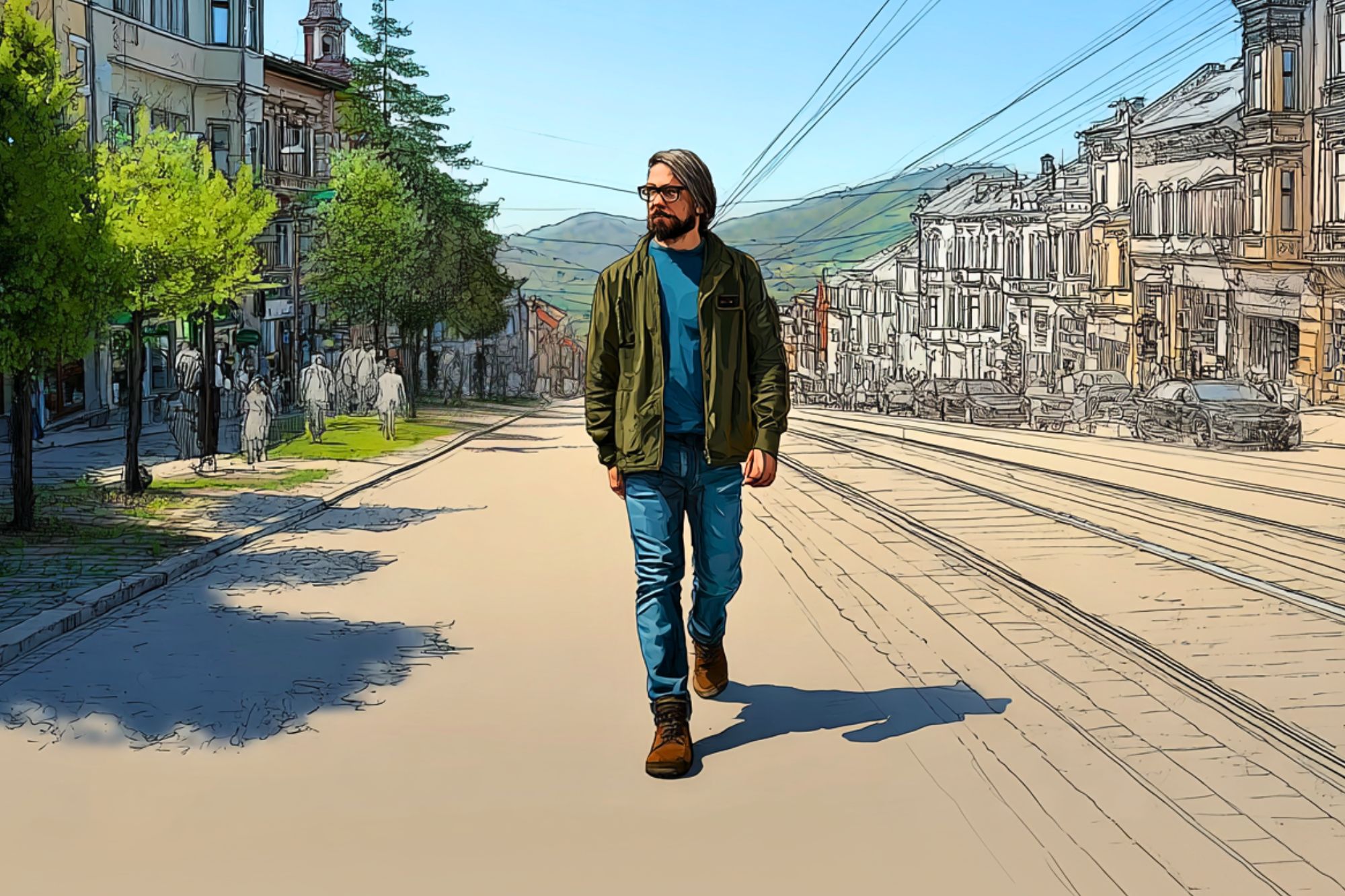
There’s often a negative social stigma associated with loners. Many assume that those who do things alone are doing so because nobody else wants to spend time with them; that there’s something inherently wrong with a person who’s by themselves all the time.
In reality, a lot of people prefer alone time to constant companionship, and take part in activities that most others would actively avoid at all costs. The pursuits listed below may be heavenly to the loner, but hellish to the average person who thrives with companionship.
1. Solo travel.
For a lot of people, the idea of travelling by themselves isn’t just a daunting prospect — it may be downright terrifying. For loners, however, there are few things as enjoyable as being able to explore a new place by themselves, on their own terms. And what’s more, Psychology Today advises that it actually has many benefits.
I love to travel solo, and some of my favorite life experiences thus far have involved exploring new places that I’ve visited. It’s immensely freeing to be able to explore on your own time without a partner or friend complaining that you’re taking too long, or insisting that you go and check out something you have no interest in. When I’ve travelled alone, I’ve been able to spend days exploring museums, reading on beaches, perusing shops, and chatting with locals, without anyone pestering me to go do what they’d like instead.
2. Eating alone at a restaurant.
If you ask the average person if they would ever eat alone at a restaurant, they’d likely be horrified. Not only would they feel uncomfortable eating a meal by themselves, but they’d worry about what the other people there would think about them. In their minds, to dine out alone means that nobody likes you enough to go to dinner with you, and that’s a fate worse than death for most of them, especially extroverts.
Meanwhile, many loners absolutely love eating at restaurants by themselves, probably because it provides a great chance for introspection and relaxation, according to Neuro Launch. They don’t have to argue with anyone about where to go for dinner, nor are they forced to carry on a conversation while trying to enjoy their meal. Furthermore, they don’t have to justify their food choices to a potentially judgmental dinner companion. They can simply bring a book or a puzzle game with them and enjoy their meal in peace.
3. Attending events on their own.
Most people like to attend concerts or special events with their friends or partners. They generally do this so they feel safe and comfortable by having people they know around them, and they have reliable companions to talk to throughout the event. In contrast, loners often enjoy attending events on their own: that way, they can take in what’s going on without their companions demanding their attention, and can either stay or leave on their own terms.
Furthermore, many loners like to go solo because it gives them the opportunity to meet new people. While some loners may be quite introverted or suffer from social anxiety, others are perfectly comfortable chatting with strangers. In fact, that’s how many great friendships and relationships strike up! If these people hadn’t attended events on their own, they might have missed out on some truly wonderful connections and adventures.
4. Wandering without an itinerary.
For many loners, wandering around without a specific goal in mind is a spectacular way to spend a few hours (or even a few days). They might load up on snacks and water, pick a direction, and start walking, or hop onto a bus or train and see where it takes them. By doing so, they have the opportunity to see all kinds of hidden gems that they might have missed by being fixated on a particular destination: everything from little architectural details to tiny parks, public art, and other treasures.
Most people balk at the prospect of doing anything like this, and instead aim to get to their intended locale as quickly and efficiently as possible. Anything that detracts from this is considered a waste of time.
5. Intense meditation and self-reflection.
Many people actively avoid examining their own thoughts, beliefs, and behaviors, because there are aspects of themselves that they aren’t particularly comfortable with. As such, they avoid doing so by spending a lot of time with other people, dealing with drama, and entertaining themselves with a wide variety of pursuits.
Meanwhile, loners are often deeply introspective and spend a lot of time figuring themselves out. They journal, do guided meditations, pick apart their stances in order to understand their own motivations (or biases), and end up developing an astonishing amount of self-awareness as a result.
6. Volunteer work.
Loners rarely experience loneliness, but that doesn’t mean that they eschew all connections with other living beings. In fact, many of them devote a fair bit of time to helping others by volunteering. Some might help shelter animals, while others might put their skills to use with Habitat for Humanity or community garden projects, etc.
Most people avoid doing volunteer work unless they’re ordered to do so, or feel like they need to earn some spiritual brownie points. They prefer to only do work that they’re being financially compensated for, and like to keep their personal time for themselves. Loners get so much personal time that they often like to put good energy back into the world in ways that resonate with them the most.
7. Living alone.
For many people, living alone is a recipe for depression and disaster. They feel socially isolated and sad if they don’t have others in their living space to interact with on a daily basis. Others may have difficulty sleeping or relaxing because they feel unsafe by themselves.
It’s a completely different situation for loners who thrive most when living alone. They can set up their living space exactly the way they like, eat and sleep on their own schedule, and have uninterrupted alone time to immerse in their personal pursuits. For them, living with others means constantly being intruded upon and disrupted, and they nearly always prefer their own space over a shared one.
8. “Missing out.”
FOMO — fear of missing out — is something that plagues the majority of people. They’re often devastated if they aren’t invited to a social gathering, and feel excluded and depressed if they see photos of people they know having a great time at one event or another. Many will even sacrifice their own wellbeing and attend special events when they’re ill or injured so they won’t miss out on the fun, or be thought of poorly by those who were in attendance.
Loners have no problem being left out of plans because they don’t feel that they’re missing out on anything. Most of them dislike large crowds and may get overstimulated by too much visual or auditory input. They get exhausted by being performative at large family gatherings (especially if they’re asked too many personal questions by distant relatives), and would prefer to do their own thing whenever possible.
9. Silence.
A startling number of people find silence and solitude unsettling. They’re so used to the constant buzz and hum of conversations and background noise around them that when confronted with silence, they get extremely uncomfortable and seek to alleviate their discomfort as quickly as possible. Some will drum their fingers, others will hum, whistle, or speak to themselves — anything to avoid the discomfort of the quiet around them.
In contrast, many loners find silence to be incredibly calming, which is one of many benefits, according to mental health experts. They don’t feel the need to constantly have music or TV shows playing in the background, nor do they want to spend hours talking to friends on the phone. They find immense peace in the very quiet and stillness that unnerves most other people.
Final thoughts…
Those who dislike doing things by themselves often suffer from anxiety or low self-esteem. They feel more secure and comfortable when they have companions with them, and get validation from those they love and trust.
In contrast, those who are comfortable doing things on their own are often quite self-confident and approach new experiences with curiosity rather than fear. If you feel that you’d like to do more things alone, but you’re afraid to do so, start small. Each successful solo outing will boost your confidence and help you feel much more secure in your solitude.