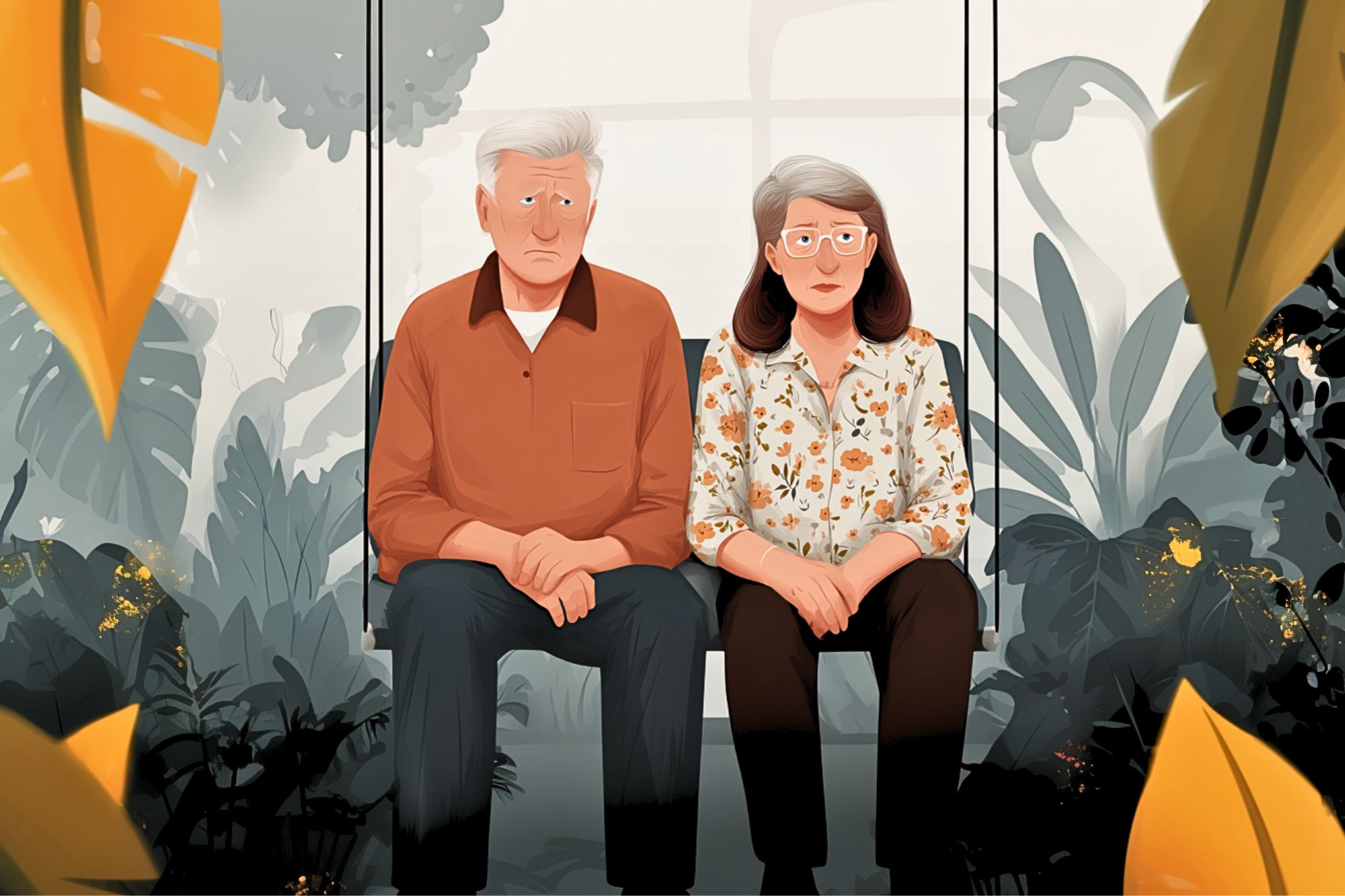
Relationships all wax and wane cyclically over the years. Sometimes couples will feel very close together, while at other times they may feel more distant from one another. It’s a very different story, however, if things seem to wane more and more over time.
Some couples discover that they’ve withdrawn from one another quite intensely, and don’t really know how they got there. The following habits are those that happen frequently, and can be curbed if partners don’t want too much distance to grow between them.
1. Eating separately rather than together.
One of the first things that a new couple does together is share meals. They go out for dinner, meet up for brunch, have picnics in bed, and enjoy long conversations together while snacking on tasty deliciousness. Breaking bread together in this manner strengthens relationships and keeps people close, and is a ritual that’s acknowledged and shared worldwide.
On the flip side, couples who are withdrawing from one another may start to eat separately instead of sharing meals. They may not even eat the same things, let alone sit at the table together: each one will prepare what they like, on their own schedule, and then retreat to their own space to eat it alone. I’ve experienced this firsthand with former partners: as soon as we stopped sharing meals regularly, breakups were inevitable within the foreseeable future.
2. No longer being playful with each other.
When a couple stops being silly or playful together, that’s usually a sign that things are going south between them. Being playful can take many forms, but it’s often a cornerstone of most healthy relationships. Some couples like to play little pranks on one another, for example, while others may try to make each other laugh at inopportune times. My partner and I torment each other with terrible puns, and she’s been known to surprise me by putting potatoes in my boots to find.
When couples start to draw apart, this playfulness often dies down. They’ll get more serious and formal with one another, and express irritation rather than amusement when the other tries to be silly. They often have a perpetual long-suffering air about them and may simply leave the room when their partner annoys them by trying to make them smile again.
3. Minimal physical intimacy.
While physical intimacy isn’t the be-all and end-all of relationships (especially as we get older), it’s still generally considered an important part of a healthy, loving partnership. People’s sex lives invariably cool down over the years, whether they’re exhausted from child rearing or hormonal rollercoasters cool the flames they had in their youth. That said, there are other ways to be intimate, even if it’s cuddling while watching a movie.
When couples withdraw from one another, they stop being physically affectionate towards one another. For example, if they sleep together, they won’t touch during the night. They won’t link arms or hold hands when out and about, and they’ll sit as far apart as possible on the sofa or at the table. No morning kisses, no nighttime hugs. They’re more like glorified housemates than spouses.
4. No longer celebrating special occasions.
One of the saddest clues that a couple is growing apart is when they stop celebrating special occasions together. They may not make plans for their birthdays because they can’t be bothered to, nor will they exchange gifts because they’re just not feeling it.
If they do celebrate holidays at all, they may do so separately. For instance, one might spend it visiting friends overseas while the other spends it with family members. It’s like they’re living separate lives while living under one roof, and don’t bother sharing details of their experiences with each other.
5. No longer sharing things that they think or feel.
In the same way that they’re no longer sharing details about things they did or saw, nor do they share their thoughts and feelings with one another. This could be because they’re tired of the other mocking them or putting them down, or simply because they don’t want to waste time in conversation.
When asked direct questions, they may offer vague or clipped responses and then go back to whatever it was they were doing. Similarly, if they find themselves forced to have a conversation, such as if they’re stuck in an elevator and are filling the quiet with small talk, it’ll be neutral topics like the weather or current affairs — more like chatting with a stranger than a life partner.
6. Seeing solely to their own needs.
If one of them goes to the grocery store or pharmacy, for example, they’ll only pick up the things they need or want and won’t bother asking if their partner needs them to buy anything while they’re out. Similarly, they may make a single serving of tea or lunch for themselves and don’t even bother to ask their spouse if they’d like some as well.
This is another behavior that illustrates the housemate dynamic. Instead of seeing their relationship as a partnership, they only prioritize the things that matter to them. There are a number of factors that may contribute to this behavior, such as caregiver burnout or resentment from having carried the marriage for several decades, but it can also be as simple as them checking out and not really caring for each other much anymore.
7. Developing their own social circles that don’t overlap.
Most people have social circles in which they spend time together as couples. For example, they might get together for dinner with friends a couple of times a month. That said, most individuals also have their own friends, whom they see regularly without their spouse, because they don’t share the same interests. That’s normal and healthy.
But as couples withdraw from each other, they often spend more time with these separate social circles than the overlapping ones. Instead of social gatherings with other couple friends, they may go on outings or weekend getaways with their pals. Essentially, they’re so keen to spend time apart that they cultivate friendships with those who can facilitate their escape from the marital abode whenever humanly possible.
8. No longer being a united front.
This is one of the most surefire signs that a couple is drifting apart. Those who truly care about their partners always have their backs: if someone insults or threatens them, they’ll step up and defend them. Similarly, if one of them has to deal with a difficult issue, they’re by their side. Additionally, should they need to discipline their kids or other family members, or stand up to someone in the community who’s being atrocious, they’re a united team and support each other unconditionally.
Those who are drifting apart, however, usually can’t be bothered to do so anymore. If their partner is insulted by someone or has to deal with a difficult issue, they’ll just shrug and turn their attention back to whatever is entertaining them at the time. Similarly, if problems arise in their social sphere, they’ll tell their spouse to deal with it and leave them alone.
Final thoughts…
Couples sometimes drift apart because of unresolved issues that create deep rifts between them, but others withdraw because the spark that drew them together in the first place has fizzled out.
This often happens when there’s intense passion at the beginning, but no strong foundational connection. Once the kids have grown, there’s little to keep the couple together anymore — especially if they no longer have common interests. The key is to determine the reasons why this distance is occurring, and then decide whether to draw closer or to part ways amicably.