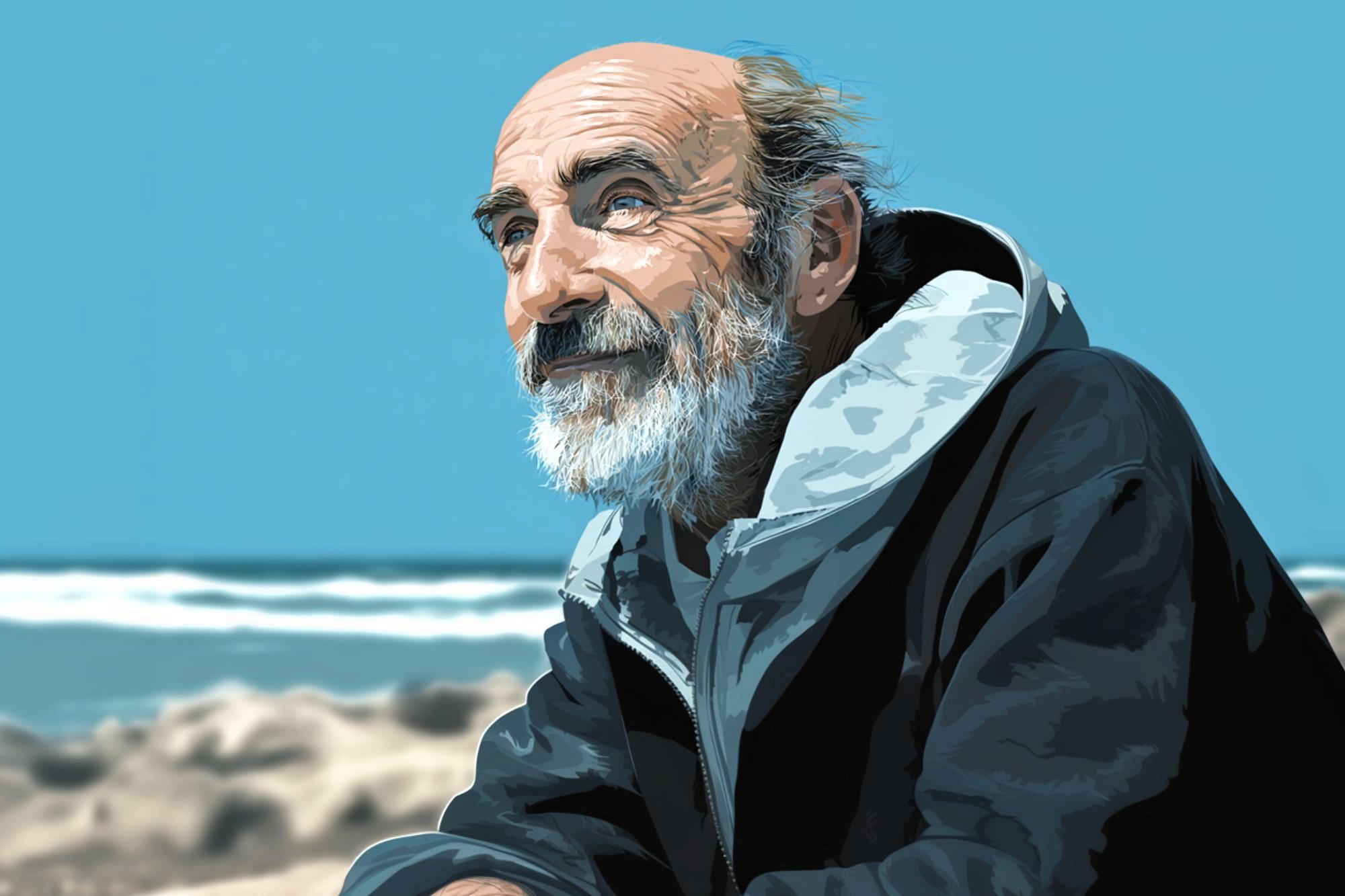
Many of us have known older people who have chosen to live alone rather than with others. Some were divorced (or never married), while others decided to remain solo after being widowed rather than moving in with their adult children.
While some people might enjoy a “Golden Girls” style living arrangement so they’re never lonely, others absolutely revel in solitude.
And when asked why they prefer it, they’ll invariably offer similar answers, no matter where they’re located or what their life experience has been like. Answers like these:
1. It’s only when they’re alone that they have real peace.
Many people only have the chance to be truly themselves when they’re alone.
They can make as much noise as they like (or be silent, if that’s what they prefer) without anyone asking why they’re behaving the way they do.
Furthermore, their nervous systems can only relax if they don’t feel that they’ll need to put on a mask and perform for another’s benefit in any way.
As we get older, it simply becomes more and more difficult to pretend to be something other than we are. We just don’t have the energy for performativism anymore.
Instead, we want the comfy ugly clothes and the foods we enjoy. Most of all, we want to be able to live on our own terms without anyone else judging us, criticizing us, or telling us we should be doing something else.
2. They can focus on whatever they like without interruption.
No matter how much you love the people who are closest to you, having to share a living space with others can get overwhelming.
That is, unless you’re wealthy enough that every individual can have a soundproof wing of the house to themselves, and you only really see each other at mealtimes.
As we get older, many of us withdraw into our own thoughts and would like to immerse ourselves in what we’re doing without interruption. But this is almost impossible when you live with others.
They may not intend to disrupt your concentration, but the mere fact that they’re alive in the space where you live can be enough to drive you to distraction.
3. They only have so much energy, and socializing takes too much of it.
Most people don’t realize just how much energy is needed to socialize properly with other people.
Extroverts have much higher energy reserves than introverts, but even they need to withdraw and replenish their wells on occasion.
And those who don’t have much energy for chitchat at the best of times often find that they have even less of it as they age. People who aren’t terribly socially inclined, or for whom conversation is a bit more difficult, generally struggle more with it as they age.
Furthermore, this is especially true for those who have audio processing differences, or who are neurodivergent. Having to pay close attention to what’s being said and offering the right responses in turn can be completely exhausting.
When someone only has a couple of spoonfuls of energy to get through the day, those spoons are protected fiercely and used for essentials instead of obligations.
4. They have greater freedom of personal expression.
Have you ever argued with a partner because you had different ideas about how to decorate your shared home? Or because one of you didn’t like what the other was wearing?
When an older person lives alone, they can decorate their spaces and themselves however they see fit. They can eat what they like (and when they like), practice musical instruments, and generally do whatever they love most without someone else complaining about it all.
While some people are lucky enough to have a partner who fully accepts their eccentricities (take the “Green Lady of Brooklyn,” for example), most people who want to fully embody their “eccentricity” have to wait until they’re either single or widowed to do so.
Their solitude allows them to do whatever they like, whether it’s dressing like a rainbow or filling their homes with tchotchkes and other quirky memorabilia.
5. Solitude allows them greater independence.
Some older people get infantilized by those around them — especially if they’ve dealt with health issues or other struggles.
As a result, if they live with a partner or family member, they may have all of their actions called into question.
Even if they’re perfectly capable of doing something, they’ll have to spend time arguing with the person who’s trying to prevent them from doing it (often with the best, but sometimes misplaced intentions at heart).
Living alone allows them to do what they like on their own terms.
Yes, they may take a bit longer to do it than they did in their youth, or use a different approach, but they can still do it in peace.
Nobody is talking down to them as though they’re behaving like a difficult child for insisting upon independence, nor do they have to waste time negotiating whether they should be “allowed” to do something or not.
6. They can be creative without judgement or unwanted input.
Many people have had the unpleasant experience of having their creativity questioned or “corrected” by those around them.
They might have been perfectly happy drawing a flower they brought in from a walk, for example, only to have their partner tell them that their proportions are all off. Or worse, that they’re terrible at drawing and should focus on things they can actually do well instead.
The entire point of creativity is pure, joyous expression, regardless of what other people think of it.
As such, people who have suppressed their creativity for years because other people stole that joy often prefer solitude specifically because they can pursue things they love without anyone putting them down anymore.
If they want to paint by number because they find it relaxing, they aren’t going to be criticized for not doing “real” art. The same goes for filling in coloring books or crocheting stuffed toys for charity.
They can enjoy pure creativity without judgement or condemnation.
7. Fewer attachments equals fewer worries.
Simply put, if you only need to worry about yourself, there’s far less stress than if you’re constantly worried about another’s wellbeing. After all, you can’t relax if you’re hypervigilant about someone else setting the house on fire, falling in the shower, and so on.
Some older people even prefer not to have pets for the same reason. The stress of trying to keep a dear friend alive, and the inevitable pain of their imminent loss, is too much for them to handle.
It hurts too much to lose those close to them, so they prefer to withdraw into the peace and solace of solitude instead.
Final thoughts…
Those who choose solitude in later life are very different from those who have had solitude thrust upon them.
Many older adults get terribly lonely when widowed or when their children move away, which is in complete contrast to those who have chosen the peace and tranquility of alone time.
If there are older folks in your life who spend most of their time alone, you might want to check in on them to ensure that their solitude is chosen rather than a burden.
It never hurts to verify whether someone is reveling in solitude or struggling with it.