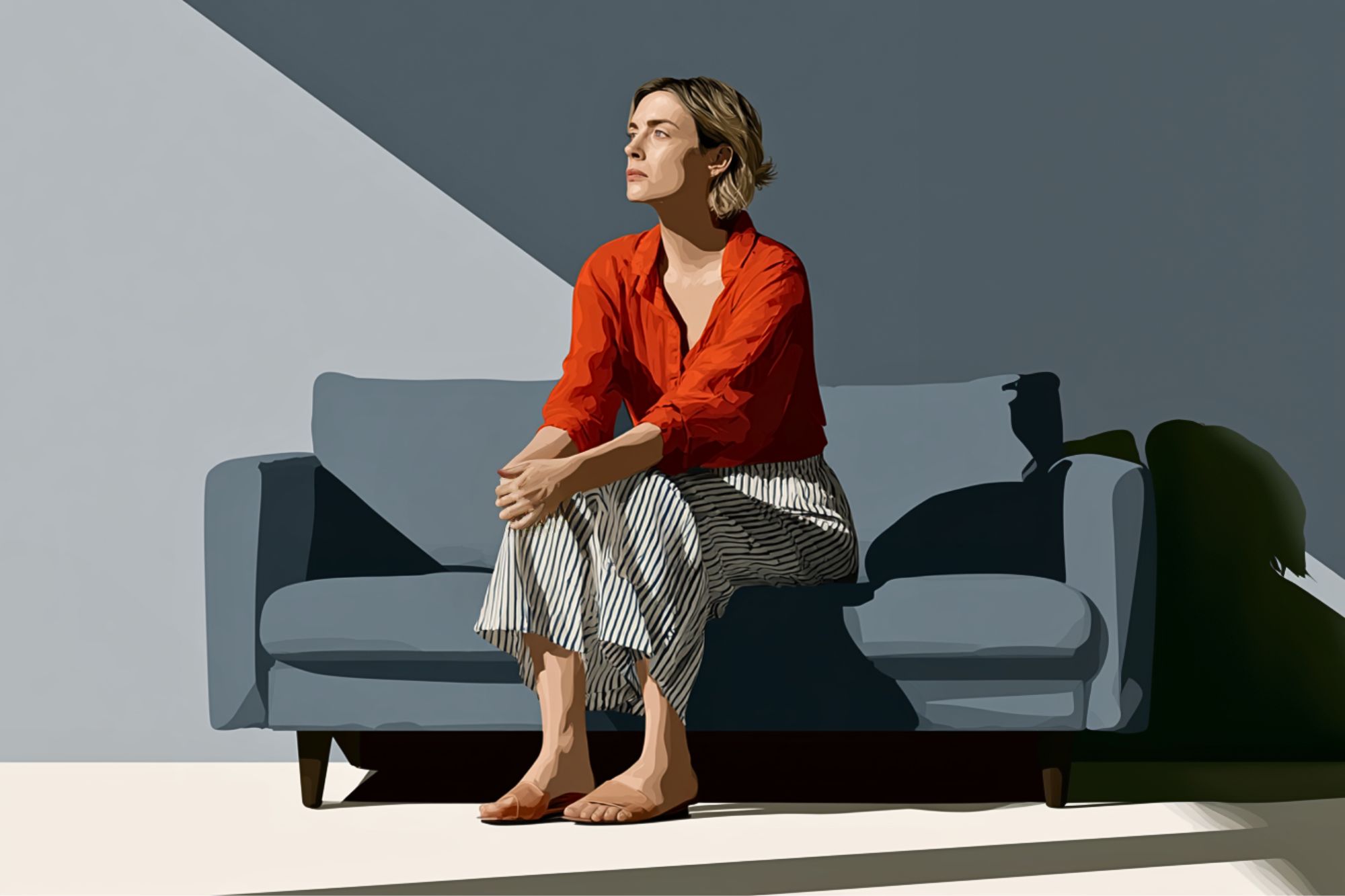
What makes some people so comfortable with solitude, while others are terrified of being alone? Those who fall into the latter category are often fiercely uncomfortable and lonely when they’re by themselves. As a result, they try to fill that emptiness however they can, such as with long phone calls, having a TV or radio on, etc. Anything to make them feel less alone.
Meanwhile, others aren’t just happy with solitude: they thrive in it. And you can learn a lot from their approach. Here’s how to make your periods of alone time feel far more peaceful instead of empty:
1. Prioritize doing the things you want to but feel you can’t do in front of others.
Look back at all the times you’ve held off doing the things you loved because you didn’t want to be judged by those around you. Make a list of all of these things, regardless of how silly you may consider them to be. Now that you have a significant amount of alone time, there’s nothing stopping you from doing all of these things, free from other people’s judging gaze.
When I lived alone after getting divorced, I immediately indulged in all the things my ex used to mock me for doing. I swanned around in floor-length gowns whenever I liked, drank fancy mocktails and smoothies from crystal goblets, put together jigsaw puzzles, and watched the “ridiculous” films he despised. And as a result, my tiny little apartment became my fortress of solitude, peace, and joy.
2. Reframe your perspective about what solitude actually means.
In many places, people are raised with the idea that solitude means nobody wants to spend time with them. These individuals often cringe at the idea of going out to a restaurant or a movie alone because strangers will think that they’re social pariahs, and they’ll jump from one romantic relationship to another to avoid the perceived stigma of being unwanted.
Now is the time to shift that perception. Instead of seeing solitude as the absence of another, try to reframe it as a celebration of yourself. You aren’t spending time alone because nobody else wants to be around you, but because you delight in your own company.
3. Indulge your senses.
Many of us are prevented from basking in all the pleasures of our senses because those close to us don’t share our personal preferences. My ex loved to burn Nag Champa incense in the house (which I despise), and I love to listen to classical music and opera, which he couldn’t abide. As such, neither of us got to enjoy the sensory delights we both loved when we were together.
To make your solitude feel peaceful and comfortable, make a point of prioritizing all of the things that tantalize your senses, especially if you haven’t been able to indulge them around other people.
Listen to the music you love, eat the foods that others may not appreciate, surround yourself with colors, textures, and scents that make you feel calm and nourished on every level, and you’re sure to feel immensely soothed rather than uncomfortable.
4. Unleash your inner goblin.
Many of us are on high alert when we’re interacting with others in case we say or do the “wrong” thing. We carefully monitor our physical actions, eat tidy meals so we don’t get crumbs or sauce all over ourselves, wear less-than-comfortable clothes for the sake of social propriety, and second-guess every exchange to minimize potential humiliation.
Solitude allows us to go full goblincore without the pressure of being perceived by anyone. We can wear penguin PJ bottoms and terrible sweaters while eating the most delicious, messiest meals with great enthusiasm. Immaculate etiquette has its time and place, but this isn’t it. Eat with your hands, forget what a hairbrush is for a few days, and let your feral nature fly freely for a while.
5. Observe the world around you rather than distracting yourself from it.
Have you noticed that when you’re out and about in the world, most people aren’t actually engaging with their surroundings? Or if they are, it’s in a detached manner? For example, they’ll have their phones out recording at concerts, or are texting while sitting outside in a park instead of observing the wild animals or marvelling at cloud formations.
When we’re in other people’s company, we (hopefully) give them our attention instead of focusing on the things around us. That’s good, but it usually results in us missing out on countless moments of magic and beauty that surround us on a daily basis. We rush towards destinations, focus on conversations and other people’s problems, and miss so much wonder in the process.
Sometimes, the best therapy in the world consists of sitting alone, quietly watching tree leaves, birds’ wings, or ocean waves undulating rhythmically, reminding you how to breathe and where you belong in this beautiful world of ours.
6. Take up a hobby or pursuit that requires peace and concentration.
A lot of us have tried to take up hobbies in the past that we were eventually forced to abandon because we weren’t able to immerse ourselves in them. That’s because certain pursuits require a great deal of peace and quiet in order to concentrate on them. If we’re in a space where we’re constantly interrupted by other people who want our time and attention, or are thumping around, playing music, watching TV, or otherwise making noise, we simply can’t do them.
Solitude offers a perfect opportunity to do things like learn a musical instrument without anyone telling you to stop making noise, focus on language practice without intrusion, or high-precision skill hobbies such as model building or sewing that require uninterrupted concentration. It’s amazing how proud and accomplished you can feel by achieving goals in pursuits that are important to you.
7. Establish a routine.
Some people find things like the solitude of an empty nest, living alone after a relationship ends, or the retirement lifestyle quite an empty experience because of the loss of a regular routine. They might not necessarily be lonely due to the absence of those around them per se, but after years of regular meal planning and preparation, ferrying people to appointments and lessons, or the 9-5 workday, the lack of a routine to adhere to can make them feel very lost — even anxious or depressed.
If this feels familiar to you, then a good way to make your solitude feel more peaceful rather than empty is to establish a new routine for yourself. Wake at a specific time, cook favorite meals on a regular schedule, and consider signing up for regular online classes you’re interested in so you have specific things to look forward to every week. Scheduling like this can help to calm your nervous system while simultaneously filling your schedule with fun and engaging pursuits.
8. Embrace the empowerment of self-sufficiency.
Many individuals are uncomfortable being alone because they have always depended upon others to help them with various tasks or even take care of those things for them. Some were raised to believe that they were incapable of handling those things by themselves, while others simply don’t have faith in their own capability because they’ve rarely tested it out. Regardless of the reasons, people like this tend to feel discomfort with solitude, just in case they need help doing this or that.
In reality, learning how to do things yourself doesn’t just make you feel immensely empowered, but can also help you to avoid an extraordinary amount of tension. For example, have you ever tried to assemble IKEA furniture with a partner? The vast majority of couples bicker and fight when doing tasks like these together.
By embracing solitude and doing things yourself, you’ll realize just how capable you actually are. Then you can look around at everything you’ve accomplished on your own, place these items exactly where you like them, and kick back with a snack and a beverage to celebrate the magnificent creature you are.
Final thoughts…
Many people nowadays have gotten so accustomed to constant entertainment and engagement that they’ve forgotten (or have never experienced) just how calming and sacred solitude can be. It’s only when we’re alone that we’re able to truly explore our own thoughts and feelings, or immerse ourselves in pursuits we love for as long as we like.
Solitude allows us to reconnect with our authentic selves and provides space for personal growth, exploration, peace, and truly unparalleled delight. But only if you let it.