
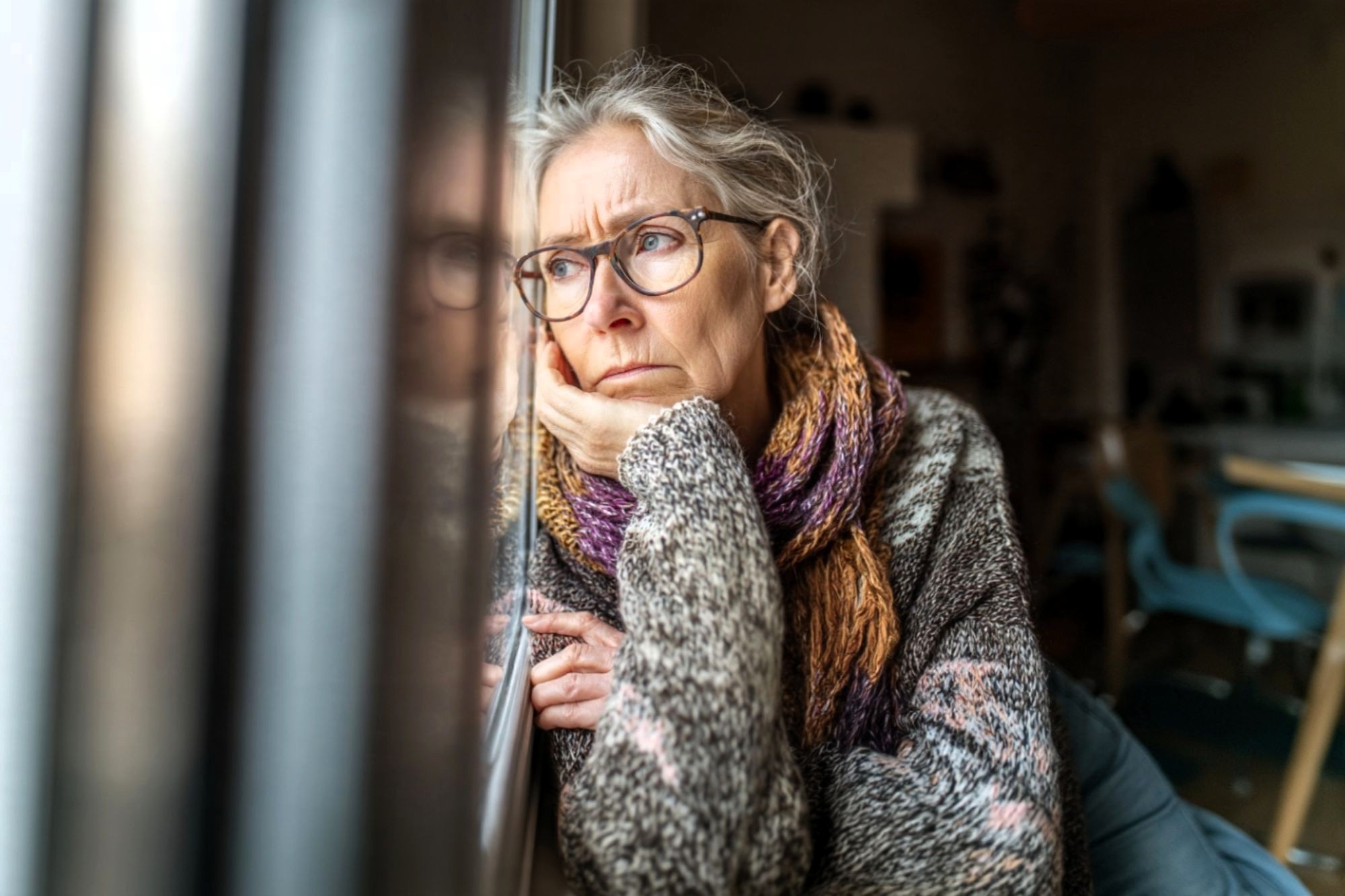
Life can be such a funny thing. Sometimes, we spend a significant amount of time surrounded by close friends and family members, and then we wake up one day to find ourselves sitting alone, wondering what on earth is going on.
We can retreat from the people and things we love for a number of reasons, and often don’t notice what’s going on until a significant distance has been achieved.
If you’ve been doing any of the following things, it’s possible that you’re withdrawing from those you care about without even realizing it.
8 signs you’re slowly retreating from the people and things you love without realizing it:
1. You keep cancelling plans because you’re too tired or overstimulated to partake in them.
Maybe you get invited to events that you’re really excited to attend, or your loved ones make plans to spend time with you. When you agreed to those invitations at the time, you were likely feeling pretty good.
You may have been excited about seeing them, and the events themselves might have been really appealing — like a concert by a band you really love, or a theme party full of your favorite people.
When the date of that event rolls around, however, you find yourself too exhausted or overstimulated to be able to attend. It’s difficult to enjoy good music and other people’s company when you can’t bear to hear any more sound or expend any more energy after a frenetic work week.
So instead, you cancel plans and promise to make new ones again as soon as possible… and then you end up cancelling those as well.
2. You don’t have the wherewithal for conversations, so you avoid phone calls or text discussions.
During some of the worst times in my life, I’d avoid texting people back for longer and longer periods of time — even my closest friends.
It started off with me waiting a day or two to text back, and eventually turned into weeks or months between responses. I don’t think I had a phone conversation with anyone for a couple of years during that period.
If you’re dealing with something like physical, mental, or emotional exhaustion, chronic illness, or mental health struggles, you may not have energy for anything other than taking care of your most basic needs.
The prospect of having a simple conversation with someone might be as daunting as the idea of pulling a car down the road by your teeth.
All you can do is respond with basic emojis so they know you’re not dead, and go back to the comfort of your couch.
3. You’ve lost your love for your hobbies, so you binge-watch shows or scroll on your phone instead.
You may have storage bins full of supplies for all the hobbies you love to do, but you can’t bring yourself to open any of them. Quite simply, partaking in these pursuits would require energy that you simply don’t have right now.
So instead of doing the things you once adored, things that have always made you happy and provided you with a great sense of fulfillment, you distract yourself with hollow, low-effort pursuits instead.
Maybe you’re in the process of watching all 15 seasons of Supernatural, or you’re well on your way to reaching level 20,000 in Candy Crush on your phone, while your once cherished painting supplies languish in a dusty corner.
4. You’re fighting to keep your emotions in check, so you withdraw into solitude so nobody sees you break down.
Few of us like to break down in front of other people, and that includes close friends and family members.
And if you’ve been dealing with a lot of stress or other challenging situations lately, you may have less of an iron-clad grip on your emotions these days. For example, you may get teary-eyed at the drop of a hat, or be more snappish than you usually are.
Since you don’t want anyone to see you losing control over your emotions, you may find it easier to simply be by yourself as much as possible.
You may dearly want to spend time with the people you love, but you can’t bear the thought of them seeing you in this state.
So you choose not to.
5. You check out of discussions and only respond with basic acknowledgement.
Instead of engaging when people are talking to you, your mind may drift anywhere and everywhere other than paying attention to what they’re saying.
You might offer polite “mmhmms” now and then, but that’s about it. The people you’re talking to don’t know what’s going on inside your head, however, and may interpret your inattention as a lack of care.
Unfortunately, that can make them less likely to engage with you in the future, since they may feel that you aren’t interested in anything they have to say anyway.
You may feel relieved about this on some level, because your already thin energy reserves aren’t being further drawn from, until you wake up one day and realize that you haven’t interacted with anyone you love in known memory.
Furthermore, if you’ve been checked out of your romantic relationship in the same way, you may find that your relationship has been unintentionally damaged by your lack of engagement or presence.
6. You insist that you’re fine so people will stop intruding.
The thing about having people in your life who care about you is that they’re going to check in on you repeatedly if they think you’re going through a difficult time.
You’d likely do the same thing: if someone you love is hurting or ill, you may be one of the first to offer assistance, to swing by with a pot of soup, and so on.
Many of us can have double standards in this regard, however, and although we’re the first to offer help, we don’t feel comfortable accepting it.
As such, even if you’re going through extreme duress, you may pretend that everything is completely fine so your loved ones stop intruding into your life.
You might want their company dearly, but don’t want to deal with the constant questions about what’s going on, advice on what to do, and so on. So you retreat into solitude instead.
7. You withdraw into your own space as often as possible.
Instead of sharing meals with your family, you may grab your plate and then scuttle off to your office or the basement to do your own thing.
Similarly, if your spouse or kids invite you to watch a movie with them on a Friday or Saturday night, you might sit with them for a few minutes and then find an excuse to retreat elsewhere.
There may be many reasons why you’re choosing solitude over social interaction. For instance, you may be really engaged in a personal pursuit and want to put as much time towards it as possible.
Alternatively, you may be feeling frayed and don’t have the wherewithal to listen to other people’s stories and woes.
The problem is that over time, actions like these will affect your relationships. You may not be intentionally pushing your loved ones away, but by constantly disappearing into your own space, they may begin to feel as though you don’t want to spend time with them.
8. You hide away because you’ve changed and you fear the judgment of others.
Time and the ravages of life stress can take their toll on all of us. Very few people look or feel the same at 50 as they did at 25 or 30, and that can make a lot of individuals quite self-conscious.
It’s embarrassing to no longer be able to remember details of experiences you shared with others, for example, or to have people ask details about why you’ve lost so much hair, put on all that weight, and so on.
My partner and I know a lot of people who have refused to attend high school or college reunions because they don’t want to be judged by those who remember them being much more vibrant, energetic, and attractive in their youth.
While it’s true that some people are horribly judgmental, the people who are worth having in your life won’t be. They don’t judge those they love for changing, and instead often love them even more for being evolved and beautifully vulnerable versions of themselves.
Final thoughts…
It’s important to recognize that if you’re retreating from people and pursuits you love, it’s likely unintentional.
You’re probably dealing with some difficult things right now, and your actions stem from self-preservation, not cruelty or neglect.
If any of the actions listed here resonate with you, that may offer you an opportunity to take stock of where you are and maybe get some help to navigate your way through it.
Let others know what’s going on, let them help you, and do what you can to regain stable footing so you can spend time doing the things you love once again.