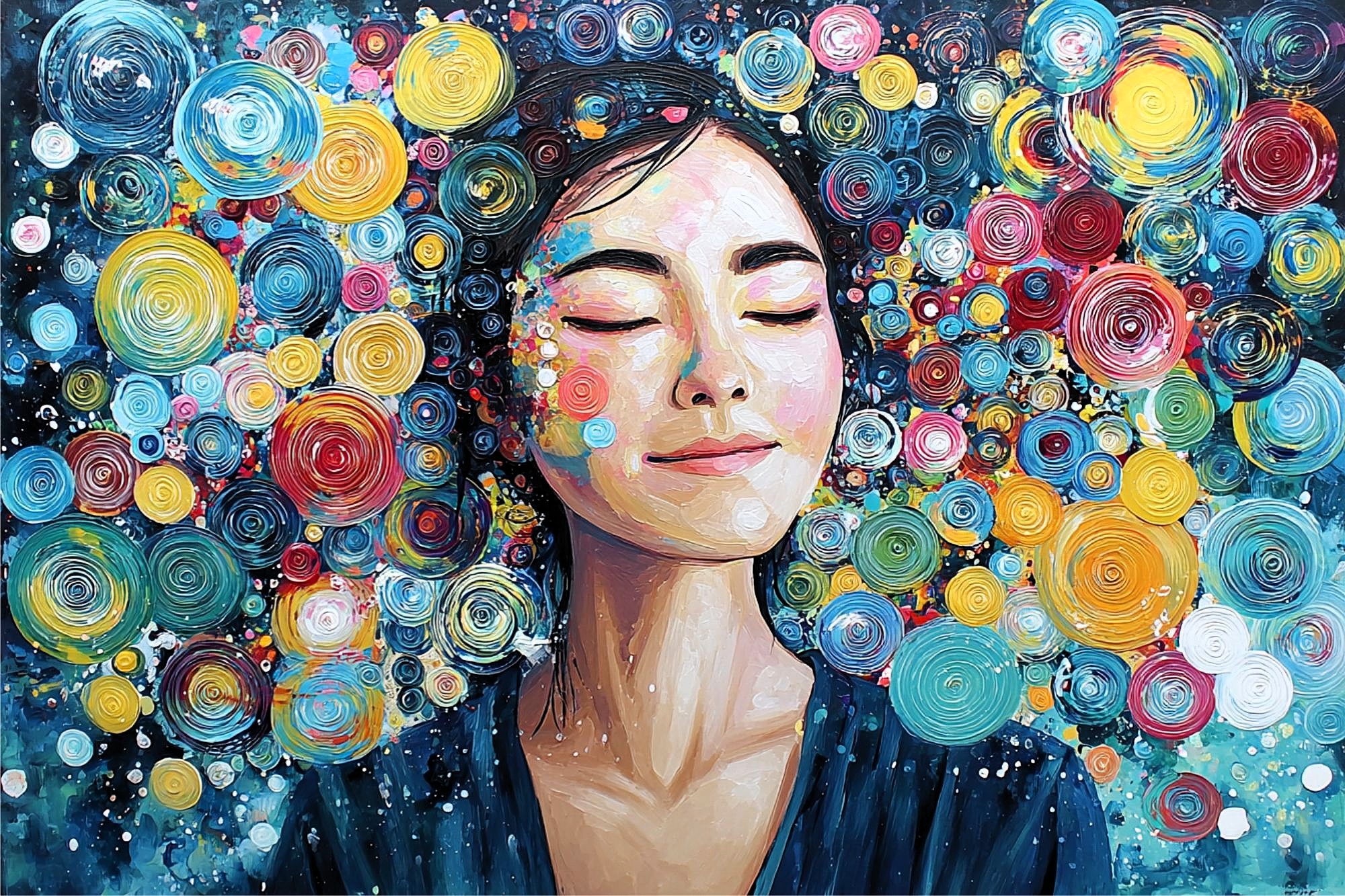
A lot of people had difficulty during the COVID lockdowns because they were essentially forced to live a “hermit-like” lifestyle for a while, with limited interaction with the outside world. Most people are very sociable by nature, and they cannot conceive of the fact that others don’t just prefer solitude and isolation — they thrive with it.
But in reality, a considerable number of individuals crave this kind of existence, even though most will never understand it. Let’s take a look at nine things that most people get wrong about the hermit life, and those who embrace and love it.
1. It’s not about completely cutting people out of your life, so much as being extremely selective about who you spend time with.
Those who choose the hermit lifestyle are usually fierce introverts who get exhausted by most social interactions. They don’t do well in crowds, and find that they’re much healthier and happier when they spend much of their time alone. This doesn’t mean that they completely cut themselves off from all humans — they’re just extremely selective about whom they socialize with, as well as how.
Here’s an example: my partner doesn’t process auditory information well, so socializing verbally with others can exhaust her easily. As a result, she has always preferred to spend time alone, but will use online, text-based chats with her friends throughout the day.
Similarly, I once had an older, hermit-type friend who lived alone in an old stone cottage, surrounded by notebooks and old texts, which he loved to chat about at length to the two or three people he deigned to spend any time with.
2. Not all hermits are religious or deeply spiritual.
You’ve probably seen old paintings of people — both men and women — who either moved into caves or were walled up as anchorites (or anchoresses) in order to separate themselves from worldly issues. Hermits of bygone eras generally chose lives of seclusion so they could dedicate themselves wholly to their spiritual paths, spending their time in prayer and contemplation.
Although some modern hermits may be quite spiritual, the majority are not. The thing they often have in common is an academic leaning, and they may put a great deal of time and effort into subjects they’re passionate about. They’re often deeply studious and have countless books and papers about their subjects of choice. Furthermore, they may earn advanced degrees with distance education, and/or publish papers and books based on their research.
3. Hermit life doesn’t necessarily revolve around self-denial.
Many hermits of the past (especially religious ones) renounced worldly possessions and lived in nearly-bare caves and grottos. If they were very lucky, they might have had a hair shirt or a bit of straw to curl up on at night, and they considered poverty, deprivation, and self-denial to be noble virtues to embrace and strive towards.
Modern hermit life has little to do with self-denial, and everything to do with quiet comfort. Some hermit-types do embrace minimalism and try to live as simply and ethically as possible. For example, they may only dress in natural fibers like wool and linen, use wooden and metal utensils, and adhere to a vegetarian or ethically omnivorous diet, but also enjoy everything they do have to the fullest.
4. Modern tools and conveniences are integral, not shunned.
Being a modern-day hermit doesn’t mean that a person is living as a veritable Luddite. While many who embrace the hermit lifestyle enjoy traditional crafts such as spinning, baking, wood carving, and the like, others may be avid gamers or devoted film buffs.
Many hermits find a happy medium between the two. For example, one might spend their days working as a computer programmer and then spend their evenings reading by the fire with the Wi-Fi turned off. Another may work as a graphic designer and knit soft toys for charity while binge-watching streaming shows during their downtime.
5. Many hermit types naturally prefer solitude: it isn’t always a trauma response to being excluded.
Some people who choose the hermit lifestyle do so because others have mistreated them over the years. For instance, if they have noticeable physical differences, they may be more comfortable being alone than feeling like a spectacle when out in public. Others, however, simply prefer solitude.
Think of famous actors or musicians who have retreated from the public and just wanted to be left alone. They weren’t social pariahs who embraced hermitude as a response to being ostracized by those around them, but simply wanted the peace of their own company, free from others’ attention and demands.
6. Living in isolated, remote areas isn’t a prerequisite.
There are likely people living the hermit lifestyle all around you, and you have no idea. These folks are holed up in their urban flats or suburban bungalows, living their quiet, content little lives, and others barely notice them at all.
People in their community would likely describe them as being “reclusive” or even “standoffish”, especially if they shy away from social interaction when they leave the house to go get groceries and so on. Well-meaning extroverts sometimes inadvertently increase their desire for isolation by striking up conversation when they do have to leave the house. Thankfully, it’s a lot easier to be a hermit now that DoorDash and Instacart exist!
7. They don’t spend their time in long, unwashed robes, wielding staves or lanterns.
I mean, they may cosplay once in a while or incorporate this aesthetic into their Halloween garb, but on a daily basis, they simply wear what they love. Basically, being a hermit doesn’t require someone to go for long periods without bathing, sitting in the dark, surrounded by piles of rat-infested pizza boxes and wearing old tissue boxes as footwear.
One person may have a wide selection of PJs that they love to lounge around in, while another might choose to dress as a Renaissance pirate on a daily basis. And why not? It’s not as though they need to adhere to office dress codes: they can decorate themselves (and their surroundings) in whatever manner makes them happiest. They don’t have to conform to others’ expectations, and can express themselves in the freest, most authentic way possible.
8. Hermits often choose animal companionship because they love animals, not because they dislike humans.
Those who embrace the hermit lifestyle may love solitude dearly, but that doesn’t mean that they don’t get lonely on occasion. As a result, the majority of hermit types have animal companions whom they love dearly. These provide loving company and lift their spirits exponentially, provided that they don’t make too much noise.
Some hermits like dogs or cats, while others may prefer birds, amphibians, or various small, furry friends. We’re partial to rabbits because they’re a perfect blend of dog and cat personalities, only they don’t make noise, and their litter boxes aren’t biohazards. They’re pretty much perfect.
9. Those who embrace hermitude don’t hate society: they just interact with and contribute to it in different ways.
Just because a person doesn’t want to engage in current society on a regular basis, doesn’t mean that they despise humanity or want to see it fall. In reality, many who embrace the hermit lifestyle do so because they care so very deeply that seeing all the suffering around them hurts them terribly.
As a result, many try to do what they can to help others at a distance. They generally work remotely and likely take the money they’d otherwise spend on social functions and donate it to causes that matter to them. Others create items for charity or write letters and sign petitions from a distance as a means of helping positive change happen in their own, small way.
Final thoughts…
The hermit life can be difficult at times, and it isn’t for everyone. Living in a way that isolates one from the rest of society means that there’s little in the way of a social net for when and if things go sideways. If you get ill, for example, you’re on your own because there’s nobody around to make you soup. That said, if you are inclined towards solitude, this type of lifestyle has the potential to bring you more peace than you can imagine.