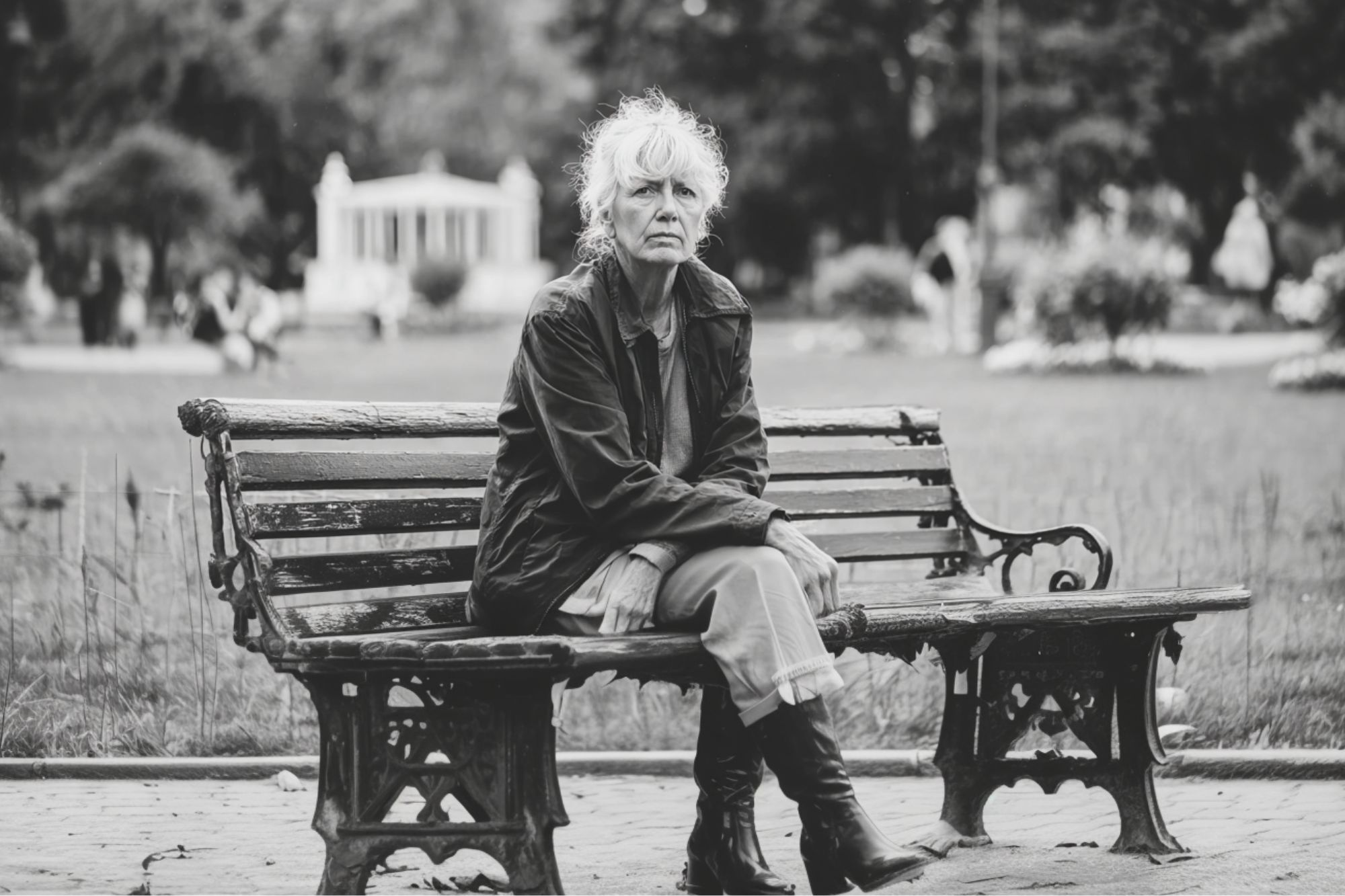
Loneliness is a significant problem among seniors because once we retire, we just don’t have the same kind of social connections that we once did. Not only that, but as you get older, your situation will inevitably change, which may remove people from your life. As a result, loneliness can easily turn into isolation, which is not healthy.
It’s a well-established fact that loneliness and isolation have negative effects on mental health. That, in turn, may fuel declining physical health from the stress and depression that come with it. But you can avoid that by considering these mistakes that newly retired people often make.
1. Not replacing work friends with new social connections.
There are specific chemical processes in the brain that promote and reward socialization, and many people underestimate just how much of that socialization they get from their work situation. Being at work, in most cases, requires you to socialize with people even if you aren’t the best of friends. But if you do have work friends, it can be even more impactful when you’re no longer spending so much time with them.
Many people go from having 40+ hours a week of social contact with coworkers whom they like and enjoy interacting with, to significantly less, because those friendships don’t necessarily carry outside of the workplace. Or, perhaps you highly value some of your coworkers but try to keep your personal life separate, so you may not have that same kind of connection with them outside of the job.
After you retire, you will lose those social connections, so you want to plan for it. Maybe there are some people you want to stay in contact with. There are also quite a few retired folks who go back and do consulting work in their previous industry for a few extra dollars. That allows them to maintain social connections as well as put their knowledge to work in a different way.
2. Not expanding their social world past their immediate friends and family.
Comfort and convenience can easily cause a person to close off their social circles. They tell themselves they have enough friends and family, so they don’t make an effort to try to build new relationships. Alternatively, as life goes on and we lose people, it can get much harder to choose to want to create new social connections because of the weight associated with loss.
I struggle with that at times. People change, or they die, or they get into new relationships that change their accessibility. It’s hard to keep choosing to put yourself out there when you know that sooner or later, happiness and joy are going to be replaced with sorrow and grief.
I personally find that the key is to focus on the present, rather than what will come in the future. Enjoy this moment right now with the people around you. Deal with the rest when it actually arrives.
As Psychology Today informs us, it’s important not to put all of your social needs on the people who remain. Even if they want to, they still have their own life and responsibilities to handle. They might be working, trying to raise their own families, and maintaining their own social connections. It’s good to find a hobby or attend some kind of social function where you can meet new people.
3. Avoiding social environments out of awkwardness.
There’s nothing like being the new kid on the block, right? I think it’s pretty reasonable to feel uncomfortable in new social situations at any age. Especially for older folks, you may head into a new situation without knowing what to expect, and it makes you a little nervous and anxious. That’s okay, though. Nervousness is usually a good sign that you should be doing whatever it is you’re doing.
After all, growth most often occurs outside of your comfort zone. Plus, it’s good for you to try new things and meet new people. You don’t want to play it too safe. As the Alzheimer’s Society shares, socializing stirs up plenty of endorphins and other feel-good chemicals in your brain that help stave off depression and conditions like Alzheimer’s and dementia.
Embrace the nervousness. You’ve survived life up until now; you can survive a few minutes of feeling awkward until you understand the vibe of the function. Nervousness is not restricted to an age!
4. Confusing over-isolation with just enjoying your peace.
Peace and quiet are a welcome reward after a lifetime of work and effort, right? It’s good to get some quality time to yourself. However, too much of anything can be a bad thing. Too much isolation isn’t necessarily just enjoying peace, but it’s also inadvertently causing some active harm. Many people who self-isolate find it much harder to reestablish social connections later.
Too much time spent alone may mean you get out of the habit of learning how to move through social situations. Hygiene and health can slip, and you may find your social skills slip if you don’t stay as intellectually sharp as you used to be. That’s a common struggle for older folks, though some will remain razor-sharp for a long time.
Definitely take your time to yourself, but it’s a good idea to have at least one social function you can go to here and there. Just getting out once a week is far better than nothing, especially after the dramatic change in your social life when retiring from work.
5. Letting minor disappointments derail your future efforts.
Developing friendships isn’t the easiest thing in the world. You can put yourself in plenty of social situations and not come out of it with a friend. I mean, the workplace is the ideal example of that. You can spend all that time around your coworkers and never develop a real friendship out of it. Right? And the same is true for participating in activities.
The important thing is that you keep getting out there and making the effort, even if it doesn’t always work out so well. Even if you can’t develop direct emotional connections through friendships and relationships, just being around other people is still so helpful to stave off loneliness and isolation.
Alternatively, you may want to consider trying different activities. It may be that you’re in the wrong crowd, and you may find greater success with different people.
6. Waiting for invitations instead of making plans of your own.
The unfortunate truth is that people are busier than ever. As a result, you may find that you aren’t getting invited out to things as much as you’d expect. So you don’t want to get into the habit of just waiting on other people to reach out. You do need to be proactive to help maintain that connection. Hopefully, others do the same for you.
However, if they don’t, you may need to have a frank conversation with them about it. Tell them, hey, I appreciate our connection, but I can’t do all of the heavy-lifting. Friendship is a two-way street, and you shouldn’t be the only one driving. If they aren’t prepared to do some of the work, well, that’s okay. Now you know they’re not meant to be a good friend and can focus on developing other relationships.
It stinks to realize that we value a friendship more than the other person, but that’s just the way it goes sometimes. Nothing we can do about it but accept the truth of the situation and move forward.
7. Not replacing any sense of purpose you may have had from work.
One understated struggle of getting older is the feeling of not being useful or contributing like you used to be able to. For retirees, you lose the structure of employment and the feeling of contributing to something greater, which is what drives a lot of people. We are, after all, social creatures who derive a lot of value from community, and part of community is contribution.
A great option may be to get involved in a nonprofit or social issue that will benefit other people. There’s no easier way to find a sense of purpose than uplifting people. And the great thing about nonprofit work is that many of them need people with different industrial experiences on their board of directors. Your institutional knowledge can be of great benefit to a relevant nonprofit.
And, as previously suggested, consulting in your former industry is a great way to make money while putting your years of experience to use in a totally new way.
Final thoughts…
As you can see, it’s easy to slip into a mindset of self-isolation once you retire. It’s a challenging time because your entire schedule and social network change due to the lack of coworkers. You don’t want to solely rely on your immediate friends and family for social support because they still have their own lives to live, too. Instead, get active, get out there, and make some connections! It’ll help you stave off the loneliness and maintain your mental and emotional health.