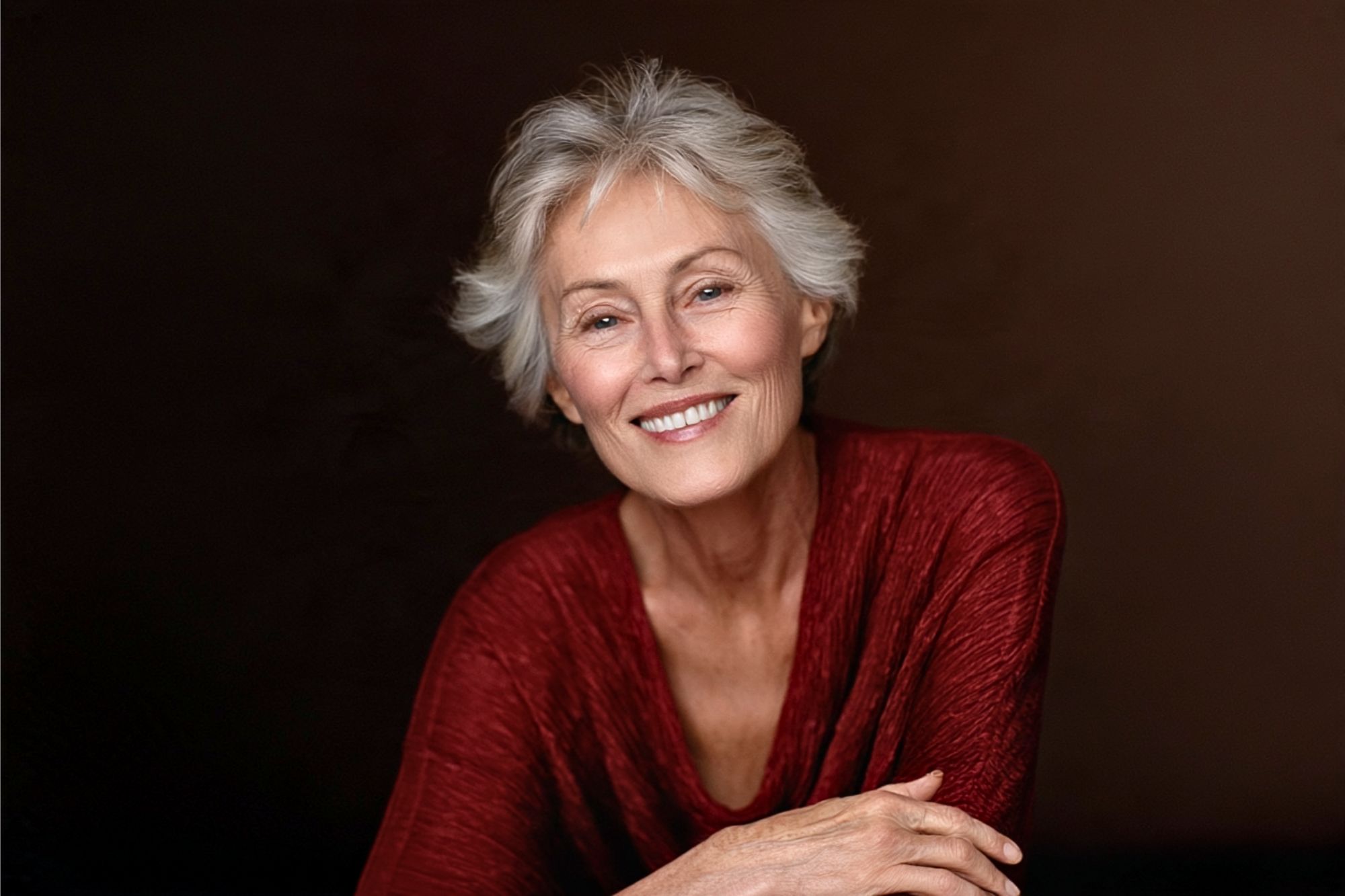
One of life’s great gifts is the privilege of growing old. If you’re still among the ranks of the young, you may not agree.
But growing old often means you’ve had a host of memorable experiences. You’ve probably traveled and seen beautiful—and sometimes extraordinary places. You may have had the indescribable pleasure of walking through life with a partner, children, and friends.
But some seniors are like bad cheese—they don’t age well. And they serve as unpleasant illustrations to the young that growing old is not for them. They don’t look forward to it. They may even dread it.
This is both unfortunate and unnecessary. There are things you can do to become the senior you would have looked up to in your youth. That should be everyone’s goal. So here are 9 things you can do to become that senior yourself.
1. Keep learning—always.
No matter how much knowledge we acquire or rich experiences we’ve had, we should never become too old to learn. Today, we have virtually unlimited access to knowledge of every kind—online courses, community libraries, and community college classes, to name just a few.
I couldn’t tell you how many things I’ve learned by watching YouTube videos. If I have the slightest doubt about how something should be done, I’m off on a search. It’s an incredible resource that simply wasn’t available to previous generations.
There is always something to learn. Always. For me, I would be perfectly content to die with a book in my hand—not just holding it, but reading it, enjoying it, and learning from it.
2. Don’t become crotchety.
We’ve all known seniors who seemed to believe it was their calling in life to be everybody’s wet blanket. They always have something to complain about, to criticize, or to disagree with. They are exhausting to be around.
Oscar Wilde said there are two kinds of people in the world: Those who bring joy wherever they go and those who bring joy whenever they go. We should aim to be in the former group rather than the latter.
We should work to become the kind of senior that people don’t just tolerate, but genuinely enjoy having around. A person who adds to the gathering, who would be missed if they weren’t there.
3. Don’t be known as one who speaks disparagingly of the young.
It seems that for some seniors, their favorite expression begins with: “Young people today”—a phrase usually followed by unfounded criticism, a putdown, or an inaccurate generalization.
Young people don’t see the world exactly as older folks do. Nor should they. They don’t yet have calcified opinions. Nor should they. Young people bring something to the world that seniors don’t have: youth. And with youth comes a different perspective on life.
Rather than speaking with contempt or dismissing their viewpoints, we should listen to them. We might learn something new or see something in a way we hadn’t before.
Speaking with contempt about young people is just as unfair as when young people speak with contempt toward the elderly.
4. Willingly and easily admit that you might be wrong.
We all have a tendency toward confirmation bias. We notice information that supports what we already believe, while ignoring information that challenges it.
But this is not a prescription for growth; it’s a formula for cognitive stagnation. What’s more, admitting we’re wrong doesn’t diminish our standing as we often fear it will. It actually raises our credibility.
So rather than vehemently disagreeing with someone simply because they hold a different view, we should ask them to tell us more about how they arrived at it. We might learn something valuable about their perspective, and so might they.
It’s never too late to change a belief—even one that’s been held a lifetime. No one needs to persist in being wrong forever.
5. Don’t bore people with stories of “the good old days.”
Of course, there are aspects of the past that were genuinely good and healthy. It’s natural to miss some of them.
But not everything in the past was better than everything today. C.S. Lewis referred to this mistake as “chronological snobbery.” That is, the belief that something is better simply because it belongs to the past. This is as annoying as it is unfair.
We may have wonderful stories to share, but we should learn to tell them well, keep them brief, and be sensitive about when to share them and when not to.
The key is knowing when memory is a gift and when it becomes a burden. Seniors who age well recognize that not everyone will appreciate what they’ve appreciated. That’s okay.
This doesn’t excuse rudeness or disrespect, but neither does it require young people to politely endure wearisome yarns.
6. Practice habits that support your health and well-being.
Many young people assume that once a person reaches a certain age, they’re simply sliding for the finish line. It’s true that aging requires slowing down and choosing simpler pursuits. But there’s no good reason seniors can’t incorporate daily habits that promote health and vitality.
Maybe we once ran marathons or cycled long distances. Now we take a brisk daily walk. Maybe we once lifted heavy weights at the gym, which now would seem glued to the floor if we tried to lift them.
The question isn’t: “Why can’t I do what I used to do?” The question is: “What can I do right now that will benefit me today?”
7. Make it easier for those you leave behind.
Those who age well take steps now to make life easier for their survivors.
After my parents passed away, I spent long months sorting through their belongings. It was overwhelming, emotional, and at times exhausting.
And though I loved my parents dearly, the process would have been far easier had they taken time to organize their things in advance.
Decisions about what to keep and what to discard could have been made gradually over time. That simple effort would have been a great kindness.
Seniors who prepare for their final exit do their survivors an invaluable service. It’s a gift that becomes part of their legacy—perhaps the last way they care for those they leave behind.
8. Give back in your own unique way.
Most people would agree that life hasn’t given them everything they ever wanted. But most would also admit that it’s given them much to be grateful for.
Much of that goodness came through the contributions of others—not only family and friends, but people we never actually met.
Seniors who age well give back out of a grateful heart. The ways to do this are almost limitless, and as unique as the individuals doing the giving.
I don’t have grandchildren, so my opportunities look different from many. I try to share what I’ve learned by writing articles like this one and publishing a blog that reflects on distilled wisdom found in good quotations. I hope those efforts have been meaningful and helpful to others.
Your contribution will likely look different than mine. The idea is to discover what you can give—and then give it.
9. Invest in the relationships that matter.
Older people tend to forget what it was like to be young. Young people, meanwhile, may not realize that the elderly have never been elderly before.
It’s a new experience for the elderly too. They’re just trying to successfully navigate the unfamiliar waters, much like a teenager coming of age. Much of life, we learn as we go.
With this in mind, it can help us be generous in our assumptions about our parents, children, family, friends, neighbors, and colleagues.
Relationships are hard work. They can feel thankless, and we sometimes wonder whether it’s worth the effort. It is.
Good relationships don’t happen by accident. Like most things that thrive, they flourish because they’re nurtured, and the work has been put in that’s required.
Final thoughts…
It’s often said that we’re only young once. But we’re only old once, too. Perhaps the most consistent feature of life at any age is change.
Life is a series of transitions, one after another. Some are small. Some are large. Some are life-altering.
Young people are often gaining new opportunities and acquiring new privileges—independence, money of their own, mobility, love, and discovery. Older adults, by contrast, are experiencing loss—loss of health, of loved ones, strength, mobility, memory, and independence.
Seniors who age well find the balance required to live humbly and gracefully in this season. They don’t deny the losses they’re experiencing, but neither do they become embittered by them. They enjoy what they have while they have it.
They complain less and enjoy more. They laugh often. They remain open to and delighted by surprises. Such seniors are aging well and should be looked up to by the young, who will be joining their ranks far sooner than they may imagine.