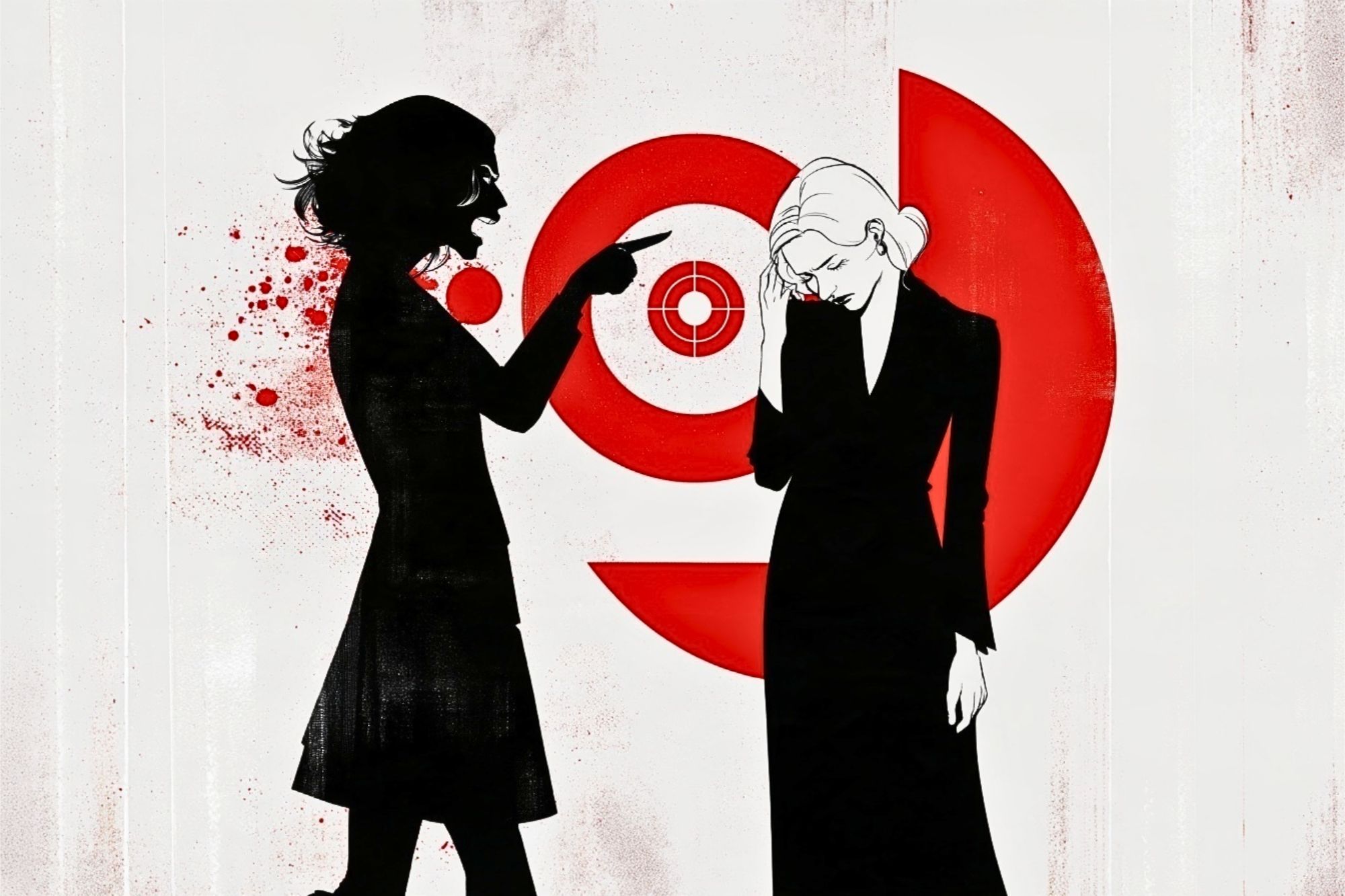
You’ve likely come across many stories of people who just couldn’t catch a break from those around them. They’ve been targets for meanness and bullying since earliest childhood, and have been tormented by family members, schoolmates, colleagues, and even complete strangers. Then there are those who might not have been consistently picked on, but who, at some point, have been singled out and targeted by a mean person for no apparent reason.
While these individuals don’t have literal signs that say “kick me” on their backs, there are a number of traits that may encourage others to be cruel to them, and some might surprise you. In fact, psychology reveals several common reasons why some people are more likely to become targets for mean people.
1. There’s something “different” about them.
For many mean people, those who are different from themselves in some way become instant targets for their cruelty. They prey on people’s vulnerabilities, so if someone uses mobility aids, has a speech impediment, or is otherwise in the minority, that becomes grounds for meanness towards them.
According to psychology, this behavior can happen for a number of reasons. Some individuals are afraid that someone else’s disability is either a divine punishment or contagious, and they’ll treat them like a leper accordingly. Often, it’s a case of outdated social and cultural conditioning.
With regard to mistreating those of different cultures or religions, it’s often due to ill-informed misconceptions about them. You’ve probably seen people make all kinds of unfounded accusations towards others, based on nothing but fearmongering and ill-spirited slander.
What’s more, psychology teaches us that humans naturally sort others into mental categories of ‘like us’ and ‘not like us’—and we’re hardwired to be suspicious of the ‘not like us’ group. Rather than recognising this bias and choosing not to act on it (and actively challenge it), mean people take this natural tendency and weaponize it. Once they’ve mentally labeled someone as an ‘outsider,’ it becomes easier to justify their cruelty. After all, if someone isn’t really ‘one of us,’ then treating them badly doesn’t feel quite as wrong.
2. They don’t put a stop to meanness as soon as it arises.
The phrase “if you give them an inch, they’ll take a mile” applies here. Many people with cruel intentions test others’ boundaries by being a bit mean towards them to see how they react. If the person in question laughs nervously or just smiles and takes it, they know that the individual is a bit of a pushover, and they will intensify their cruelty from there on.
In contrast, if the person pushes back, that usually puts up a boundary immediately. See it rather like dogs who are trying to determine social hierarchy: if they nip one of their cage mates and that dog doesn’t nip back, they know they have dominance over them. Furthermore, if that dog in question turns around and grabs them by the throat with their teeth, they’ll know not to mess with that creature ever again.
Obviously, this is just an analogy, and we’re not suggesting violence, but the point is: tolerating mean behavior, even in small doses, only encourages more.
3. They threaten other people by merely existing.
Some of the people who get treated badly by others are those who make others feel small or insignificant simply by existing. They may be incredibly attractive, capable, talented, or otherwise effortlessly awesome. This can trigger extreme anger in those who are terribly insecure. In an attempt to make themselves feel better about their own perceived shortcomings, they’ll lash out and try to make the person in question feel small. This is a particularly common behavior for those with narcissistic traits.
That’s because narcissists and those with deep-seated insecurity view the world as a competition where someone else’s success feels like their own failure. When they encounter someone who seems to have it all, it triggers what psychologists call ‘narcissistic injury’—a painful blow to their ego that they simply can’t tolerate.
Rather than dealing with their own feelings of inadequacy, they go on the offensive. They’ll nitpick, mock, spread rumors, or try to reject the person before they can be rejected themselves. It’s a defense mechanism: if they can tear that person down, they don’t have to face their own insecurities. The more ‘effortlessly’ successful someone appears, the more intolerable it becomes for them—because it highlights that they’ve been trying hard and still falling short.
4. A lack of social support.
Have you noticed that loners often get picked on? Whether in childhood, university, or in office dynamics, those who keep themselves to themselves — introverts, highly sensitive people, and neurodivergent individuals — invariably end up being targeted by the mean people around them. The reason for this is quite simple: not only are they usually different from the norm, but they’re alone.
Few bullies will ever go up and harass someone who has a large group of friends around them, because those friends will step up and defend their buddy against attack. It says a lot about a person if they feel strong and brave enough to be mean to someone who has no tribe to defend them, but will run away if it turns out that they have backup.
5. Something about the individual reminds the mean person of someone they dislike.
You’ve likely come across people who “just remind you of somebody.” Maybe they look like a celebrity you’re familiar with, or something about them makes you remember a person who used to be in your life. Perhaps you took an instant and inexplicable dislike to them, despite them having done nothing wrong. This psychological phenomenon is called transference, and it’s one of the more insidious reasons why innocent people become targets for meanness.
Those who trigger negative memories in others may find themselves receiving the brunt of anger and cruelty, even if they’re the nicest person in the world. It’s not actually about them, but rather about the individual who has not yet worked through the trauma or baggage from their past. The person on the receiving end is essentially being punished for someone else’s crimes.
6. Emotionally sensitive people give mean people the satisfaction of a strong reaction.
Mean people tend to be cruel to others because they get a “high” from the reactions they evoke in others. If they can make someone cry, flee the immediate area, or otherwise feel bad about themselves, then they feel a twisted sense of amusement, achievement, and superiority. In simplest terms, it proves that they aren’t the lowest rung on the ladder: no matter how poorly others may think of them, there’s someone else who’s lower than they are and can be mistreated accordingly.
In contrast, psychology tells us that those who go “grey rock” with them offer no satisfaction or entertainment value whatsoever. There’s no energetic supply from a person who doesn’t react when others try to put them down. In fact, these individuals may even feel embarrassed when they’re mean to someone and their words have no effect whatsoever.
7. Passive, vulnerable behavior can make some people contemptuous.
Many people admire strength, bravery, and self-confidence in others. They treat assertive people with respect and aspire to be more like them. In contrast, they may develop an instant dislike of (or even disgust towards) those they consider to be weak. They’ll call them “spineless” or make derogatory slurs about their gender or sexuality, because psychologically it gives them a sense of superiority over the individual in question.
But often, the contempt that some people have towards vulnerable, passive people who don’t stand up for themselves is a psychological projection of disgust they have towards any perceived weakness in themselves. These individuals cannot accept their own “weakness” and vulnerability, and so they project those feelings onto others.
Furthermore, they may resent the fact that they feel they have to protect and take care of those who should be able to stand up for themselves. They don’t have much respect for those who will simply lie back and take abuse instead of stopping it or dishing it back.
8. They embody traits that others dislike in themselves.
Many of the people who have been bullied the most are those who embody traits that the bullies despise in themselves. As such, the bullies project their self-loathing onto them and then punish them accordingly. The phrase “hurt people, hurt people” often rings true here. If someone has been treated badly by others for several years, they often unleash the anger they’ve cultivated onto someone they see as a weaker version of themselves.
A perfect example of this would be a woman who was formerly overweight and had been called horrible names for years until she lost that weight, and then turns around and body shames a heavyset colleague. She projects all the anger and frustration she had towards her old body and how she was treated onto someone who reminds her of her former self. Similarly, a closeted gay man who’s ashamed of his own homosexuality because of the homophobic environment he grew up in may be horrible towards queer people.
Final thoughts…
It can be immensely dispiriting to perpetually be the target of other people’s cruelty. In fact, some people end up withdrawing from social interaction completely as a means of protecting themselves against the meanness they always seem to draw from others.
Whilst they certainly are not to blame for other people’s cruelty, there are things that can be done to help protect oneself. Working on self-confidence and learning how to be more assertive — potentially with the help of a therapist or life coach — can help to cut down on other people’s poor behavior. If you make it abundantly clear that their behavior won’t be tolerated, mean individuals often lose interest and redirect their ire elsewhere.