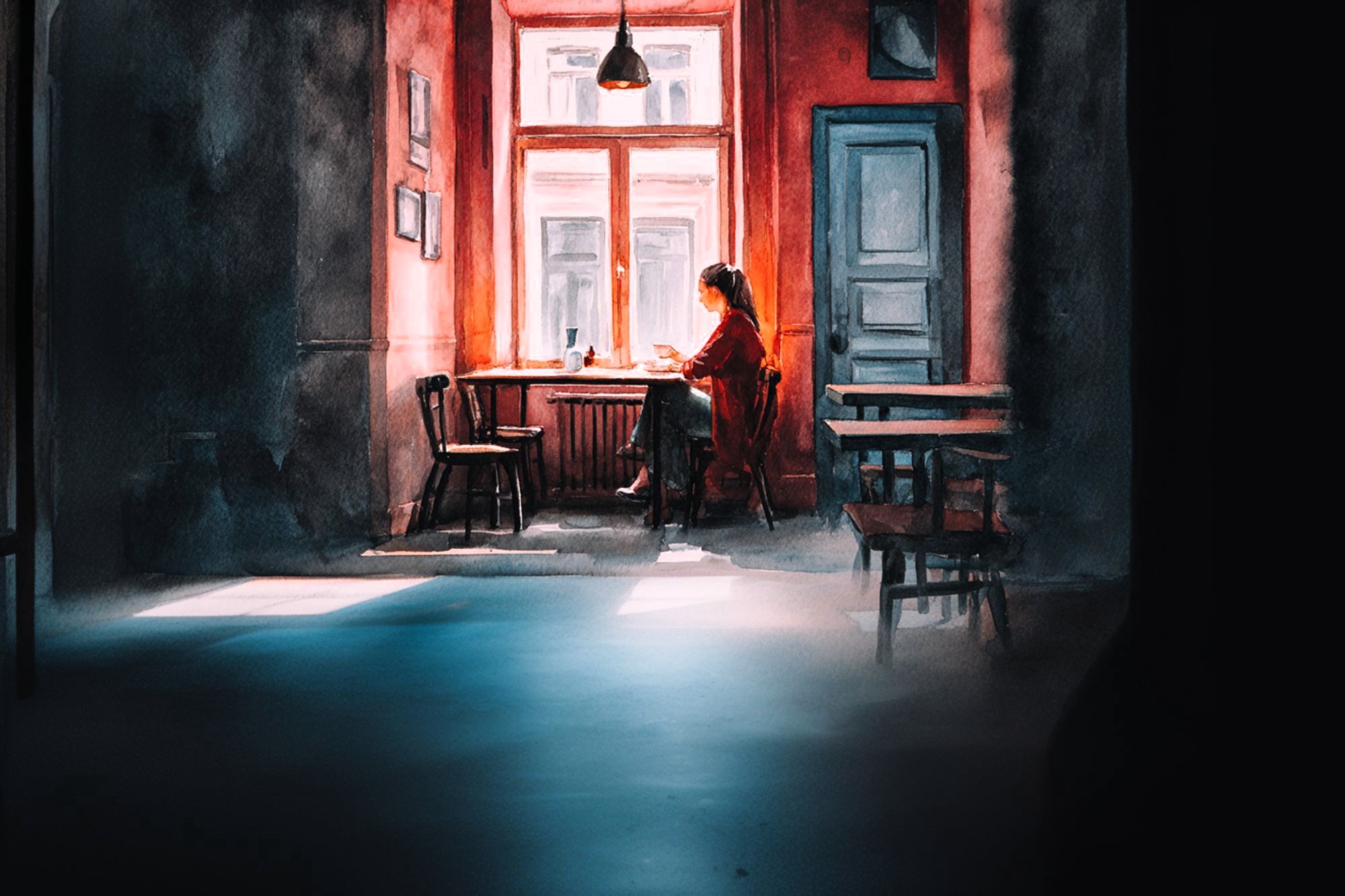
A lot of people — particularly those who are introverted — prefer solitude over spending time in groups. This doesn’t mean that they’re antisocial, but instead enjoy their own company and are selectively social with their favorite individuals.
In contrast, some people prefer to be social and may thrive in groups, but withdraw into themselves as a means of self-preservation. What’s more, they may manage to convince themselves that they naturally prefer isolation in order to avoid facing their demons.
If the following behaviors seem familiar to you, then you may fall into the latter category, and it’s likely you are self-isolating to protect yourself, rather than because you simply like to be alone.
1. Choosing singlehood rather than dating.
If you’ve had negative experiences with your romantic connections, then it’s possible that you’ve eschewed dating in favor of remaining single. You may still have casual relationships with people, but you stop them before they can evolve into actual relationships.
While some people prefer to be single because it allows them to maintain the freedoms they enjoy (i.e., travelling solo without drama, living alone on their own terms, and so on), keeping people at a distance to avoid potential pain is definitely a form of self-protection rather than an innate preference. Deep down, you may yearn for a close relationship with someone you sincerely connect with, but you’re too afraid of getting burned again to risk it.
You’ve eaten enough of that particular cake and are now fasting for the sake of self-preservation.
2. Avoiding sharing much about yourself to others.
I’ve mentioned before that a mantra I learned years ago was “what they don’t know, can’t hurt me.” This is essentially saying that when people know a lot of details about you, they have potential leverage over you. You might have learned that the hard way, such as if someone caused you a great deal of misery because you trusted them with information and they used it to hurt you.
If you’ve experienced betrayal in the past because you’ve had something used against you that you shared quite innocently — even naively — then understandably, you may not share much of anything with anyone, anymore.
Since people are naturally inquisitive and like to ask others questions about them, their lives, their families, and so on, you may have unknowingly decided that the best way to avoid the discomfort of eternally dodging their questions is to avoid them entirely.
3. Ending things before you can be rejected.
This is known as “pre-emptive rejection” and can manifest in several different spheres in your life. For example, if you feel that you may be let go from your job, you may quit before they have a chance to lay you off. Similarly, you might end or sabotage romantic partnerships or friendships with people if you sense that they may be pulling away from you, because it’ll hurt less if you tear the band-aid off first.
There are many problems with this approach, however, not least of all the great potential for misinterpretation. We can’t read people’s minds, and there may be any number of reasons for their behavior that have nothing to do with you. Or the reason could have something to do with you, but be the complete opposite of what you feared.
For example, you may cut someone out of your life because they seem a bit distant, certain that they’re going to abandon you, but then be devastated to discover that they were actually on edge because they were planning something wonderful for you in secret, something you would have loved, and missed out on because you were afraid of what might unfold.
4. Choosing solitary pursuits so you aren’t ostracized.
The idea behind this action is that by choosing fun pursuits that you can do by yourself, you won’t run the risk of getting excluded. This likely stemmed from negative experiences in the past, which you’d prefer not to revisit.
For example, while some people are taught that fun times happen on their own (such as only children who frequently had to amuse themselves), others dearly wanted to be included in group games, sports, and hobbies, only to be rejected and excluded by their peers.
I was smaller for my age when I was a child and was always picked last for sports games. That’s what prompted me to take up calisthenics and weight training as a solo pursuit, both of which have served me well as I’ve gone through life. That doesn’t mean that the desire to play team sports ever went away, but it did take a back burner to things I could do alone.
5. “Dressing down” your attractiveness.
People who have been targets for unwanted attention by others generally learn quickly that they’re less likely to be bothered or otherwise preyed upon if they grey themselves out. Although it’s primarily women who suffer these unwanted advances or worse, it can happen to anyone.
Those who don’t want to be constantly harassed by others often try to diminish their appeal to others in various ways. If you fall into this category, you might choose baggy clothes in muted colors that don’t show off your body shape. Maybe you let your hair get unruly, or choose styles and colors that make you look frumpier than you actually are. Basically, you’ve found that people tend to leave you alone if you blend in with your surroundings rather than standing out.
6. Retreating into solitude to achieve your goals.
An astonishing number of us weren’t able to pursue our goals or aspirations in the past when others were around because they constantly interfered with our ambitions. People who were mocked, belittled, intruded upon, or even intentionally sabotaged learned quickly that the only way they could do what they liked was if they were alone.
As a result, even if you’re in a healthy relationship now and have good friends who only support you rather than impeding your efforts, you may self-isolate as a means of protecting yourself from potential setbacks.
They may not understand why you’re behaving this way, since they completely respect your boundaries and are more than happy to offer support on your terms, however you need it. But this is the only way you feel comfortable and secure enough to fully immerse yourself in your pursuit, and you will continue to do so even if it means potentially damaging your relationships with friends and family members.
7. Having a fortress of solitude where you feel safe.
If you grew up in an environment where you only felt safe when you were alone, then you might have programmed yourself to only be able to relax when you’re in complete solitude.
Maybe you retreated to your room a lot when you were young, or had something like a treehouse or old shack in the woods that was your sanctuary. Now that you’re an adult, you may create a similar “fortress of solitude” where you can retreat to. You don’t allow anyone else in it because it’s yours — the only place that your nervous system can loosen up enough to reset and replenish.
If your home is your fortress, close friends or people you date may feel alienated if you never allow them to come into your safe space. Alternatively, it may cause rifts with your spouse and children if you establish that a room in the house is all yours and become upset if they enter it. You aren’t thinking about how they don’t have evil intentions and have no desire to harm you: your only thought is that your sanctuary is being invaded and you need to protect it, and yourself, by any means necessary.
Final thoughts…
The behaviors listed here aren’t random flights of flippancy that people engage in because they’re a bit fickle. Quite the opposite: they’re usually done by people who have serious trauma from past experiences.
PTSD, abuse, and generally awful situations can make a person both hypervigilant about potential harm and a quick-draw response to anything that they don’t have the mental or emotional bandwidth to handle.
Recognizing where these actions come from can go a long way towards negotiating them in a healthier manner — either on your own, or with help from a trusted therapist.