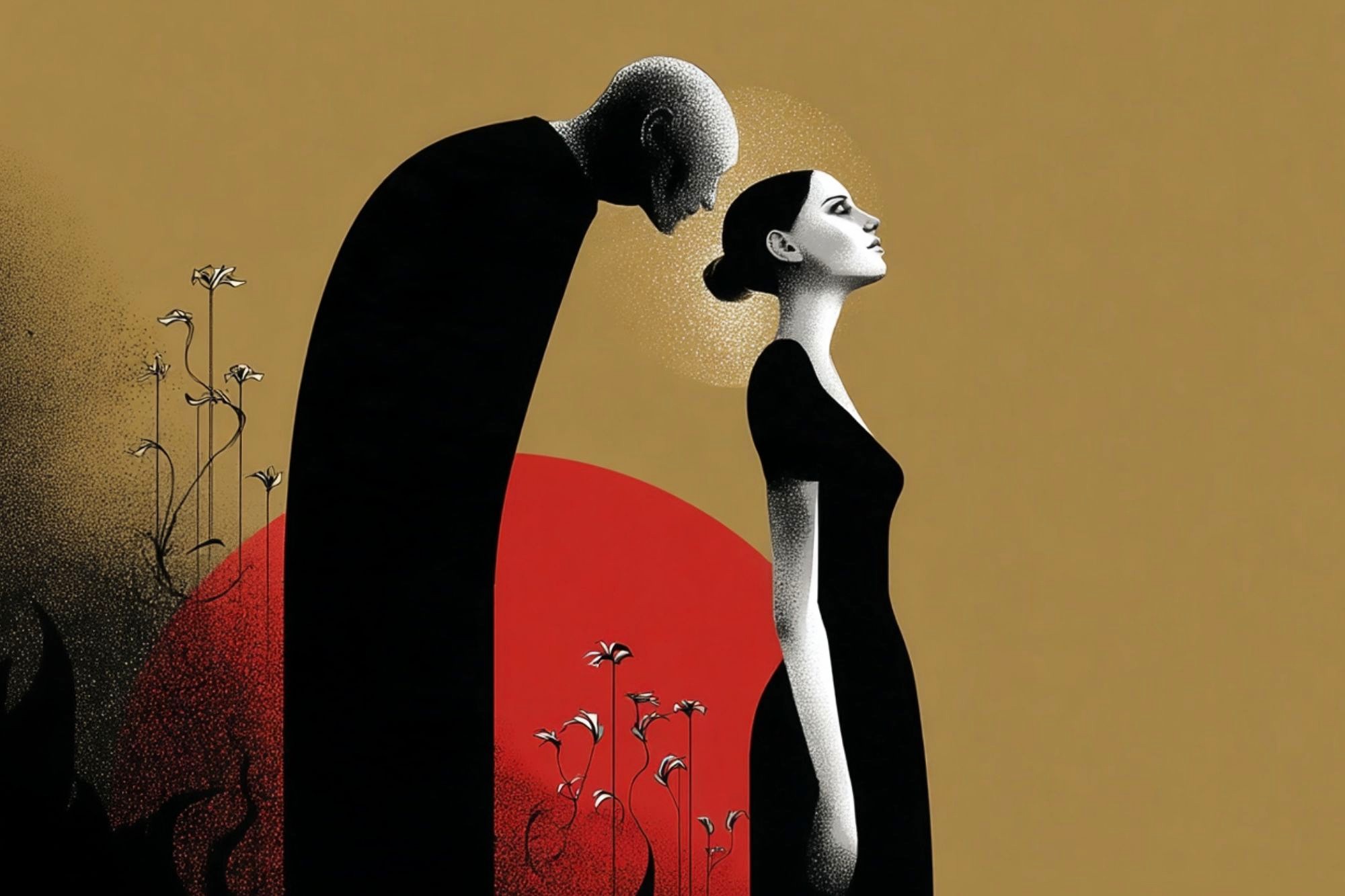
A mother. A father. A friend. A wife. A husband. A boss. A sibling.
There is no particular person who is always the narcissist, but the outcome of narcissistic abuse is always the same: survivors never truly feel seen unless they’re talking with someone else who has been through it.
Every single point below has not only been written by me, they’ve been experienced by me. It’s not a big ask to try to describe what it feels like to be abused by a narcissist; in fact, it’s a pleasure to be able to survive it and help those who have no idea how it feels come away with some idea.
And if you are like me, then I stand beside you in what you went through.
Narcissistic abuse in a nutshell:
Physical, mental, financial, sexual, emotional abuse – sometimes you’ll experience one, sometimes several, sometimes all. Then there’s the neglect to add in, too.
If you tie all of those up with a piece of string, it would encapsulate what a narcissist is capable of. It is all abuse, provided by the one person you were tricked into believing was nice.
The aim of narcissistic abuse is to hollow out the victims: taking them from once joyous to empty and fearful.
Their everyday lives change, and not for the better. Goalposts are moved, love is conditional, and isolation replaces independence.
Narcissists are fragile, though their impeccably built image will tell everyone otherwise. They’re dangerous, often disguised as dashing, and they will never love you, no matter how long you wait, and how much you hope.
Describing what narcissistic abuse is like is one of the hardest things to do, but I’ve never shied away from a challenge.
What narcissistic abuse really feels like:
1. It’s like you’re screaming, and nobody can hear you.
The number of times you can speak of your experiences to someone else, only for them to excuse what you’re saying, refuse to believe you, or outright tell you, “I don’t want to get involved,” is astounding.
I personally have tried to tell people very troubling things about my experience, and I’ve been ghosted or told I am “trying to poison people.”
Meanwhile, you’re living this hell every single day, and the louder you try to speak, the less people hear you. It’s a lonely, desolate experience.
I don’t know if it’s because it’s so hard for people to see the person you’re describing as capable of doing what they do, or because they’re fearful of the consequences of defending the innocent.
Either way, when you aren’t listened to or believed, you can feel desperate, or even as though you are imagining it all yourself.
(Please: do not believe you’re making it up – you’ve just been taught to gaslight yourself).
2. It feels like everything good about you has been stolen.
Thieves are brazen; they take what is yours and keep it for themselves, usually because they don’t have those things to begin with.
A narcissist is no different.
They can’t be happy. They can’t keep real, honest, true friends. They can’t find joy in the little things.
They want to, and they even pretend to, but deep down, they’re constantly sitting with their self-hatred. That’s why these people always keep busy, because to be busy is to be distracted.
They seek out happy people because they view them as full tanks of gas that, over time, they can siphon for themselves.
And in the end, you’re left with nothing while their fragile ego is temporarily boosted by what they have stolen.
Your confidence, your happy nature, your self-esteem, your hobbies, your support system: consider it all gone and replaced with fear and confusion instead.
3. It’s like you entered a terrible, toxic game that you didn’t consent to play.
A narcissist doesn’t see people as people – they see them as participants in their twisted games. But you’re unaware of this at first. You just think you’ve met someone really charming who ticks all your boxes.
They seem genuine and authentic, and they’re paying you all this attention.
Little do you know that you are about to play a game that you never stood a chance of winning.
Of course, it might not be someone you meet. If you’re born into narcissism, you’re a child getting to know your toxic parent. You don’t know right from wrong, what’s healthy and what’s not. The only normal is what you see on a regular enough basis.
And if that’s abuse, that’s the game you’re in from the moment you’re born.
Zero consent, zero awareness until it’s too late and the damage is done.
4. It’s as if you’re constantly waiting for someone to change, while knowing deep down they never will.
You will waste years of your life waiting for someone to change, knowing they evidently won’t.
But the problem with narcissistic abuse is that you’re given these breadcrumbs every now and then, just at the right time.
These breadcrumbs might be compliments, or a bunch of flowers, or a date night. The usual standard of love and affection has become so low that anything will make you feel good.
So you grab those breadcrumbs, cherish them, and wait for the next time the narcissist throws one your way.
Trust me, you can wait for decades. Nothing will change, and you live in the hope that the fantasy version of them you have in your head will someday become reality.
It won’t.
5. It’s as if someone took who you fundamentally are and replaced you with an anxious, empty shell.
There are photos of me as a child where I stand boldly, like a little warrior child. A great big smile on my face, and a confident stance.
These days, I’m more worrier than warrior.
Narcissistic abuse left me forgetting those earlier years, because so many that came after involved someone chipping away at me.
Before I knew it, I was an adult, afraid to take opportunities that I really wanted, because it was drummed into me that I wouldn’t make it. Then when I didn’t take those opportunities, I was told that I wasted them; wasted my life.
I couldn’t win either way – whatever I did was wrong.
It wasn’t that I had grown out of my confidence; it was as if it just disappeared.
As I grew older, I realized that was wrong – it had, in fact, been taken from me. Now I am anxious, I struggle to sleep, I grapple with overthinking, and I doubt myself.
Believe it or not, this is a better version than I was a decade ago.
It’s the same for anyone who spends enough time around a narcissist. They want what you are, and they don’t care what it takes to get it.
6. Nobody believes you when you speak up, and nobody wants to hear about it, usually because of fear or smear.
If you’re reading this and you know me, you will know whether this is you or not.
Mentioning no names, there are droves of people who chose not to believe me, or who witnessed what getting on the wrong side of the narcissist had done to me, and didn’t want the same fate.
And so, I heard “I don’t want to hear about it.” “I don’t discuss family issues.” “What goes on in your life is none of my business.”
Have you ever felt so alone that your chest aches? That’s how it feels.
It takes so much strength and courage for people to speak up after years of narcissistic abuse where you’ve been convinced that you’re the problem.
Then you’re looked at by these people the narcissist has clearly got to with their smear campaign, and you’re the bad guy.
The smear campaign started as soon as the narcissist felt they were losing control of you, and now it’s too late.
Your name is already mud.
“I know him. He’s a really nice guy.”
“I’ve never noticed that about him.”
No, of course they haven’t.
That’s because narcissists are always a step ahead, and they know who to perform for and who to punish.
7. It’s grieving the time you lost, the relationship you wanted, and the version of you the narcissist took away.
That’s a lot, right?
Grief is never just reserved for the dead; you can grieve for anything you’ve lost, even down to the idea of someone you were sold through their deceit and charm.
You wanted your happy-ever-after, and instead you were mis-sold love.
The time you lose to a narcissist doesn’t just stop when you walk away, either. It can last for years after as you come to terms with what happened and how much you believed in their promises.
Imagine having to grieve all of that while that person is still living and breathing?
Final thoughts…
Living a life post-abuse can feel somewhat liberating.
You survived. Hopefully you are now also thriving.
But at times, it doesn’t feel that way at all. Often your energy is diverted to a trigger or memory that takes you back to a time or a person you’d rather not remember. You still have to check in with your nervous system. You still have to tell yourself it’s okay to relax.
And if you know what it feels like, I stand beside you.
We have each other.