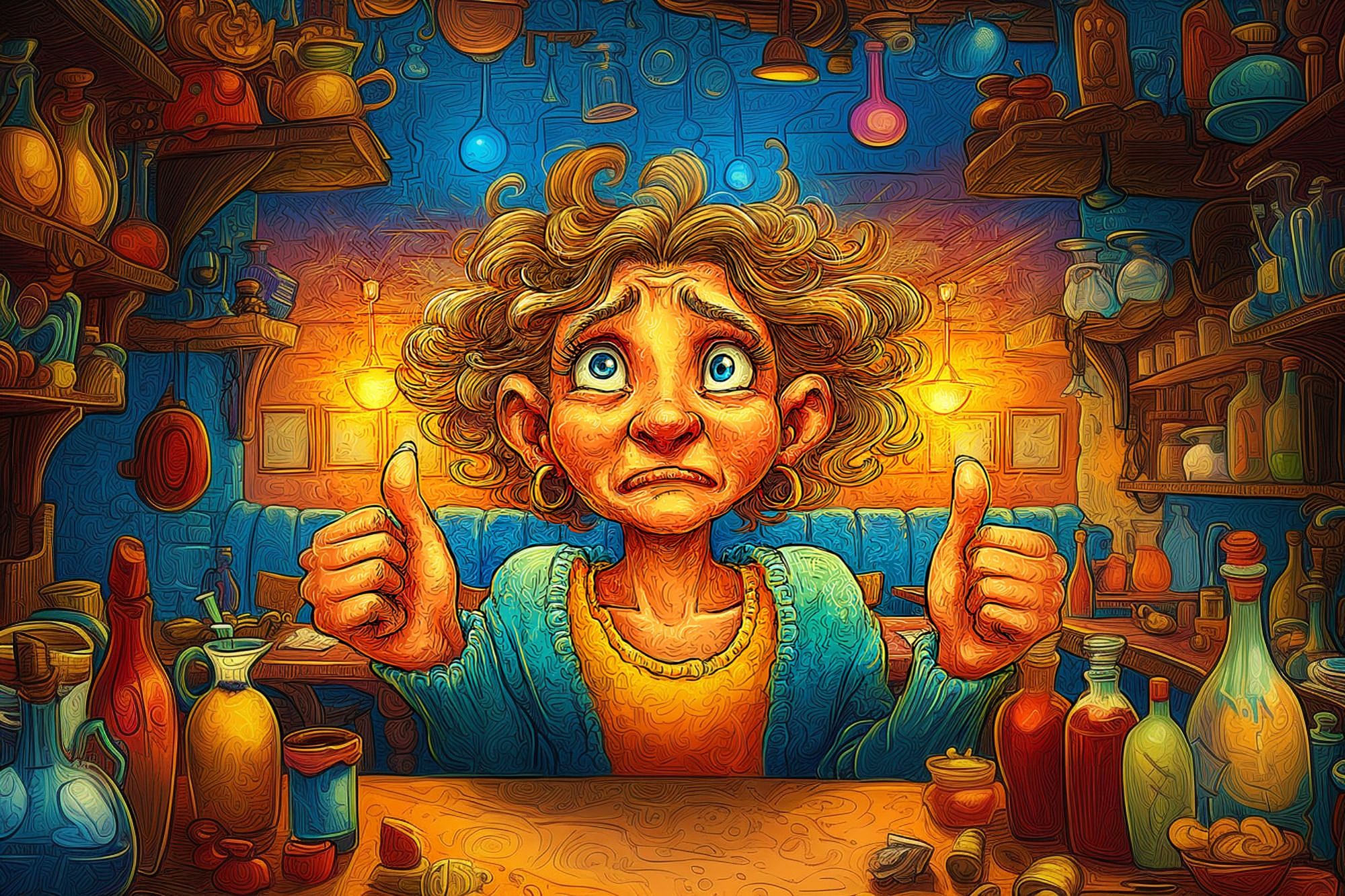
What’s wrong with being a good girl, you may ask? On the surface, nothing. Good girls get praised, win approval, and make everyone around them comfortable. But scratch beneath that polished exterior and you’ll find something psychologists call “good girl syndrome.”
It’s a pattern of behavior that develops when children learn their worth depends on keeping others happy, saying yes when they mean no, and putting everyone else’s needs first.
These aren’t (usually) conscious lessons taught in classrooms; they’re messages that are absorbed through countless small interactions that reward girls’ compliance over their authenticity.
And when someone spends their formative years perfecting the art of being agreeable and conflict-free, those patterns follow them into adulthood, often with devastating effects.
1. They can’t say no without feeling like a terrible person.
We all know this woman. Hell, most of us ARE this woman. Someone asks us for help, and regardless of our capacity, we say yes. We often know we should say no – we’re already drowning, barely keeping our own head above water – yet somehow “no” feels impossible to say.
You may not even be aware of it, but often your brain is a whirl of spiralling thoughts at this point: “I should help out… but I’m so exhausted… but what will they think if I say no… they’ll think I’m selfish… maybe I can squeeze it in somehow… I don’t want them to be disappointed…” Meanwhile, your mouth is already saying yes.
Women with good girl syndrome learned early that disappointing people was catastrophic. They absorbed messages that saying no meant being difficult, uncaring, or selfish. The result? Lives filled with obligations they resent and relationships built on what they can do for others rather than who they actually are.
2. They smile while dying inside, which often results in pent-up emotions that eventually come out.
This is the sort of woman who’s smiling and nodding while you can practically see her soul screaming behind her eyes. She agrees when she wants to object, laughs off hurt when she wants to cry, and maintains that pleasant exterior no matter what’s happening internally.
The reason being, is that women with good girl syndrome are shown from an early age that certain emotions are unacceptable. Anger makes them difficult. Sadness makes them dramatic. Frustration makes them ungrateful. So they became masters of emotional suppression, shoving feelings down and slapping on a smile.
But we all know that suppressed emotions don’t just disappear. They go underground and cause absolute havoc. They leak out as passive-aggressive comments, sudden explosive outbursts over tiny things, mysterious physical symptoms, or complete emotional numbness. And when the inevitable eruption happens, these women are flooded with shame for “losing control.”
3. They feel like frauds even when they’re genuinely successful.
Hands up if you’ve ever felt like a fraud waiting to be found out, even when you’re objectively successful and competent. If your hand is up, you’re experiencing one of the most common side effects of good girl syndrome – the persistent belief that you’ve somehow fooled everyone and don’t deserve your achievements.
This stems from those early messages about not being “too much” or taking up too much space. Good girls learned to deflect compliments, minimize their accomplishments, and attribute success to luck rather than skill. Being seen as capable or accomplished felt dangerous – too much like bragging, too much like being full of yourself.
These women spend enormous mental energy on self-doubt instead of growth, constantly second-guessing and over-preparing for everything. It’s exhausting.
Something I find helps to give perspective is the knowledge that if you’re worried about being an imposter, you’re probably not one. Real impostors don’t lose sleep over their competence or spend hours preparing to prove their worth.
4. They’re exhausted from trying to be perfect all the time.
These women learned that approval was conditional on performance. Mistakes meant disappointing people, and disappointing people felt like the end of the world. So perfection stopped being a goal and became a survival strategy – the only way to ensure they remained lovable and acceptable.
The often-unconscious internal monologue never stops: “What if they think this is stupid? What if I missed something? What if it’s not good enough? Maybe I should check it one more time… and one more time… and just one more time…” It’s mental torture disguised as conscientiousness.
But the thing is, perfectionism is a myth. You can do your very best at something, and someone still won’t be satisfied. That’s just life. It can take time to undo this perfectionist mentality, I should know, but when you finally realize that good enough really is good enough, it’s so freeing.
5. They have no idea about their personal preferences and struggle with decision paralysis.
“Where do you want to go for dinner?” It’s such a simple question until you realize you genuinely have no idea. Not because you’re being polite or accommodating, but because that voice inside that says “I want” has been silent for so long you can barely hear it anymore.
When you spend your formative years becoming an expert at reading rooms, anticipating needs, and adapting to everyone else’s preferences, you never develop the skill of tuning into your own desires. From a young age, many girls learn that harmony is their responsibility, which means their wants always take a backseat.
The decision paralysis goes way beyond restaurant choices, though. Career paths might get chosen based on what looks good to parents or sounds impressive to others. Relationships continue because ending them would upset people, not because they’re actually fulfilling.
And the worst part is that many women don’t even realize what they’ve lost until midlife hits and they look around thinking, “Whose life am I living? Because this doesn’t feel like mine.”
6. Their bodies pay the price through physical illness and pain.
The physical toll of good girl syndrome is real, measurable, and often completely ignored by the women experiencing it. It was my own journey with chronic pain that got me so interested in good girl conditioning.
When you spend your life hypervigilant to everyone else’s needs while suppressing your own emotions and reactions, your body keeps the score. The threat response system stays constantly activated, scanning for signs of disapproval, potential conflict, or disappointment in others. This level of hypervigilance is exhausting and completely unsustainable.
Chronic tension, digestive issues, insomnia, mysterious aches and pains – these become the background soundtrack of these women’s lives. And when their bodies finally demand attention through illness or injury, they apologize to their doctors for taking up time and minimize their symptoms to avoid seeming like complainers.
The same conditioning that created the stress actively prevents them from addressing it. They’ll push through migraines, work while sick, and ignore clear signals that their bodies are breaking down under the pressure. Rest feels selfish. Self-care feels indulgent. And so the cycle continues until something forces them to stop. And trust me, it will eventually.
7. They feel guilty for having basic human needs.
This is the woman who apologizes for being sick. Or who makes excuses for needing alone time like it’s some kind of character flaw. If you don’t know her personally, check a mirror – she might be looking back at you.
This is one of the cruelest consequences of good girl conditioning. Many women learn that other people’s comfort matters more than their own existence. They internalize the message that having needs makes them burdensome, demanding, or high-maintenance. The result? Adults who feel genuine shame for taking up space in the world.
Having needs doesn’t make you needy. It makes you human. But try telling that to someone who’s spent a lifetime being taught otherwise.
8. They keep attracting people who take advantage of their kindness.
If you’re wondering why you keep ending up in unequal or even one-sided relationships or friendships, here’s your answer. An inability to set boundaries, a compulsive need to help, and the fear of conflict make a person irresistible to anyone looking for someone to manage their emotional, practical, or financial needs.
Women who were raised as good girls often mistake being needed for being loved. If someone depends on them, surely that means they matter, right? Well, maybe. But there’s a crucial difference between someone who values your presence and someone who values your services. Plus, you matter just because you exist. Your worth isn’t based on what you can give others.
9. They’ve lost themselves trying to be who everyone else wanted.
This might be the most devastating consequence of all. When you spend decades people-pleasing, you lose track of who you actually are underneath all that accommodation.
These women might have what looks like successful lives on paper: stable relationships, decent careers, nice homes, well-behaved children. But inside, there’s this growing emptiness, this sense of being an actress playing a role rather than a person living authentically.
They may start having thoughts they’ve never had before: “Who am I when I’m not taking care of everyone else? What do I actually want when nobody else’s opinion matters?”
The awakening is simultaneously liberating and terrifying. There’s grief for all the choices made to please others, anger at the time lost, and genuine fear about who they might be if they stop being who everyone expects. Recovery involves carefully digging through layers of others’ expectations to uncover authentic preferences, real opinions, and genuine desires.
Final thoughts…
The journey from “good girl” to authentic woman isn’t about becoming selfish or difficult – those are just the labels used to keep women small and compliant. It’s about learning that your needs matter, your feelings are valid, and your authentic self is worthy of love and respect.
Yes, some people will be uncomfortable when you stop being endlessly accommodating. That’s not your problem to fix. The women who break free from these patterns don’t become worse people; they become real people. And that realness, uncomfortable as it might feel to others initially, becomes the foundation for genuine relationships and actual fulfillment.