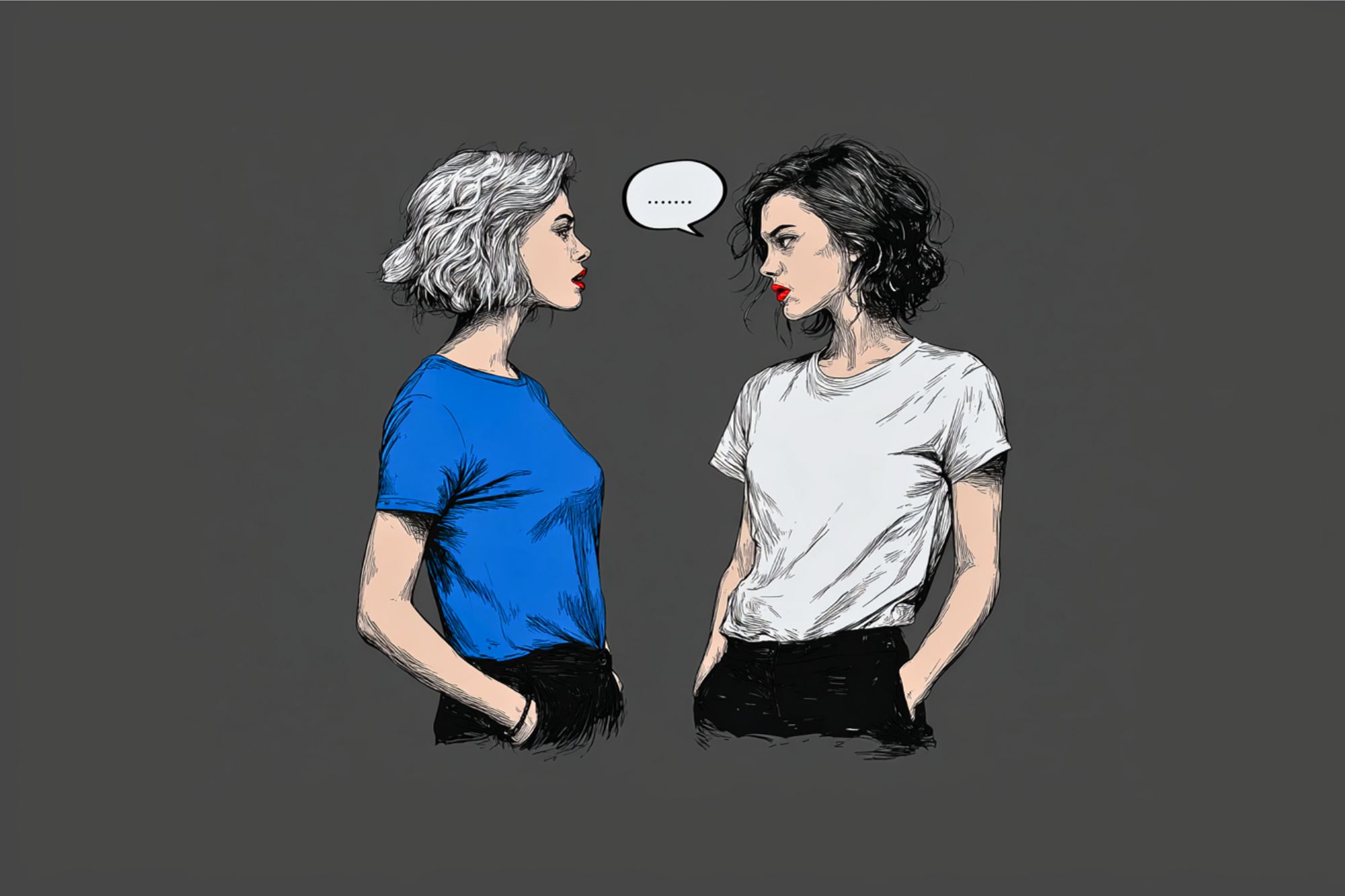
Some words cut deeper than they sound. They may come wrapped in politeness, humor, or even concern. But underneath, something less kind often lingers.
These phrases don’t shout cruelty. They whisper it. And that’s what makes them so tricky. On the surface, they sound innocent. You start to wonder if you’re being too sensitive or reading too much into what was said. It’s enough to make you question your perception.
Below are seven types of phrases that seem harmless but often hide cruel intentions. Knowing them can help you stop second-guessing yourself, protect your peace, and respond with clarity instead of confusion.
1. The hidden edge of passive-aggressive comments.
Passive-aggressive comments sound polite on the surface, but they carry a subtle hostility underneath. You know, when someone says one thing but means something completely different, often expressing frustration, anger, or resentment in roundabout ways instead of being direct?
This kind of communication is confusing because it forces you to read between the lines. You can sense something is off, though you can’t quite point to what. Somehow, it still feels like your job to figure out the problem or hidden meaning. Over time, this chips away at trust and makes honest conversations nearly impossible.
Instead of solving problems, both people end up dancing around them, stuck in silence or sarcasm that slowly turns into resentment.
What makes passive-aggressive comments so cruel is their intent. They let the speaker avoid confrontation while still releasing their negative feelings. It’s a way to stay in control and punish you without ever admitting they’re upset.
Here are a few examples of how they may play out in everyday life:
- “Must be nice to have that kind of free time.”
Pretends to admire someone’s situation while implying laziness or unfairness.
- “Fine.” or “Whatever.”
Short replies that shut down further communication while signaling anger or irritation.
- “I didn’t think it was a big deal since you didn’t say anything.”
A subtle way to shift blame and avoid taking responsibility.
These phrases may sound harmless, but their sting comes from what’s not being said. It’s a subtle form of cruelty that keeps you guessing while the other person hides behind a smile.
2. The sharp side of backhanded compliments.
Backhanded compliments are essentially insults in disguise. They often come from people who want to criticize you without seeming unkind. They sound like praise, but there’s a gentle sting tucked inside. For instance, someone might compliment your appearance, skills, or achievements, then slip in a small jab that leaves you unsure whether to say “thank you” or walk away.
You might smile at first, only to realize seconds later that something about what was said doesn’t feel right. Over time, these moments can chip away at your confidence and make you question how others see you.
The cruelty behind backhanded compliments often comes from insecurity or jealousy. The speaker wants to bring you down a notch without seeming rude or overt. It’s a subtle way of saying, “I see your strength, but I need to remind you not to feel too proud of it.” In some cases, they genuinely don’t realize how their words sound, but the effect is the same. You walk away feeling small.
Here are a few examples of how these “compliments” might show up:
- “You look so much better now than you used to.”
A reminder that you didn’t look good before.
- “I wish I had your confidence to wear something like that.”
A polite way of saying they wouldn’t be caught wearing it.
- “I’m surprised you actually pulled that off.”
Their expectations of you were much lower than what you managed to pull off.
Backhanded compliments may sound kind, but they’re really small acts of emotional sabotage. They leave the speaker feeling superior while leaving you second-guessing yourself.
3. The subtle harm of everyday microaggressions.
Sometimes cruelty doesn’t sound cruel at all. It slips out as a question, or a “curious” remark that seems polite on the surface. Yet underneath, there’s an unpleasant assumption.
That’s what makes microaggressions so damaging. Experts tell us they’re subtle, often automatic comments or behaviors that reveal bias toward someone because of their race, gender, age, body, or background.
These comments might not sound offensive in isolation, but their meaning runs deeper. For example, a person might say something like, “You’re so well-spoken for a {insert demographic},” thinking it’s praise. In truth, it implies surprise that someone like you from that demographic could be intelligent or articulate.
At face value, these comments might seem too small to call out. But together, they send a clear message: You’re different. You don’t quite belong. Over time, that message chips away at your confidence and dignity.
Many people say these things out of ignorance, but others use them to quietly assert superiority or control the social balance without appearing unkind. Either way, the harm is real.
Here are a few examples of how microaggressions show up in everyday life:
- “Wow, you’re awfully pretty for a deaf girl.”
Frames beauty through a biased lens.
- “You don’t look gay.”
Assumes there’s a right or wrong way to exist.
- “You’re so emotional. It must be that time of the month.”
Reduces feelings to hormones.
Microaggressions are often dismissed as harmless, but they leave lasting marks. They remind people that acceptance can still come with strings attached.
4. The deceptive nature of gaslighting phrases.
Gaslighting is one of the most damaging forms of emotional manipulation there is because it distorts reality itself. It happens when someone makes you question your own memory, perception, or even sanity.
For example, you might clearly remember an event, but they’ll insist it didn’t happen. Or they’ll tell the story in a way that makes you doubt your own version of it.
At first, it’ll start as a small disagreement. But over time, you begin to second-guess everything you think, say, and feel. That confusion is the point. Gaslighting keeps you off balance and dependent on the other person’s version of events. The harm runs deep because it chips away at your ability to trust yourself. You stop feeling grounded in your own reality.
What’s cruel about gaslighting is that it’s not always done with raised voices or open hostility. Sometimes it comes wrapped in soft, caring words meant to disarm you. “I would never hurt you,” or “You’re imagining things,” can sound gentle, but they’re tools meant to control and silence you.
Gaslighting often hides behind love, concern, or reason. The real goal is control. It lets the person gaslighting you rewrite what really happened and avoid accountability, all the while making you carry the blame for their actions.
Here are a few ways gaslighting might sound in everyday life:
- “You’re overreacting. It wasn’t that serious.”
Minimizes your feelings and tells you your emotions aren’t valid.
- “That never happened. You’re remembering it wrong.”
Denies your experience and replaces it with their version of events.
- “You know I only said that because I care about you.”
Uses affection as a cover for manipulation or control.
Gaslighting is a cruel tactic that leaves you doubting your mind and your worth.
5. The dark intent behind negging.
Negging is similar to giving backhanded compliments, but it differs in that it’s used to manipulate or control a person. According to Very Well Mind, the goal is simple: to chip away at your confidence and make you doubt yourself so that you’ll seek validation from the person who knocked you down.
This tactic is common in dating and relationships. However, it can appear anywhere, such as at work, in friendships, or even within families.
What makes it so harmful is how it plays with your emotions. The person lifts you up one moment and knocks you down the next, keeping you unsure of where exactly you stand. That confusion creates dependence. You start looking to them for approval, hoping for real validation that rarely comes.
The person using it is not trying to build a connection, be playful, or funny. Rather, they’re trying to gain power over you by lowering your confidence. By using this tactic, they believe it’ll be easier to gain influence over you.
Here are a few examples of how negging might sound:
“You’re not like most women; you’re actually cool.”
Disguises an insult toward other women while making you crave their approval.
“I usually go for people who are more fit, but you have a great smile.”
Praise one trait while cutting down another to keep you insecure.
“Wow, I didn’t expect you to be so smart.”
Pretends to admire you while implying low expectations.
Be warned. Negging is subtle, but its effects are not.
6. The quiet control of politeness.
Politeness is often seen as a mark of respect or good character. It’s about being well-spoken, gracious, and considerate.
But sometimes, politeness isn’t about kindness at all. Believe it or not, it can become a form of control. A way of disguising cruelty behind charm. When used this way, politeness doesn’t build a connection or foster a relationship. It hides manipulation.
A person might use “nice” words, a soft tone, and perfect manners, not to show respect, but to keep you in your place. They’ll never raise their voice or say something outright mean. That would be too obvious. However, their words will leave you feeling small or dismissed.
This form of control is harmful because it silences people. The target is often made to feel that pushing back would be “rude” or “overreacting.” So, they stay quiet. Meanwhile, the polite manipulator maintains their image of grace and dignity while subtly undermining others.
What makes this behavior so deceptive is the motive behind it. It’s not about genuine respect or consideration. Instead, it’s about maintaining superiority over you. The person uses civility as a mask for judgment or exclusion. That makes it hard to call out their behavior since it all appears so proper.
Here are a few ways weaponized politeness might sound:
- “Bless your heart, you really tried.”
Sounds caring, but actually dismisses your effort.
- “We just assumed you wouldn’t be comfortable at this kind of event.”
Sounds considerate, but it’s actually a way to make decisions on someone’s behalf and exclude them under the guise of care.
- “You’re very outspoken. That’s… refreshing.”
Pretends to be complimentary while implying that speaking up is unusual or improper.
Politeness used in this way hides behind smiles and soft tones. Yet underneath all the grace is the same cruel intent as any insult meant to keep you under control and remind others who holds the power.
7. The emotional grip of moral manipulation.
Moral manipulation happens when someone uses guilt, shame, or a sense of “right and wrong” to control your choices. It’s when moral values stop being a guide and start becoming a leash.
This kind of manipulation often shows up in relationships, families, or workplaces where one person assumes the role of moral authority. This person decides what’s “good,” what’s “bad,” and who’s to blame. On the surface, it might look like guidance or concern. But underneath, it’s about power.
What makes moral manipulation so harmful is how deeply it cuts. It attacks your sense of self, not just your actions. When someone constantly questions your morals or motives, you begin to feel ashamed for even thinking differently. Over time, you may start doubting your own goodness. You may even start to believe that being yourself is somehow wrong.
The person uses guilt or virtue to make you comply. You’re not just pressured to act a certain way; you’re made to feel like a bad person if you don’t.
Here are a few ways moral manipulation might sound:
- “You’re the only good friend I have left. Everyone else abandoned me.”
You’re made to feel morally obligated to stay, even when the friendship feels one-sided.
- “If you were a real friend, you’d help me out.”
Refusal is framed as a moral flaw rather than a boundary.
- “A good daughter honors her parents.”
Moral or religious ideals are used to demand obedience, not mutual respect.
Moral manipulation is especially damaging because it hides behind righteousness. It convinces you that compliance equals goodness and resistance equals guilt or shame. But true morality doesn’t demand control. It allows room for freedom, empathy, and truth.
Final thoughts…
Whether it hides behind charm, politeness, or moral concern, the goal remains the same: to control, diminish, or silence you.
The danger lies in how ordinary it looks and how it makes you question yourself. That’s what makes it so powerful.
Recognizing these hidden forms of cruelty reminds us that words can wound as deeply as actions, especially when they’re wrapped in civility. And awareness is the first step toward breaking their hold.