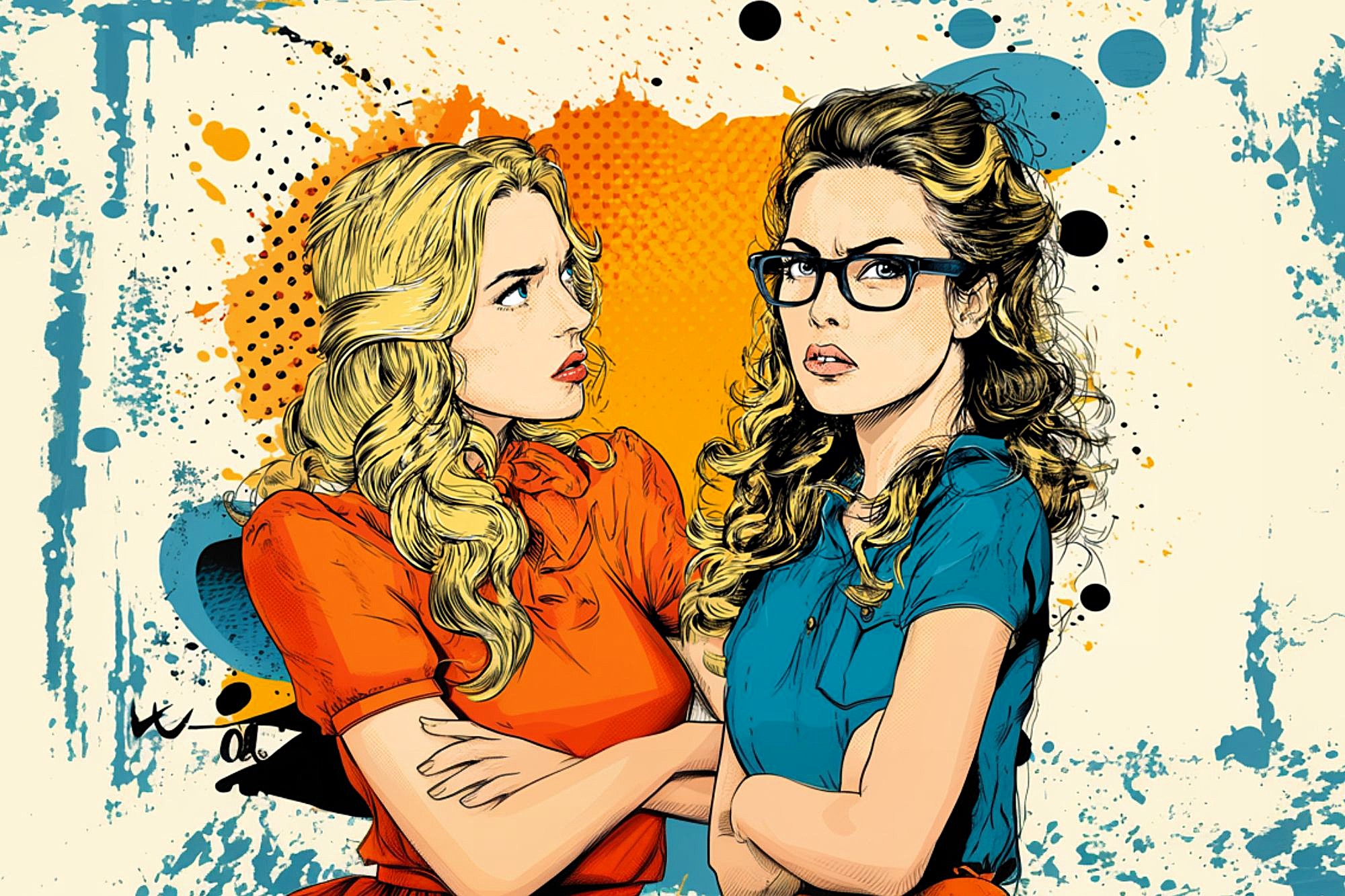
What to do when someone is hurt by your actions, but you genuinely don’t understand what you did wrong
Have you ever hurt someone completely unintentionally? I have. As a person on the autistic spectrum, I didn’t understand neurotypical social skills for a long time. I had to proactively learn a lot of the subtle nuances of mainstream socialization and interpersonal relationships through observation, book reading, and trial and error.
Let me share with you a process I would have found immensely helpful when I was struggling to figure things out. Maybe that way you can avoid some of the difficulties I experienced when I unintentionally offended people and didn’t realize why.
1. Resist the urge to defend yourself.
As the conflict occurs, you will likely feel yourself becoming angry or defensive. As Psychology Today shares, anger is often a useful tool to defend yourself. However, it may not be the right tool for the moment because you’re trying to fix an issue you’re unsure of.
You did something, you’re not sure what, and they’re angry at you about it. It’s only reasonable that you would respond with defensiveness, right? Well, it’s reasonable, but it’s not the right choice. Your defensiveness will make the conversation much more difficult, so you want to avoid it.
Take a deep breath, and remind yourself that it’s not about you right now. You might have made a mistake, you want to fix it, and that’s okay. If they’re still talking to you, that’s a good thing! A bad enough mistake and they won’t be.
Approach the situation with curiosity rather than defensiveness. This is a learning experience, even if it makes you feel anxious and defensive.
2. Acknowledge their feelings without admitting guilt – yet.
Do not just apologize immediately! Yes, they’re angry. Yes, you can tell you did something that upset them. However, you need to know what you did wrong before you can accept responsibility for it. If you apologize before that, they won’t believe that you’re sincere. Instead, they will assume that you’re just trying to placate them.
Instead, approach the situation softly. What I do is face the person and hold up my hands as if in surrender to communicate open body language, and say, “Whoa. It appears that I’ve pissed you off for some reason! I’m not sure what I did, but can we talk about it? I wasn’t trying to offend you.”
3. Listen intently to understand, then consider your reply.
Practice active listening. As Simply Psychology informs us, active listening is not just hearing someone; it is striving to put yourself in their shoes, identify with their feelings, and truly understand what they’re communicating on all levels.
Put down your phone, turn off the television, and give them your undivided attention. Do not think about your own emotions or what to say just yet. Instead, just listen and take in what they have to tell you.
Once you do, take the time you need to think before responding. It’s alright if there is some silence. It may feel uncomfortable, but it’s okay; a little discomfort isn’t going to kill you. If it helps, look at the discomfort as a good thing, because it signifies a point of growth in your friendship and socialization.
4. Respond with a reflection of their words.
Rephrase their issue back to them in a way you understand, in your own words. That will ensure that the communication is a two-way street and will confirm to them that you are hearing and understanding them. And, if they don’t feel it’s right, they can then correct you.
This is a more important step than a lot of people think. If you are truly sorry and want to mend the breach, then it is important that they know that you understand how you messed up. Otherwise, any kind of apology is going to feel superficial and forced.
5. Share your perspective calmly and factually.
Next, you will want to share your perspective so they can better understand what you were trying to say or accomplish. Focus on the facts and speak with calmness and clarity. If you fire back with anger and defensiveness, they’re going to respond with more anger and defensiveness, and the whole thing is going to go down in flames.
Give them an opportunity to process your words and provide any feedback that they might have. That will ensure that you’re both heard, and any misunderstandings can be smoothed out. They may see your reasoning at that point and decide they were wrong, or they may stick to what they felt before.
6. Offer an apology – even if you didn’t intend to hurt them.
An apology isn’t saying “I’m a bad person.” An apology is acknowledging that something you did caused the other person distress or harm, intentional or not. Everyone makes mistakes, and how we respond to those mistakes is what matters. If your words or actions caused them harm or distress, it may not be your fault, but it is your responsibility.
A good apology doesn’t make excuses, and it never uses the word “but” or places blame back on the other person, even if you think they’re misunderstanding you. That’s another flashpoint that can cause the conversation to break down.
“I’m sorry my words hurt you. It was not my intention to be hurtful. How can I fix it?”
Simple. Right?
7. Make a plan to prevent it from happening again.
Some mistakes don’t need plans to keep them from happening again. However, if it’s a habit that is harmful, then you want to consider adjusting how you do what you do. For example, maybe you called someone by a word they don’t approve of. Like many women don’t appreciate being referred to as “females” because of the venom associated with the word in anti-woman circles.
If they should find something like that offensive, then you’ll need to consider whether or not to remove that use from your vocabulary. You can’t expect them to be okay with something they find offensive or hurtful, even if it’s unintentional or you don’t mean it in a harmful way. What matters most in that situation is their feelings.
8. Consider whether your action has been otherwise harmful.
This may not be the first time you accidentally caused offense or a problem for someone. Consider other situations that involved the same circumstances as this one. Are there other times in your life where you accidentally hurt someone in a similar way? Why did it happen? Did you misspeak? Misinterpret words or an action? What caused you to make the decisions that you did in all of those situations?
Finally, ask yourself if this is a continued and repeated problem or if it just appears to be a one-time issue. Misunderstandings happen, and it may not be because you were wrong. Instead, the other person may have just misunderstood what you said or the intent behind your actions. In those instances, you may not need to make any changes to how you do things.
Final thoughts…
Understand that sometimes you can accidentally touch sensitive spots on another person. Their offense may not have anything to do with you, and instead may be caused by some pain they are hiding from the world. If you can keep that in mind, it makes disagreements much easier, because we can never know what someone is carrying.
In circumstances like that, I find that it is better to be kind than to be right. I like to give the person the space they need to express themselves, which allows us an opportunity to come together to find a solution. You may not be wrong, but that doesn’t mean it wasn’t hurtful to them, and that’s okay. Both things can be true at the same time.