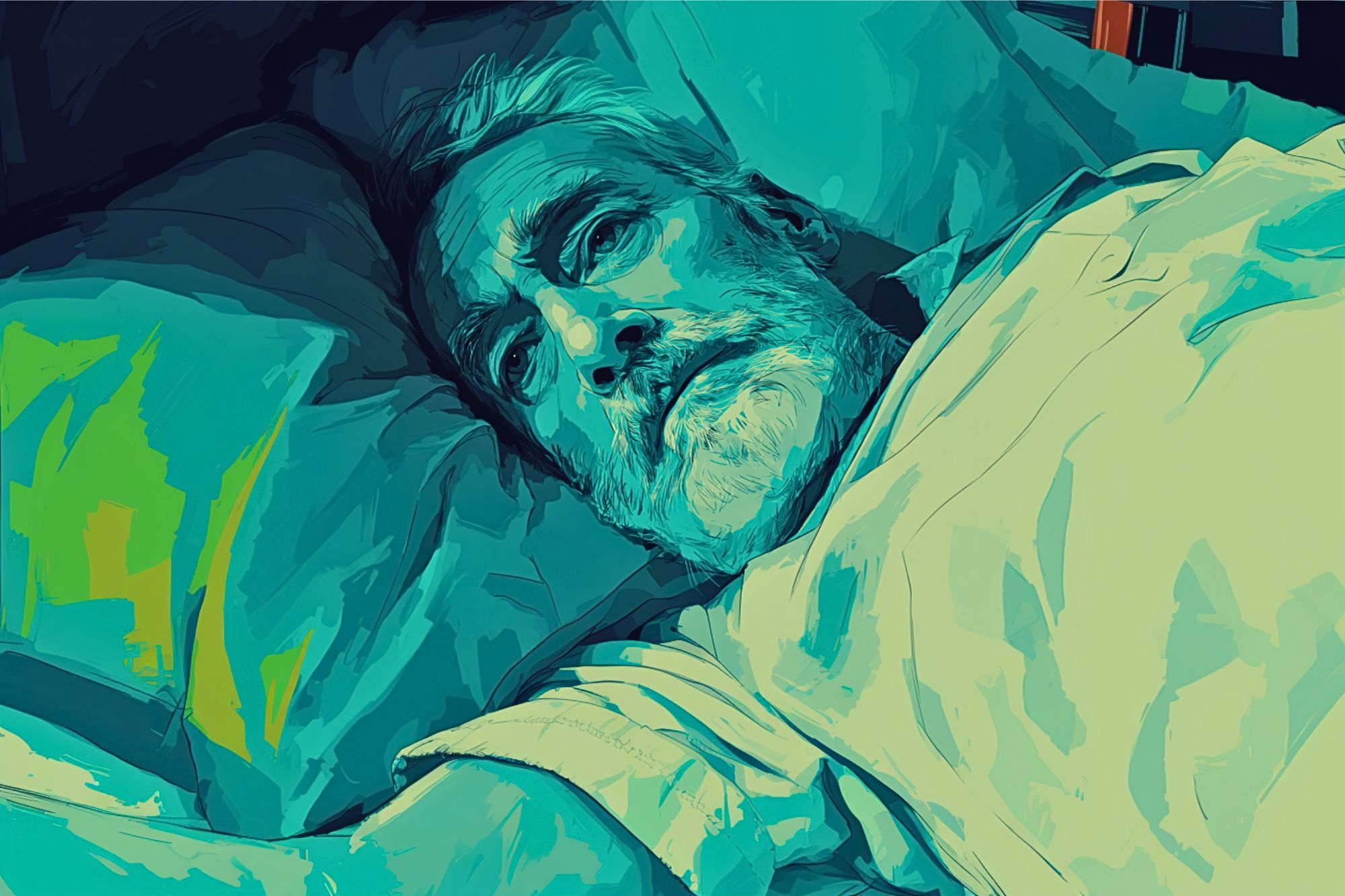
We spend forty years looking forward to it. The freedom, the relaxation, the chance to finally do what we want when we want. Retirement is supposed to be the reward for all those early mornings, difficult bosses, and years of grinding it out.
But for many retirees, they get there, and something feels… wrong. Instead of contentment, there’s a heaviness they can’t quite shake. They might have never struggled with depression before. So why now?
Here are 8 common reasons many retirees struggle with their newfound freedom. Identifying them early and making proactive changes is key to ensuring they don’t turn into a much bigger problem.
1. Your identity disappears overnight.
For decades, you were someone. A teacher, a plumber, an accountant, a manager, a nurse. When people asked what you did, you had an answer that meant something. Your work gave you a label, a place in the world, a way to introduce yourself.
Then you retired, and that’s just gone.
It’s not dramatic to feel unmoored by this. It’s a common experience for retirees. Your brain spent forty years building itself around work. Work made you necessary. People relied on you. Now? You’re optional. It can hurt to realize that the world carries on fine without you. This change to your identity can cause confusion, low self-esteem, anxiety, and a feeling of being lost, all of which contribute to low mood.
That’s why it’s so important to start building an identity outside work before you retire. Not six months before—years before. Volunteering in something that matters to you. Developing skills unrelated to your career. Becoming known for something other than your job title.
And if you haven’t done that, it’s not too late to start after retirement. You can actively create roles where you’re needed—mentoring, community projects, even part-time work if that’s what gives you purpose. The identity won’t rebuild itself. You have to construct it deliberately, brick by brick, until “I’m retired” stops feeling like an ending.
2. The daily human connection vanishes.
For most people, a working life means daily socialization. You might not love your colleagues. You might not even like them. Perhaps Janet from accounts talks too much, and Mark’s jokes aren’t funny. But every day, you have people. You have small conversations that don’t mean anything except that you aren’t alone.
Once those daily conversations are gone, the silence can be heavy for many retirees. Those little interactions were keeping them tethered to the world. Their brains were getting regular hits of human contact without actually having to arrange anything.
For many people, work friendships were just that. It often turns out you were only friends because you were trapped in the same building five days a week, not because you had that much in common. The shared context is gone, and so are they. And even if they were “real” friends, they have their own busy lives to live, and most of them will still be working.
Loneliness is one of the key contributors to depression in older adults, so it’s no surprise that the dramatic shift in socialization that comes with retirement can have such a big impact.
3. Structure and routine disappear with the job.
For 40+ years, our days have bones. Up at 7, out by 8, lunch at 1, home by 6. Or some version of that. And pre-retirement, you no doubt complain about it. Dream about sleeping in. Fantasize about days with no meetings, no deadlines, no alarm clocks.
But for many retirees, once you have exactly that, it turns out structureless time doesn’t actually feel like freedom. It feels like… blah.
What day is it? Does it matter? You can wake up at 9. Or 11. Or not really wake up properly at all, just drift through the day in your pajamas doing nothing in particular. Without proactively creating a new routine, Tuesday and Saturday end up feeling identical. The week is just a blur of empty hours you’re somehow wasting, yet also can’t figure out how to fill.
To avoid this, book regular commitments that force you out of the house, and get dressed every day, even if you’re going nowhere. Eat meals at consistent times. The routine doesn’t need to be rigid, but it does need to exist. Because without bones, days just collapse into shapeless nothing, and that nothing can swallow you faster than you think.
4. Money worries creep in or worsen.
Money in retirement does something to your head, regardless of how much you have.
If you’ve got a decent pension and savings, there’s still a shift: for forty-plus years, you brought money in. The numbers went up. Now you’re just taking money out. Every month, every purchase, every withdrawal—you’re diminishing what you have. That spreadsheet says you’re fine for another thirty years. Your financial advisor is calm. But you may find yourself lying awake doing the math anyway.
And if you’re on a basic state pension with no savings, it’s worse. You spent forty years working, and this is what you get—barely enough to cover the bills. Every unexpected expense is a crisis. The heating goes up, you wear more jumpers. Something breaks, you just make do. You watch other retirees going on cruises while you’re counting coins for the weekly shop.
Chronic financial stress is a strong predictor of depression in adults, and it’s one of the biggest psychological challenges of retirement that people face.
5. The retirement dream doesn’t always match reality.
For years, many people keep themselves going with a vision of what retirement will be. It might be traveling. Finally reading all those books. Taking up hobbies. Sleeping in. No stress, no deadlines, just pure freedom.
The reality? Turns out travel at 67 is exhausting for many people. Long flights wreck you for days. Perhaps your stomach can’t handle unfamiliar food anymore. You miss your own bed. That adventure you dreamed about feels more like something to endure and then recover from.
The hobbies you thought you’d love? Boring. Perhaps you tried watercolors for three weeks and realized you don’t actually enjoy it. Learning Italian seemed romantic, but now it feels like homework you resent.
You’re bored. You, who spent forty years desperate for free time, are now bored out of your mind. And under the boredom is something worse—disappointment. This was supposed to be your reward. You sustained yourself through difficult years by imagining this freedom. And now you’re here, and it’s not what you thought.
This is why it’s so important to live in the now and, where possible, not put things off until “someday.” Retirement isn’t the prize at the end—it’s just a different phase, often with different limitations. Live now where you can, not someday.
6. Relationships are tested by constant proximity.
For those who live with a partner or spouse, retirement is often the ultimate test. For years, you and your partner worked. You had your day, they had theirs. You came together for evenings and weekends. That rhythm worked. You had things to talk about. You missed each other a bit.
Now you’re together all day, every day. And the cracks are showing.
Suddenly, that habit of theirs that used to be mildly annoying—the way they chew, the way they hum while reading, the way they ask “what are you doing?” when you’re clearly making tea—is making you want to scream. You’re in each other’s space constantly. No separation, no breathing room, no time to miss each other.
To combat this, you need separate lives within your shared life. Individual hobbies, separate friend groups, and different activities that get you out of the house at different times. You need to create space deliberately, because it won’t happen naturally when you’re both home all day.
7. Your brain isn’t challenged as much.
Even if you don’t love your job, it gives your brain something to do. Problems to solve, decisions to make, challenges to figure out. Whilst working, we are constantly learning, adapting, and thinking. That all changes when we retire.
Yes, crossword puzzles and Sudoku are all very well. But they don’t replace actual intellectual challenge. They don’t scratch the itch of complex problem-solving, strategic thinking, or mastering something new that actually matters. And that has an impact. “Use it or lose it” isn’t just a catchy slogan.
Our brains need to be challenged the way our body needs movement. Without it, we don’t just get bored or less sharp—we get depressed. The lack of mental engagement creates a fog that looks like depression and feels like depression because it is depression. An unstimulated mind starts turning inward, ruminating, and dwelling on negatives. It needs problems to solve, and if you don’t give it real ones, it’ll create imaginary ones to chew on. Usually, about everything that’s wrong with your life.
8. The mortality clock is suddenly very loud.
When you’re working, death is abstract. It’s something that happens to other people, or to you eventually, but not something you think about daily. You’re too busy working to dwell on dying.
Retirement changes that. Suddenly you’re doing the maths. If you’re 65 and live to 85, that’s twenty years. Sounds like a lot until you realize how fast the last twenty went. And those final years probably won’t be good years. So really, you’ve got maybe ten or fifteen good years left. Maybe less if your health goes downhill fast.
Perhaps you start thinking about death constantly. And not in a peaceful acceptance way. In a “this is really it, isn’t it?” way. Every ache could be cancer. Every doctor’s appointment could be the one where they find something serious. Friends are dying with increasing frequency—a grim preview of what’s coming.
You think about what you’ll leave behind. Will anyone remember you? Did you matter? What was it all for? These aren’t questions you pondered much at 35. At 70, they’re inescapable. And they’re pretty depressing.
This fear of death can be mitigated by living a life you can be proud of and actually doing something with the time you have left. Not bucket list nonsense that feels performative, but things that give you a reason to get up tomorrow. Mentor someone. Build something. Create connections that outlast you. Death anxiety feeds on empty time. So fill your days with purpose, and the clock will get quieter. Not silent, but quieter.
Final thoughts…
We get sold this image of freedom and golf and grandchildren and happy golden years. But for many, the reality is often lonelier, harder, and more disappointing than they expected.
If you’re in it now, know that you’re not broken. Depression after decades of good mental health feels confusing. But awareness and understanding that this isn’t a personal failing can help. This is a predictable response to massive life changes that nobody properly warned you about. However, you will need to take proactive steps to overcome it. Start now. One thing. One connection. One reason to get out of bed that matters. And do speak to your doctor if you’re struggling.
If you’re approaching retirement, know that you’re not doomed. You do need to be more deliberate than you probably realized, though. Build the identity, the connections, the purpose, the routine before you need them.