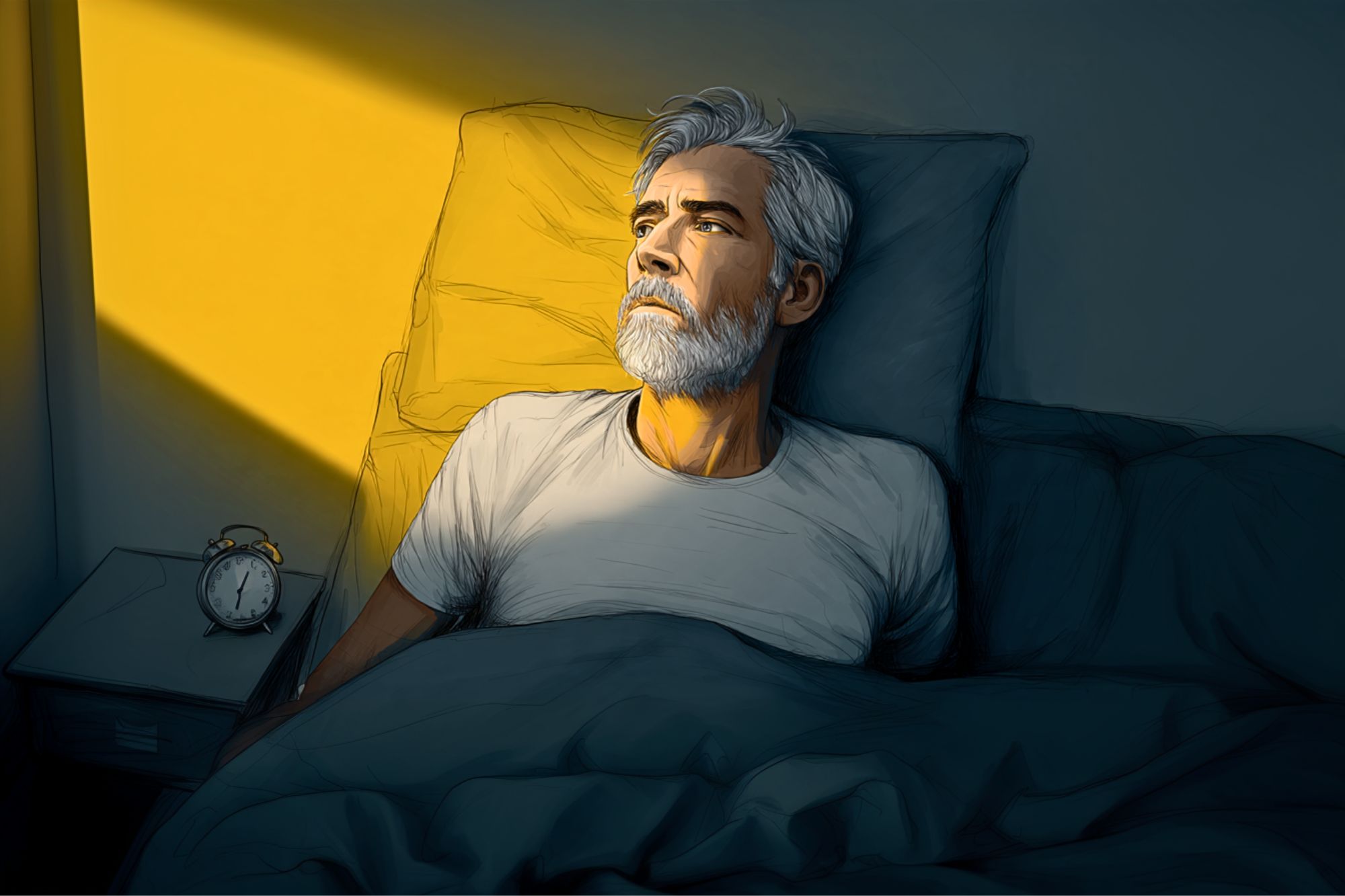
The sun has risen, and you have a wonderful opportunity to live another day! How you choose to start it depends heavily on how you feel about that life. And some people reveal how they truly feel with habits that aren’t healthy or helpful to the rest of the day ahead.
What habits do you add to each morning? If they include any of these 8, then there’s a chance you’re someone who doesn’t feel as positive about their life as they think they do. Sometimes, it isn’t about noticing the big things; it’s about understanding why the little things seem to be so present when you first awake.
Right there is where you can realize so much about yourself.
1. The “I must scroll my phone before anything else” ritual.
You roll over, barely awake, perhaps still half lost in the dream you had about Harry Styles being your werewolf next-door neighbor (just me?), and you grab your phone. It’s like a ritual to you now. You switch it on, go through all your socials one by one, then the news app to really catch up on what you missed during those 7 (if you’re lucky) hours’ sleep.
It’s so automatic that you don’t even think about anything else. “Am I thirsty?” “Do I need to use the bathroom?” “Am I too hot or too cold?” Nope. All that matters is the scroll. I read about a survey recently that concluded a whopping 36% of time spent on our phones is without any clear purpose; it’s just flicking through reels aimlessly. That’s a lot of precious time wasted.
How you treat your time in the morning often unconsciously reflects how much you value what that time could be spent on — and ultimately, how much you value the time you’ve been given.
2. Dreading the day before it’s had a chance to begin.
For those who can relate to this, what is it that you’re actually dreading? Are you able to specify? Is it the thought of having to go to work? Is it the thought of having to be at home all day with no real guidance about what to do?
Before it’s even had a chance to begin, you’re dreading it, and it’s pretty telling when the weight of the day is assumed before it’s even started.
“It’ll be terrible.” “What’s the point?”
For those who live with depression, life can absolutely feel worse first thing in the morning, and if this might apply to you, it’s definitely worth speaking to a health professional. But even if you’re not depressed and simply dislike your life, you’re more likely to experience a low-level feeling of dread or apathy before you’ve even rolled out of bed.
3. Skipping through the replenishment your body needs each morning.
I get that not everyone appreciates a big breakfast, if any at all, but what about all the other things? Brushing your teeth. Using the bathroom. Showering or washing. Doing some gentle stretches. Savoring a cup of coffee or rehydrating with some water. I’ll even go as far as taking any supplements you know your body feels better for taking (I am personally known to rattle each morning).
Skipping any, most, or all of the above doesn’t set you up for the best of days, I think you’ll agree. And done regularly, this kind of self-neglect can be a sign that you’re unhappy and disengaging with life.
4. Not making a plan for your days off.
Do you ever sit down in the evenings, with a few hours ahead of you before bed, and pick up the TV remote, ready to search for something to watch? Perhaps you click from one subscription channel to another, and scroll through, watching twenty-six trailers and reading fifteen synopses. By the end of all that, you’ve got around a half hour before you need to go to bed, so you switch the TV off, having made no decision at all. It’s a frustrating waste of your downtime, right?
Now think about when you have a whole free day ahead of you. How decisive you are when you wake up on your days off work can make or break the rest of the day. And it says a lot about how you unconsciously view your life.
Maybe you sit and think, overthink, debate, and wonder what to do, but instead of deciding, you avoid making a plan entirely. You get to the end of the day and think, “Well, that was a big old waste of a day off, classic me.”
It’s only classic if it’s habitual, and if it is, you haven’t made the most of the small break from work you do get. It’s almost a sort of self-sabotage. You’re essentially resisting the opportunity for balance and for activities that would nourish you. You’ve got precious time that’s yours to do with as you please, but you don’t treat it with intention (even if that intention is only to actively relax).
If this sounds like you, it’s possible that you don’t value your time as much as you should, and that often says a lot more than we think it does about ourselves and our lives.
5. Feeling relief when plans get cancelled.
Don’t get me wrong, I’m not the biggest social planner. My diary isn’t full of events I must attend or people I have to see, but the plans I do make, I genuinely look forward to. The odd times they get cancelled are okay, and of course, I might feel a little relief if I’ve been feeling run down, or if I have a lot of work to do, but apart from that, there’s no massive relief if someone can’t make a planned date with me.
In contrast, those who feel that relief when they wake up and see the “Sorry I can’t make it today” text may be hiding something a little deeper under that relief. While the Joy of Missing Out (JOMO) can kick in for people who really just love their own company, for some people, it isn’t about joy. It’s simply the relief that they don’t have to go out and face their life or the people in it.
And on those occasions, that’s where you might want to dig a little deeper about what’s driving that feeling.
6. Avoiding the light of the day and any movement.
Curtains shut, covers over your head, you aren’t bothered about anything else. It takes me back to my teenage days, when I just used to sleep the morning away, but the older I’ve gotten, the more aware I’ve become of my circadian rhythm. We need sunlight when we wake up because it provides the internal clock to help us regulate things like sleep, hormone release, and digestion.
Without light or movement, that rhythm gets completely knocked out of sync, so not only are you neglecting that by keeping everything dark and still, you’re also neglecting yourself.
If you refuse to open your home to the light and fresh air, or if you hold back on even the most basic of stretches to get your body feeling awake after it’s slept all night, you’re not treating your body with the respect it deserves, and it’s worth questioning why that may be.
7. Using work as an excuse to avoid anything meaningful.
The habitual process of jumping out of bed and getting straight to work is damaging to many people, and it can be viewed as a betrayal of how they feel about the rest of their lives.
This isn’t simply a case of having a lot to do and needing to put in some extra hours. We all need to do that from time to time. This is using work to avoid dealing with the rest of your life.
Families get pushed aside, a healthy breakfast is swapped for regular sweet highs to kickstart the day, and other priorities are bumped down the list. It’s essentially a form of workaholism as escapism.
But work should never be an excuse to dodge everything else. I view it as just a slice of the pie of life, and yes, it’s important, but so is checking in with the people you live with, thinking about anything else going on in your day that you may need to address, and reflecting on how you even feel about your life.
8. Hitting snooze because the day ahead feels so mentally heavy.
“A new day? What merry hell is this?” *Hits snooze.*
There’s a big message in there somewhere, and it’s not a positive one. Sure, we all get yelled at by our alarm clocks, and when we’re in a deep sleep, we may hit snooze just to adjust to being awake. But if you’re hitting snooze because remaining asleep is better or easier than facing your waking life, and this is regular, I think it’s time to start wondering why that is.
What are you avoiding? Deep down there will be things dancing away in your mind that you just don’t even want to acknowledge, and hitting snooze is the easy way out of that.
If this sounds like you, I challenge you to think about why that might be.
Final thoughts…
At times, we may not even realize the things we’re doing in the mornings that secretly betray how we feel about our lives. Habits become automatic the more we do them, but that doesn’t mean they are automatically healthy or without deeper meaning.
If any of these sound like you, it’s worth considering whether more might be going on under the surface. You may find it helpful to practice self-reflection or journaling to explore which areas of your life you might be unhappy with and why, or even booking time with a therapist who can help you to get to the bottom of things.