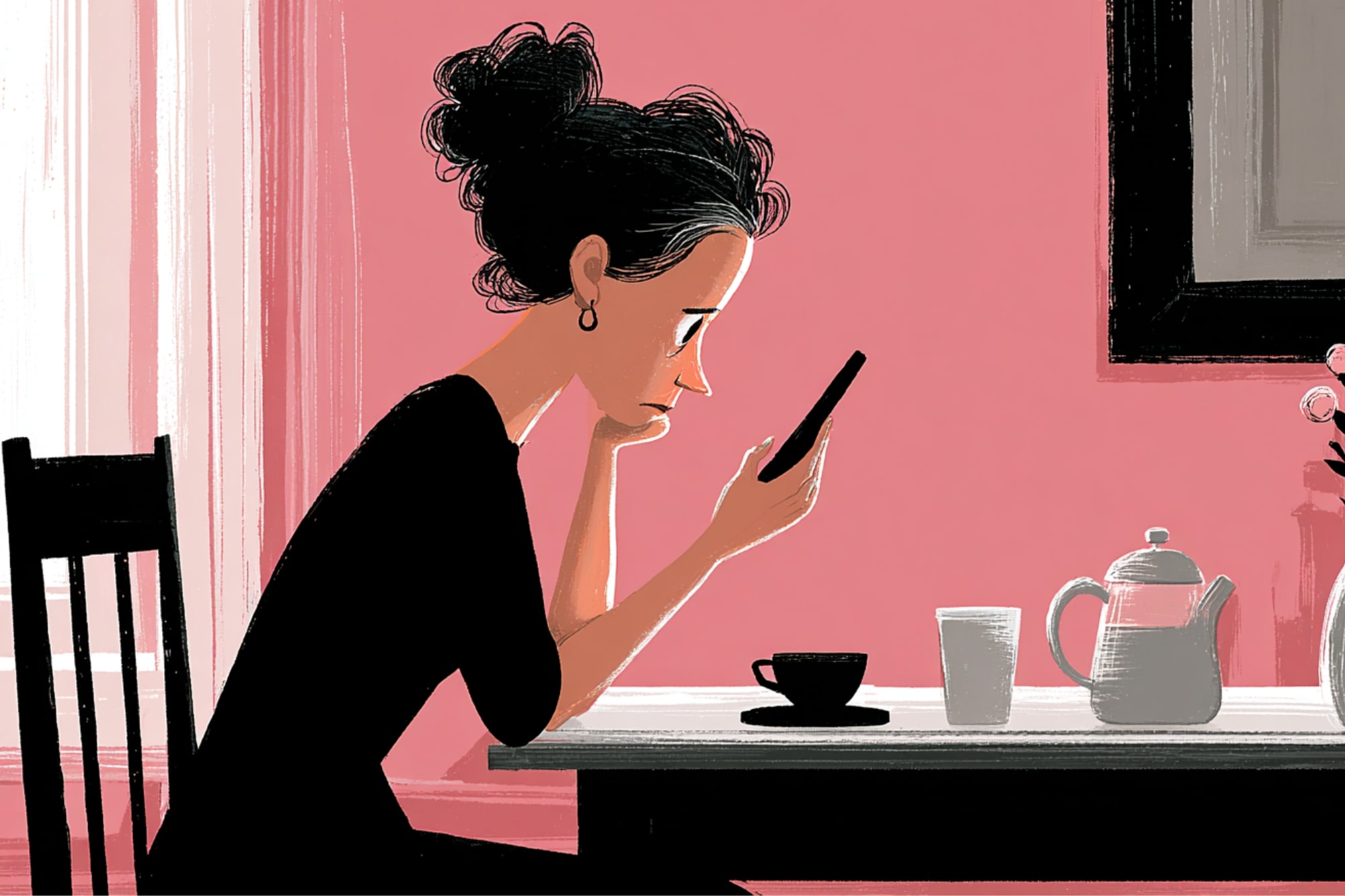
Before you assume you’re the reason your friends are avoiding you, remember—it may have nothing to do with you at all.
You might not have done anything wrong. Sometimes friendships shift because of changes in the other person, or simply because the relationship has run its natural course. There are countless reasons why friends might pull away.
That said, if you do suspect you’ve played a part, self-reflection is important. Below are 7 behaviors that could be pushing friends away—often without you even realizing it.
1. Being clingy.
Do you call your friend(s) several times a day, whether they’re at home or at work? How do you respond if they don’t pick up, call you back, or reply to your message immediately? If it’s the weekend or a national holiday, do you automatically assume you’re spending it together?
Is it possible you’re a bit clingy and your friend(s) are avoiding you to get some space?
It’s not just romantic relationships that clinginess kills. Dr Irene S. Levine, aka “The Friendship Doctor,” advises that friendships need a balance of time together and apart in order to grow.
Perhaps you need to give your friend(s) or your relationship some room to breathe. Let them miss your presence. Give them a chance to wonder where you’ve been and why they haven’t heard from you lately.
If they want to be in your life, they’ll let you know.
2. Making assumptions.
Is there anything easier than jumping to a wild assumption? After all, you sent a text to your friend a while ago, so what reason could there be to explain why they haven’t responded yet? You were supposed to go to the movies on Friday, but they bailed on you 30 minutes before showtime. What reasonable excuse could they have for canceling on you at the last minute?
Clearly, they must not want to be friends anymore, right? Well…not exactly.
There are a million and one reasons why your friend(s) appear to be flaking on you. And most of them have nothing to do with you or how they feel about you or your relationship.
Perhaps they had an emergency, or other responsibilities came up. Maybe they were exhausted from work and just couldn’t handle going out on Friday night. Could they have seen your text, thought they replied, completely forgetting that they hadn’t?
As the saying goes: “Don’t build roadblocks out of assumptions.” Give people the benefit of the doubt until they give you reason not to.
3. Avoiding hard conversations.
Having difficult conversations is no fun. Unfortunately, though, they’re a necessary part of life. And one good thing about having tough conversations is that you end up knowing exactly where you stand.
So, if your friend is acting in a hurtful way, avoiding you, or just not like themself, ask them what’s up. Perhaps you did something wrong that you’re unaware of. On the other hand, your friend may be going through a hard time. The only way you’ll know anything for sure is by asking them.
That’s what a good friend would do.
If you’re not used to having difficult conversations, here’s one key tip: avoid “you” statements, as they can sound like accusations. Instead, use “I” statements. “I” statements will help keep your conversation focused on what you’re experiencing and feeling.
For example, instead of “You never have any time for me anymore” or “You never reply to my messages,” try to remain calm and say something like:
- “Hey, I’ve missed seeing you around lately — how have you been?”
- “I feel like we haven’t connected in a while — would you be up for a call or coffee?”
- “I’m not sure if I’ve done something, but I’d really like to understand if something’s off.”
It’s not easy to take the plunge, but it could lead to a deeper and more meaningful relationship.
4. Being defensive.
Let me share a personal example. After being told she sometimes comes across as judgmental when giving advice, a friend quickly replied, “You’re the only person who has ever told me that, so you’re the only one who thinks that.”
How do you argue with such logic? Well, you don’t. At least, I didn’t in that situation. I simply put some distance between us and kept all future thoughts to myself.
While you don’t have to take all the feedback you’re given, being defensive when you’re given any negative feedback at all damages your relationship. It makes you seem unapproachable, unwilling to self-reflect, and rigid. Not exactly the characteristics one wants in a friend.
So, take a few minutes to examine yourself. When you’re given constructive feedback, do you:
- Stop listening to the other person or end the conversation?
- Walk away? Hang up the phone?
- Make excuses about whatever you are being criticized for?
- Blame the other person for what they are criticizing you about?
- Accuse the other person of doing the same thing?
Very Well Mind advises that if any of these behaviors sound familiar, it could be a sign that you engage in defensive behavior when you feel criticized or attacked. But oftentimes, your friend is not attacking you. They’re not on some weird power trip, nor are they looking for any means to tear you down.
At least, a true friend is not.
Rather, they’re telling you about behaviors you’re displaying that are hurtful or problematic. But if you’re not receptive to such feedback, they’ll eventually stop giving it and will put distance between the two of you.
5. Playing the victim.
Have you ever known someone who was always the victim? Nothing is ever their fault. It’s always the fault of someone else, the universe, or unfortunate circumstances. They constantly need to be rescued or pitied. You can’t possibly be angry with them because “they didn’t mean to”.
The whole “woe is me” schtick is exhausting to deal with. Not to mention, it feels manipulative.
People who are perpetually victims refuse to take accountability. They blame anything and anyone else for whatever is going wrong, sometimes even exaggerating their hardships. Conversations frequently turn to their challenges and poor circumstances. This naturally leads to emotional burnout, loss of trust, and feelings of frustration in the people who have to deal with these perpetual victims.
Because, as a fully functioning adult with reasonable intelligence, how is it that nothing is your fault? How possible is it that you did nothing to contribute to the current situation you find yourself in?
If you’re unable to take accountability for your circumstances and are always blaming others for the situations you find yourself in, chances are you’ll never grow beyond them. Nothing will ever change.
Not to mention, being a friend to a perpetual victim puts one in a very dangerous position. Someone who always blames everyone else for their problems will eventually blame the friend who supports them.
6. Blabbing about your friendship problems with everyone (except the friend involved).
You didn’t mean to tell everyone. The situation with your friend(s) was just so confusing that you had to talk it over with someone…or a few people. Now everyone knows about it, except the other person involved.
And let’s face it, it’s just a matter of time before they hear about it from someone else, too.
Kinda takes you back to the good ol’ high school drama days. You’d tell someone about an issue you were having with another person. They’d tell one of their friends, who’d tell their boyfriend. The caring boyfriend would then tell the entire football team. Before you know it, even the janitors had all the details. The only person who doesn’t know what’s going on is the person you have an issue with.
But we’re not in high school anymore. When you have a problem with someone, the best thing to do is talk to them about it. Talking to everyone but the person involved will only blow things out of proportion and ensure the issue remains unresolved.
Besides, if you were ever involved in such high school drama, you know how traumatic it can feel when the “entire school” is talking about you behind your back. No one wants to relive those days.
7. Forcing the relationship.
Not all relationships last forever. Sometimes people move away, or you drift apart. Perhaps you’ve changed, or they have. Maybe you’re in different phases of life. What brought you together is no longer strong enough to keep you together.
It happens. Relationships start, change, and sometimes end. Friendships are no different.
The best thing you can do in a situation like this is to let go. Don’t force a relationship with someone just because you’ve been friends forever or you helped each other through some dark times.
While the idea of having a lifelong friend is great. Unfortunately, sometimes people are in your life only for a short time. We need to be able to recognize when that happens and accept it. Knowing full well that how long they were in your life doesn’t lessen the impact they had on you and you on them.
The silver lining on this dark cloud is that letting go now doesn’t necessarily mean letting go forever. When you choose to stop forcing a relationship, you’re less likely to end things on bad terms. Thereby leaving the door open for you to reconnect in the future.
While it can be difficult to walk away from a relationship that means so much to you, ultimately it will be the best decision for you, your mental health, and the other person.
Final thoughts…
When people you consider friends start to pull away or outright ghost you, it can be very easy to blame yourself or wonder if something is “wrong” with you.
Is it possible that you exhibit some behaviors that were problematic to the relationship? Perhaps. But, likely, the other person did as well. Don’t beat yourself up about it. We’re all humans and bound to make mistakes.
Reflect on your relationship, take accountability, and learn from your mistakes. By doing so, you ensure you’re ready for healthy and meaningful relationships in the future.