You probably consider yourself a decent person—someone with good intentions who tries to treat others fairly. Most of us do. But character reveals itself in subtle moments when we think nobody’s watching, and sometimes our everyday behaviors tell a different story than we’d like to believe.
If you’ve ever wondered whether you truly embody the high character you aspire to, examining these common social practices might provide some insights. These behaviors often feel justified in the moment or seem harmless on the surface, yet they slowly erode the trust and respect that meaningful relationships require.
The question isn’t whether you’re a good person—it’s whether your actions consistently align with the values you hold dear.
1. Staying silent when something doesn’t sit right.
Assuming you’re a reasonably decent human being, you’ve probably felt that uncomfortable knot in your stomach when watching a friend treat a server rudely. Or when you hear someone make an inappropriate joke or witness deliberate exclusion in group conversations. The question is: what did you do next? If you’re like most people, you probably stay quiet, convincing yourself it’s not your business or that speaking up would make things awkward.
But when someone is being treated poorly and you remain silent, inaction is essentially agreement to those being harmed. Fear of confrontation is understandable, but chronic conflict avoidance becomes complicity when others genuinely need support.
2. Blaming other people or circumstances when things go wrong.
If you’re running late, do you blame traffic without acknowledging that you could have left earlier? When projects fail, do you focus on what others didn’t do rather than examining your own contributions to the situation?
For most people, taking responsibility feels terrible because it threatens their ego and might lead to consequences. It’s so much more comfortable to point fingers at external circumstances, difficult people, or simple bad luck.
But it erodes trust faster than actual mistakes would because it suggests the individual lacks either self-awareness or honesty. In contrast, when someone can own that they got things wrong, they demonstrate maturity and strength of character that lets others know they’re someone to be trusted.
3. Status seeking.
Too many people seem to believe that status = worth. You know the type—they light up around anyone with impressive credentials, wealth, or connections, but barely acknowledge the server taking their order. Their enthusiasm shifts dramatically depending on whether they’re talking to a CEO or a cashier, and their attention span correlates directly with how much someone can potentially do for their career or social standing.
High-character people understand something fundamental: human worth is inherent and unchanging. They treat the janitor and the executive with equal dignity because they recognize that external achievements or privileges don’t determine someone’s value or rights. People are born worthy. Yes, their behavior determines their character, but their worth just is.
4. Gossiping and spreading rumours.
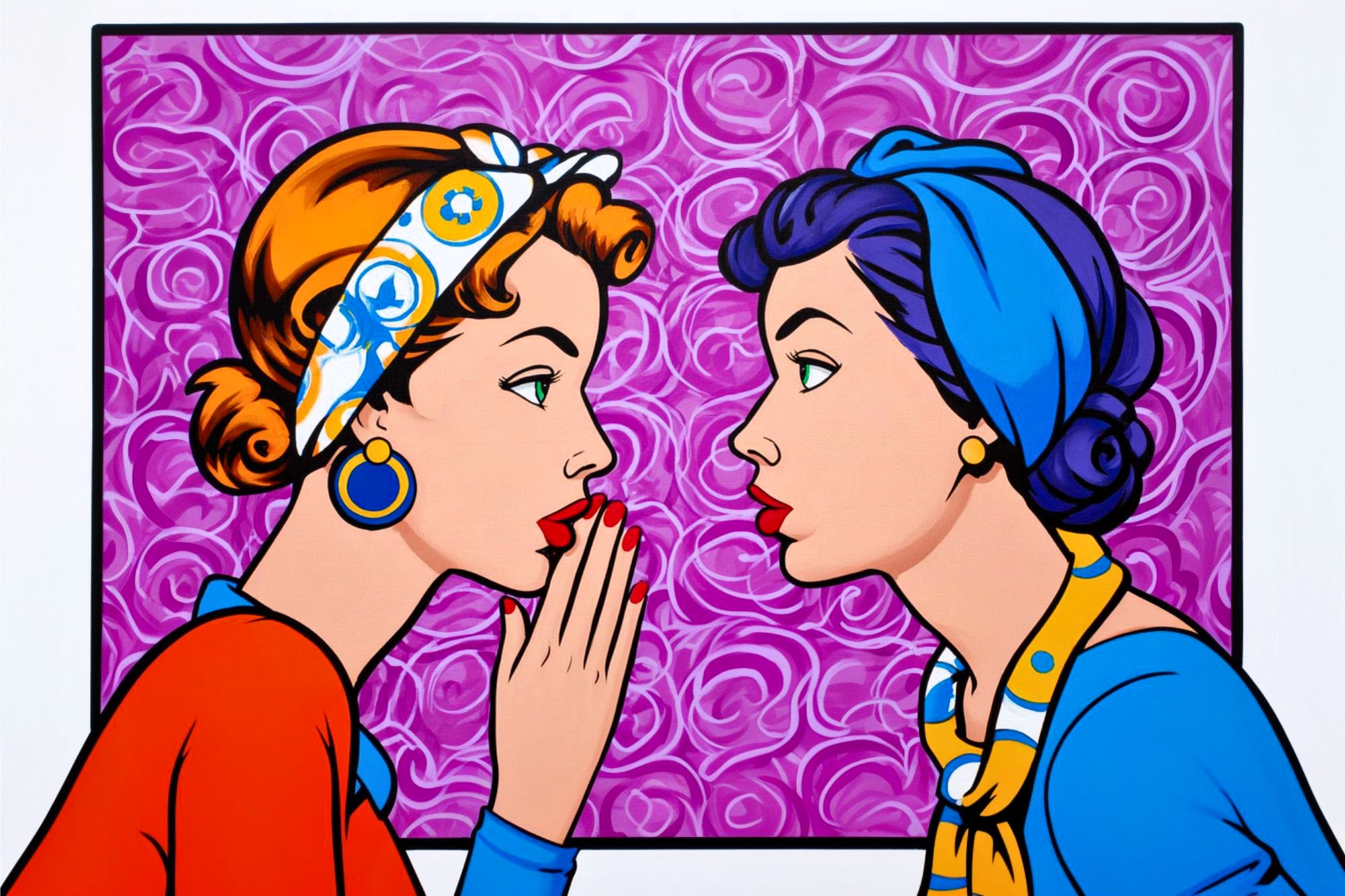
Humans naturally bond through shared information, and discussing others’ business can feel incredibly satisfying. It creates connection, provides entertainment, and sometimes makes you feel superior to whoever you’re discussing. But it’s not particularly kind or respectful.
People who pride themselves on their integrity and character won’t say something behind someone’s back that they wouldn’t say directly to the person’s face. They redirect two-faced conversations or decline to participate. They understand that discussing someone’s private business without their consent breaks trust, regardless of your intentions.
5. Taking credit that belongs to others.
We’ve likely all witnessed credit-stealing in various forms. For example, the friend who retells your hilarious story at parties without mentioning that it came from you. Or the group member who accepts praise for collaborative work without acknowledging others’ contributions. Sometimes it’s blatant theft; other times it’s simply staying silent when credit gets misattributed.
The justification often feels reasonable in the moment. Maybe the original person isn’t present to claim recognition. Perhaps the contribution was part of a larger effort where individual elements became blurred. Sometimes people genuinely convince themselves they’ve done more than they actually have, or they rationalize that not correcting misconceptions isn’t technically lying.
For high-character people, however, honesty and integrity are everything. They redirect recognition where it belongs. They understand that sharing credit actually enhances their reputation, demonstrating respect that makes others want to work with them even more.
6. Making promises you don’t plan to keep.
Many people make casual commitments more frequently than they realize, and follow through less often than they’d prefer. “Let’s grab coffee soon!” “I’ll definitely call you this week!” “We should get together more often!” These phrases roll off our tongues as generic pleasantries or because we want to seem caring, even when follow-through seems unlikely.
Though it seems trivial, it actually says a lot about our character. Why say something you know you’re unlikely to go through with? Or worse, that you don’t actually want to go through with? People of high character know that their word is their bond, so if there’s something they’re not virtually 100% on, they won’t agree to it.
7. Embarrassing others to score social points.
Social media has given us unprecedented power to embarrass others, whether through unflattering photos, personal stories shared without permission, or public call-outs. Some people justify this behavior through humor—”roasting” friends, making jokes at others’ expense, or sharing personal information because it gets good reactions.
Yes, it’s good to have a laugh. But it’s only a joke if the other person finds it funny. When someone treats others’ dignity as acceptable collateral for social media engagement or group laughter, that reveals a lot about their character.
High-character people don’t need to put others down to make themselves feel big. They know their worth, and they aren’t so desperate for external validation that they’d stoop to mocking others to get it.
8. Performative allyship and virtue signaling.
Everyone has areas where their stated values don’t perfectly match behavior—this represents normal human growth rather than hypocrisy. However, when your public persona dramatically contradicts your private actions, it reveals something about your character.
Ask yourself: when no one else is looking, do you live by the values you promote publicly? For example, do you post about equality while making no effort to tackle it? Do you share environmental content without changing your consumption habits? Or advocate for kindness while privately engaging in cruel gossip? Though these are common social practices, none of them demonstrates integrity.
Real character and integrity involve uncomfortable conversations, personal sacrifice, and consistent small actions rather than viral social media posts. It has nothing to do with appearing virtuous and everything to do with becoming so.
Final thoughts…
Our character develops through the countless small choices we make every day. If you recognized yourself in several of these behaviors, you’re not alone—most people engage in them sometimes. The encouraging truth is that awareness creates opportunities for change.
These patterns often develop unconsciously, prioritizing immediate comfort over long-term integrity. When you recognize these tendencies honestly, you can make different choices that gradually build an authentic character that others will respect you for. But more importantly, that you’ll respect yourself for.