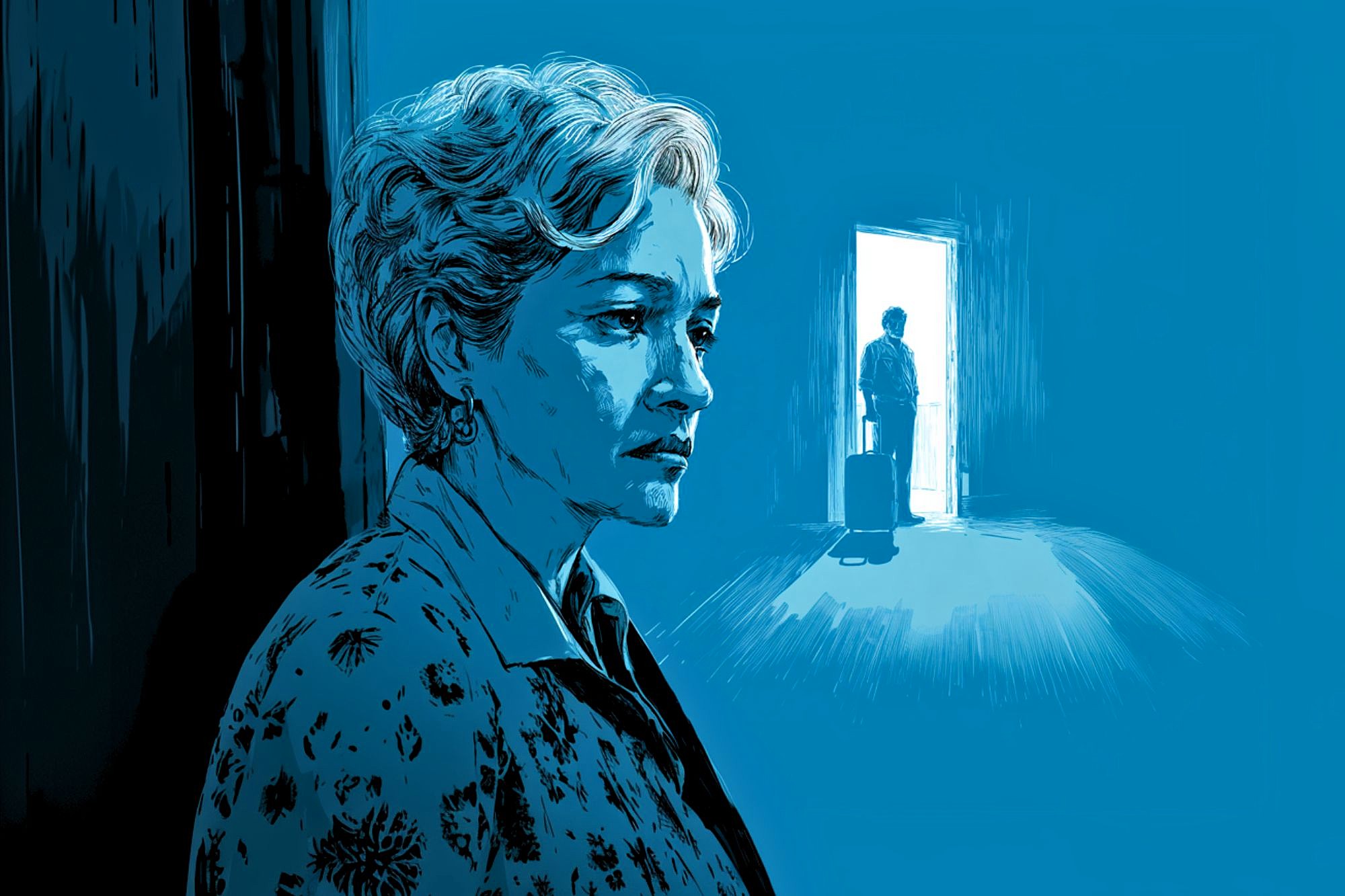
Very few things in life occur without warning: people often just don’t pay attention to the signs as they appear, and later lament that they would have taken action if they’d only known that something was wrong.
If you feel that you were sidelined by your divorce because you didn’t know there were any issues that needed to be dealt with, it’s likely that you missed at least some of the following. And if you’re still married, it’s something to keep in mind.
1. You stopped having arguments.
If you and your spouse had been arguing about various things for a long time, then you may have been immensely relieved when that fighting stopped. All of a sudden, it may have been as though the tensions that had been plaguing your marriage simply evaporated, making you feel that whatever it was you had fought about had resolved itself, and all was well again.
In reality, your spouse probably stopped arguing with you because they became patently aware that nothing would ever change. Nothing would ever get better, so there was no point in fighting anymore.
When I reached this point with my ex, something in me simply turned “off”. The things that had made me so angry, that I kept trying to resolve with him, just didn’t matter to me anymore. I checked out mentally and emotionally, stopped getting upset, and focused entirely on my exit plan instead.
2. They stopped asking you for help (or vice versa).
A person can only have a door slammed in their face so many times before they stop bothering trying to open it again. If your spouse had asked you for help with things countless times, only to be rebuffed because you had more important things to do (or you weren’t interested in helping them at all), then it’s likely that they finally stopped asking you.
Maybe they did their own research online or took some classes so they could take care of these issues by themselves. Or they either hired professionals to take care of it, or got friends to assist them instead. Ultimately, they may have felt like they couldn’t count on you, so they took all matters into their own hands instead.
3. They became uncomfortable being naked in your presence.
Intimacy may have been waning for a while, but perhaps you suddenly realized one day that you couldn’t remember the last time you saw your spouse naked. Perhaps the two of you used to be nude in each other’s presence all the time, and you were once acquainted with every inch of each other’s bodies, but somewhere along the line, that had stopped without you realizing.
Maybe your partner started to lock the door when they showered or changed clothes, and covered up if they happened to be semi-clothed when you were nearby. If they happened to catch you glancing their way when they had skin showing, they may even have displayed obvious discomfort and left the area.
4. Everything about you started to irritate them.
Everyone has quirks that take getting used to, especially when living in close quarters. People who adore each other usually embrace and/or overlook these little quirks and find ways to navigate them.
For example, if someone needs a CPAP machine for sleep apnea, their spouse may sleep with earplugs in, or they’ll sleep separately so as not to disturb each other. Similarly, if these partners have favorite pieces of cutlery or cups, they’ll ensure that these are reserved for them at mealtimes so they can use their preferred pieces.
As such, one of the early warning signs that divorce is on the cards is when your partner is suddenly irritated by all the things about you that they used to find endearing. For example, perhaps the sound of your chewing annoyed them so much that they refused to be in the same room as you, or they snapped at you whenever you used a particular turn of phrase, etc.
5. They stopped being respectful towards you.
People who love each other generally make a point of doing their best to treat each other with respect and courtesy. For example, they might leave the last portion of dinner for each other rather than taking it for themselves. Or if their partner is holed away in a room, they will knock before entering so they don’t intrude upon them and ask permission before using their belongings, and so on.
When a relationship is falling apart, respect is one of the first things to be abandoned. Maybe your spouse took care of something themselves that you had agreed to do together, or started to use your resources and possessions without asking you first. They may have also told you to do things instead of asking you, and stopped saying “thank you” and other pleasantries.
6. They stopped turning to you for support, and started turning to others.
Partners who have a close bond tend to turn to each other for care and support when these things are needed. After all, they share a life together and made vows to be each other’s pillars of strength and security when needed.
When a marriage is falling apart, however, people tend to turn to others with their problems rather than their spouses. They’ll ask their friends and family members for advice, and hide their issues away from their partners instead of discussing them. When asked if anything is wrong, they’ll usually offer a glib “I’m fine” before walking away.
7. Everything became separate property.
Unless spouses have dramatically different dietary needs, allergies, sensitivities, and so on, they’ll generally tend to share most of their resources. Everything from the milk in the fridge to the toilet paper is for both to use, and both partners replenish them as needed.
A big sign of relationship breakdown is when spouses start to treat each other as housemates as far as personal items are concerned. You might have once shared things without thinking, but slowly, your partner only began buying and using their own toothpaste, soap, food items, and so on. Worse still, your spouse might have kept an itemized list of all the things you used so you could either replace the items or reimburse them. Mutual resources became “yours” and “theirs”, with little shared between you anymore.
8. They started decluttering their belongings.
One of the most common things that happens prior to divorce is that the one who’s going to initiate it starts to pare down their belongings. Sometimes it’s under the guise of early spring cleaning or eliminating old, unused items from closets and storage spaces, but what’s really going on is that they’re separating their items from those of their soon-to-be ex-spouse.
Whether this behavior is fully conscious or not, they’re essentially getting ready to move away, and getting a bit of the work done beforehand so it’s not so stressful when it finally happens. This is the marital equivalent of someone cleaning out their desk at their toxic job in anticipation of leaving their workplace without notice, once they’ve finally had enough.
9. They stopped asking how you were.
This is one of the most powerful early warning signs that divorce is imminent, but most people don’t realize it because they’re so wrapped up in their own issues. When the two of you first got together, you checked in with each other regularly. Whether it was a text from work or popping your heads into rooms, you were concerned and interested about each other’s well-being and made a point to ask about it.
When that stopped, it was because neither of you was invested enough to keep asking. Either one or both of you might have stopped checking in because you didn’t really care how the other was doing: priority was placed on individual interests and pursuits rather than each other. In fact, if one of you wasn’t okay, then that was probably just another annoyance you had no interest in attending to.
Final thoughts…
Most people only see what they want to see, and choose to ignore that which is uncomfortable or difficult — whether consciously or unconsciously. This is why the phrase “the divorce came out of nowhere!” is bandied about so often. Instead of acknowledging warning signs as they appeared, these individuals ignored them until things finally fell apart.
Everything requires care and maintenance to remain in good order, from houses and cars to personal relationships. It’s when people choose not to look at warning signs that they become major issues, which eventually grow beyond anyone’s ability to salvage.