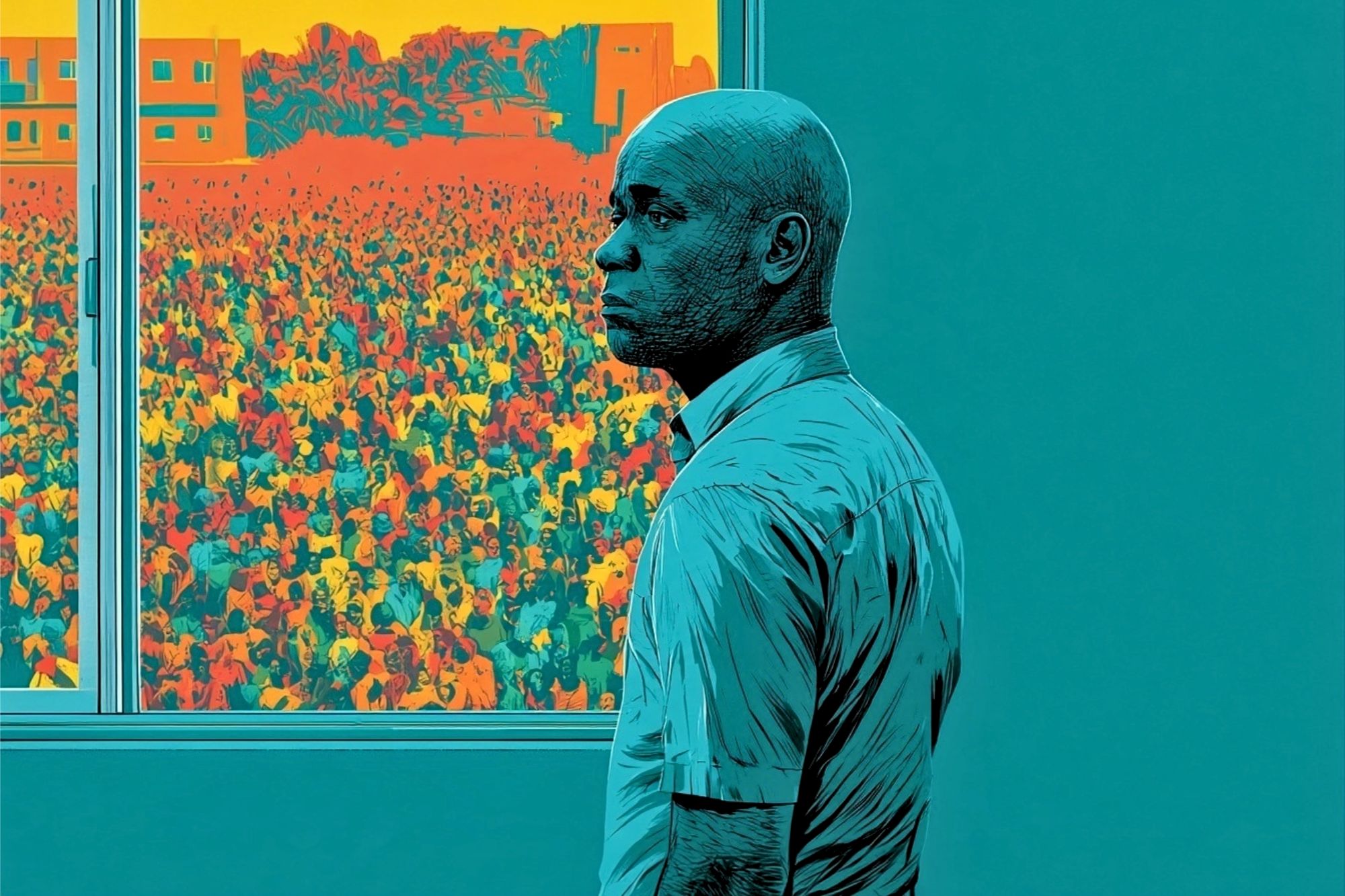
Peace is a skill, not a personality quirk, and the people who guard theirs fiercely usually paid a steep price learning that lesson. Somewhere between burnout and one too many draining conversations, they figured out that solitude is their fuel.
These are the folks who treat their alone time as non-negotiable, sacred, and worth defending, even when others don’t understand why. They’ve learned to spot the specific things that chip away at their calm, and over time, their tolerance for those things has shrunk to almost nothing.
This piece runs through the everyday moments that test their patience most, and why each one matters more than it might first appear.
1. Small talk that goes absolutely nowhere.
For people who cherish their solitude, being cornered by a conversation about the weather results in more than mild boredom. Idle chatter for the sake of filling the air feels like a small theft of mental energy they’d rather spend elsewhere.
There’s a subtler frustration at play here, too. Many assume that a quiet person is simply waiting to be talked at, as if silence were an open invitation rather than a deliberate choice. That misreading often stings more than the small talk itself.
Genuine curiosity, on the other hand, rarely gets the same reaction. Ask someone who loves their peace a real question and watch them light up. In other words, the issue is not conversation itself; just the shallow, obligatory kind that drains without giving anything back.
2. Phones buzzing nonstop with notifications.
Constant connectivity has been mistaken for connection in the modern world. Let’s be honest, a phone buzzing every few minutes feels like an invisible leash. Each alert demands a tiny decision—check it, ignore it, feel guilty either way—and those decisions add up fast.
For someone protecting their mental clarity, this steady stream of pings chips away at focus far more than any single message could. It’s death by a thousand cuts, not one dramatic blow.
Silencing notifications, batching messages, or leaving the phone in another room aren’t paranoid habits. They’re boundaries, plain and simple.
People who value solitude tend to treat their attention like a limited resource, because honestly, it is one. Therefore, protecting it isn’t rude. It’s necessary maintenance for anyone trying to avoid slow-burn overstimulation.
3. Meetings (or “team-building”) that could’ve been a two-line email.
Workplace culture loves performance, and few things showcase that better than a sixty-minute meeting that produces a single actionable sentence. For people who value efficiency and quiet focus, this isn’t just annoying; it’s an affront to how they think work should function.
The frustration rarely comes from disliking colleagues or collaboration. Genuine teamwork, when it’s needed, gets full buy-in. What grates is the theater: forced enthusiasm, circular discussion, icebreakers nobody asked for.
Solitude lovers tend to notice inefficiency quickly because they’ve built systems around protecting their time. Watching that time get swallowed up by unnecessary meetings feels personal, almost like a small violation of an unspoken agreement.
Fewer meetings, clearer emails, and respect for people’s schedules would solve most of this overnight. Until then, expect quiet eye-rolls during every “catch up” that runs forty minutes over.
4. FOMO-fueled pressure to say yes to everything.
Saying no to plans shouldn’t really require an apology, yet somehow it often gets one. People who protect their alone time know this tension intimately—the guilt of declining an invite, paired with the nagging sense that turning down social events makes them somehow less fun or less caring.
A packed calendar gets treated like a badge of honor in most social circles. Solitude lovers see it differently. Overscheduling isn’t impressive to them; it’s exhausting, and often unnecessary. Choosing rest over another obligation is an act of self-preservation, though seen by many as avoidance.
Real friendships tend to survive a declined invitation or two. The ones that don’t were probably built on obligation rather than genuine connection anyway.
Learning to sit with the discomfort of disappointing someone, without caving to FOMO, takes practice. But eventually, protecting personal space starts to feel less like guilt and more like relief.
5. Unannounced visitors showing up at the door.
Few things trigger instant internal panic quite like an unexpected knock. Over the years, researchers from a broad spectrum of fields, including psychology, anthropology, and philosophy have discussed the concept of ‘psychological ownership’ to describe the deep sense of control people feel over their own space, time, possessions, relationships, and routines, among other things.
An unannounced visitor intrudes on this ownership. Suddenly, the couch clothes matter. The unfinished project on the table matters. Plans for a quiet afternoon evaporate without any say in the decision.
That loss of control, however small, registers as a genuine disruption rather than a minor inconvenience.
This isn’t about disliking the visitor. Close friends and family are usually welcome, given a heads-up. The real issue is autonomy. Those who cherish their solitude want to choose when and how they share their personal space.
A simple text beforehand solves nearly everything, restoring that sense of ownership before anyone even walks through the door.
6. People who treat you like a 24/7 emotional dumping ground.
Deep conversations aren’t a problem. Being treated as an on-demand therapist, with zero reciprocity, absolutely is. Solitude lovers often value emotional depth more than most, which makes this particular pattern sting.
Constant venting, especially without any acknowledgment of the listener’s own needs, creates a lopsided dynamic that drains rather than connects. Over time, that imbalance breeds resentment, even in relationships that started out meaningful.
Emotional boundaries exist for a reason, and protecting them doesn’t make someone cold or unsupportive. Occasionally saying “I care about you, but I can’t hold this right now” preserves both the relationship and the listener’s own wellbeing.
Support should flow in both directions. When it doesn’t, people who value their peace tend to notice fast, and they rarely stick around waiting for things to change on their own.
7. Friendships that feel more like maintenance jobs.
Some friendships require constant tending—regular check-ins, reassurance, performative proof of loyalty—just to stay afloat. For someone who recharges through solitude, this kind of upkeep feels less like connection and more like excess emotional labor.
Low-maintenance doesn’t mean low-value, despite what social norms sometimes suggest. Plenty of the strongest friendships involve long gaps between conversations, followed by picking up exactly where things left off. No guilt, no scorekeeping, no anxious texting about response times.
High-maintenance dynamics tend to lead to ill-feeling, especially when one person consistently gives more effort than they receive. Solitude lovers often gravitate toward fewer, deeper friendships precisely because quality outweighs quantity in their minds.
A handful of steady, undemanding relationships beats a wide circle of people requiring constant validation. That trade-off doesn’t feel like a loss once someone actually experiences the difference.
8. Passive-aggressive hints instead of honest communication.
Guessing games might work in party settings, but they have no place in serious conversations. Passive-aggressive communication—the sighs, the pointed comments, the “I’m fine” that clearly means the opposite—forces people to decode emotions instead of simply hearing them stated outright.
Peace-seekers tend to value directness and efficiency, so this indirect approach feels like unnecessary noise layered onto an already complicated situation. Solving the actual issue takes twice as long when half the effort goes toward figuring out what the issue even is.
Honest, if slightly uncomfortable, conversations tend to resolve things faster and cleaner. Solitude lovers generally prefer that discomfort over prolonged ambiguity, because at least it moves things forward.
Clarity, even blunt clarity, feels more respectful than a string of hints meant to be interpreted correctly on the first try. Anything less just adds friction to an already tiring day.
9. Constantly having to justify their need for alone time.
Explaining, yet again, why skipping the party sounded better than attending it gets old fast. Somehow, choosing solitude still requires defending in a way that choosing socializing never does, and that double standard wears people down over time.
Nobody asks extroverts to justify why they need to be around people constantly. Yet introverts and solitude-seekers often face a barrage of “why don’t you ever come out anymore?” questions, as though preferring quiet evenings signals something broken.
Real self-acceptance means no longer feeling obligated to provide a tidy explanation every single time. A simple “I needed some downtime” should be enough, full stop.
Over time, most people who value their peace stop over-explaining altogether. They’ve realized the people worth keeping around eventually stop asking for justification and start simply respecting the answer.
10. Anyone who treats “I need space” as a problem to be fixed.
Needing space gets framed as an issue far too often, as though solitude signals loneliness or something gone wrong beneath the surface.
That assumption misses the point entirely. For plenty of people, space isn’t a symptom of a problem. It’s the solution.
Concerned friends and family sometimes push activities, distractions, or company onto someone who simply wants a quiet evening alone, mistaking their contentment for sadness in disguise. That kind of well-meaning interference can feel more suffocating than helpful.
Respecting someone’s need for space means trusting that they know their own mind. It means resisting the urge to “cheer them up” when nothing actually needs fixing.
Solitude, chosen freely and enjoyed fully, deserves the same validation given to any other lifestyle preference—no rescue plan required, no diagnosis necessary.
11. Anything that asks them to perform happiness instead of just feeling it.
Forced enthusiasm ranks among the most exhausting social requirements out there. Smiling through small talk, laughing at jokes that weren’t funny, performing excitement about plans that sound draining—none of it reflects genuine emotion. People who value solitude know the difference intimately.
Authenticity matters more to them than social smoothness. Sitting quietly, fully content, beats plastering on enthusiasm just to make a room feel comfortable. That preference sometimes reads as standoffish to others, though it rarely stems from unfriendliness.
Real contentment doesn’t need an audience or a performance to validate it. Solitude lovers would rather feel genuinely at peace in private than fake delight in public.
That distinction, small as it sounds, separates authentic happiness from an exhausting show most people never asked to put on in the first place.
Final thoughts.
Protecting inner peace takes courage, especially in a world that seems to reward constant noise and visible busyness. Choosing calm over chaos rarely earns applause, yet it remains one of the most valuable decisions a person can make for their own wellbeing.
Real strength sometimes looks like stillness. It looks like saying no without guilt, setting boundaries without apology, and trusting that rest holds just as much worth as achievement. Nobody needs permission to value their own mental space.
Living well means learning what truly restores one’s energy and protecting that fiercely, even when others don’t fully understand the choice. Solitude, calm, and honest self-respect deserve a permanent place in anyone’s life, not just the leftover moments squeezed in between obligations.
Choose peace boldly. Everything else tends to fall into place once that foundation feels solid.
You may also want to read:
- 12 Things That Finally Happen When You Honor Your Preference For Solitude Instead Of Forcing Yourself To Be Social
- People who enjoy spending time alone tend to find deeper connections with these 10 things instead
- Finding the courage to choose solitude: 9 reasons being alone is better than being with the wrong people
- 10 Underrated Benefits Of Living A More Solitary Life
- Ask enough people who choose solitude in later life why they prefer it, and you’ll hear the same 7 answers
- Psychology says people who can be alone without feeling lonely establish these 8 habits that turn solitude into something beautiful
- People who rarely experience loneliness share 9 specific traits
- 14 Reasons Why You Like Being Alone Most Of The Time