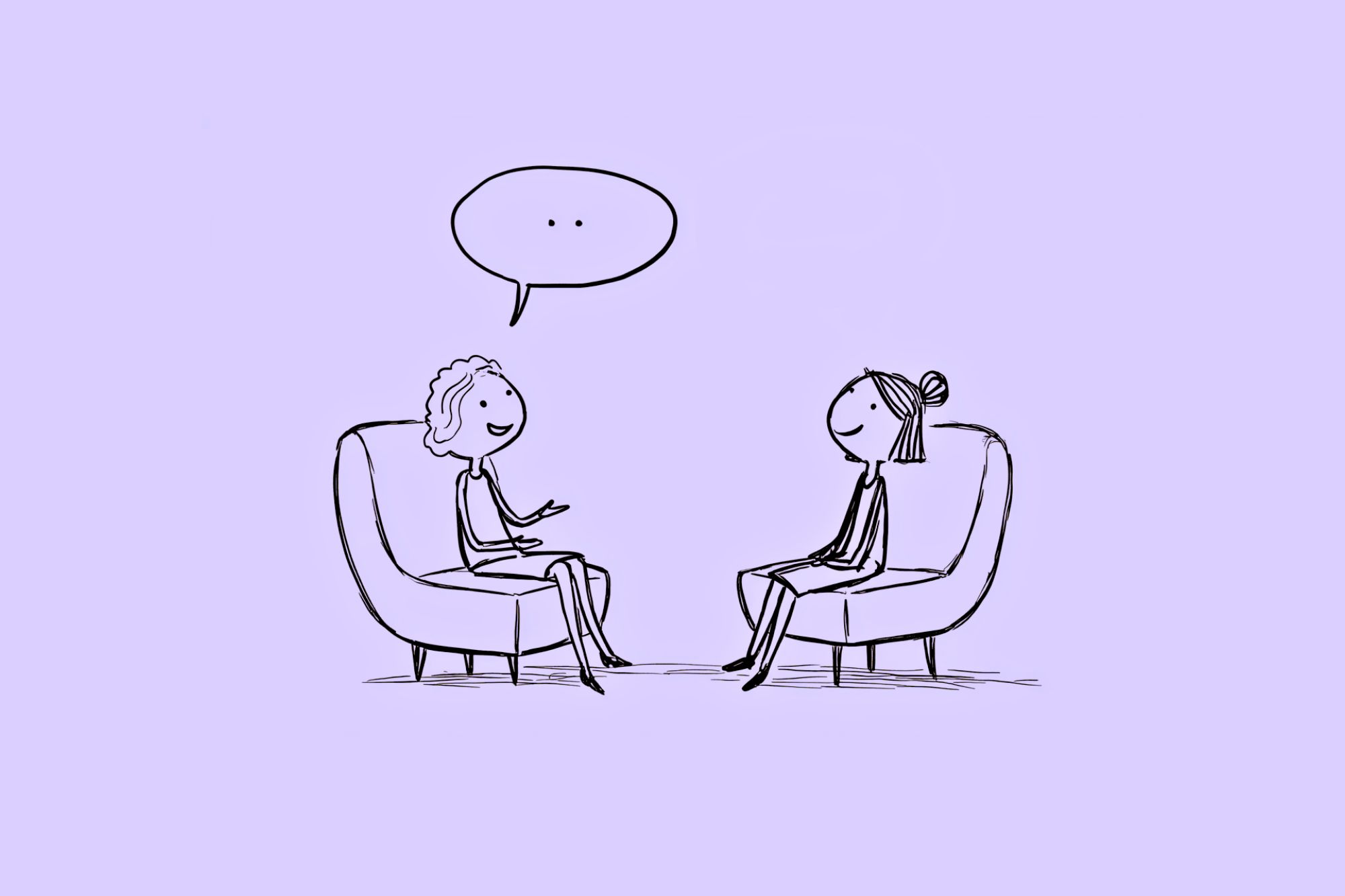
The art of conversation isn’t difficult to cultivate, though few people manage to do it well. This is because most of them are only waiting for their opportunity to speak, rather than listening to what the other person is saying.
It’s only a small portion of the population who would rather listen than speak, and those folks tend to possess the personality traits listed below. They may not embody all of them, but the vast majority will be able to tick off at least a few of these on their list of personal attributes.
1. Curiosity.
One of the key personality traits of those who listen more than they speak is sincere curiosity. These are the people who read reference books for fun as children, and who are eager to learn as much as they can about the topics that interest them.
As a result, they place far greater emphasis on learning about the people they’re engaging with than talking about themselves. After all, they already know themselves: why would they waste time prattling about personal details when they can discover more about others instead?
2. Patience.
Many of us have been in captive situations in which we’ve had little choice but to listen to someone go on at length about a topic we have no interest in. As a person who isn’t particularly patient by nature, I’ve wanted to set my own hair on fire as an excuse to get out of conversations like this on more than one occasion.
In contrast, more patient people seem capable of actively listening to those who are keen to share their stories. They don’t disassociate at the first sign of boredom, but instead encourage folks to tell their tales and share their wisdom. Those they engage with invariably talk about how lovely it was to meet them and what a great conversation was had, because, of course, it was: they did all the talking, so it was grand!
3. Generosity.
Selfish people are grasping and self-serving, whereas generous people turn that energy outwards instead. As such, those who are happy to listen more than they speak in conversations tend to be quite generous with their time and energy, as well as with many other aspects of their lives.
They don’t have any need to dominate the conversation, nor selfishly fill their windows of social time with self-promotion, gossip, or idle chatter. Instead, they’re happy to hold space for what other people would like to talk about, and only offer responses if that’s what those others are looking for.
4. Cautiousness.
Another trait shared by many who prefer to listen rather than speak is prudence. They know full well that sharing too much about themselves may result in those details being used against them at some point in time. Because of this, they’re happy to listen to whatever others have to say, rather than divulging too many personal details.
This doesn’t mean that they’re hiding anything: they’re open books to those closest to them. These folks are simply cautious about what they share with whom, and open up to strangers bit by bit as they get to know them better. Once a person has proven themselves to be trustworthy and unlikely to hold personal details against them (or judge them for their life choices), they’re happy to discuss more aspects of their lives with them.
5. Politesse.
Many of us have encountered rude, obnoxious people who’ve made it clear to others when they have no interest in what they have to say. Some will tell them straight out that they’re dull as buckets of hammers, while others may offer a pithy “that’s nice” before changing the subject to something that’s far more interesting to them.
In contrast, polite people allow others to share their thoughts, feelings, and opinions even if they don’t agree with them (or even find them a bit tiresome). To them, it’s a mark of great character and politeness to be tolerant and kind towards those who want to chat, rather than rudely cutting them off.
To be clear, here we are talking about an outright disregard for other people’s feelings, rather than the kind of unintentional interrupting or tangents that sometimes come as a result of anxiety or neurodivergence, such as autism, ADHD, or both (AuDHD). In these instances, the behavior which is often misinterpreted as “rude” is actually the opposite: an attempt at connection that just differs from neurotypical communication.
6. Intelligence.
One great side effect of listening more than speaking is the opportunity to learn a great deal. Many of the most intelligent people you know are those who have absorbed information about various subjects from all directions, and now have a veritable mind palace of useful info to draw upon.
Since they’re perpetually seeking more knowledge, they recognize the advantages of listening to what others have to say. They’ll happily absorb what’s being shared with them and encourage the conversation with relevant questions, and then do a deep dive into research later to learn more about what was discussed.
7. Humility.
One key difference between talkers and listeners is that the former tend to be self-aggrandizing attention hogs, and the latter have more humility. Basically, the more egotistical a person is, the more likely they are to be a conversational narcissist. They’ll talk about themselves, their own interests, their likes and dislikes, their opinions about the world, and so on.
In contrast, those who embody humility are fully aware that not everyone wants to hear every thought in their head, nor are they the world’s authorities on every topic under the sun. They don’t feel any need to take center stage: they’d rather be in the wings, observing things and occasionally passing props to people as needed.
8. Shyness.
There’s another personality trait that’s often shared by those who listen more than they speak in conversation, and that’s shyness (or timidity). People who dearly enjoy socializing but are terrified of being perceived as awkward, dull, or even stupid are often happy to let others do the heavy lifting in conversations: they’re perfectly content to nod and smile as needed.
Some people who fall into this category are crippled with social anxiety and have difficulty talking to others at all. If and when they do, they may stammer or trip over their own tongues, trying to say two things at once and ending up so embarrassed by their garbling that they run off and apply to the nearest monastery for a lifelong vow of silence.
9. A very high social tolerance.
A lot of people get drained by social interactions (especially small talk) very easily. This is particularly common with autistic folk, as well as introverts — many of whom fall into both of those categories. Because of this, they normally need a few days to recover and regroup from high-intensity conversations (especially if they’ve happened in high-sensory environments).
Those who have a high social tolerance don’t get drained by long conversations with others, even if they’re happening in loud clubs or bustling trade shows. They aren’t necessarily energized by these situations, but they can tolerate them quite well and don’t end up exhausted by the end of them. Additionally, they aren’t easily annoyed by other people and will instead tolerate others’ actions and antics with gentle humor rather than irritation.
Final thoughts…
If you’re a person who prefers to listen more than speak, that’s absolutely okay. You aren’t antisocial or weird if you would rather observe than share. Similarly, if you have people in your life who are listeners rather than talkers, try to avoid pushing them to talk more to get them “out of their shell”. There’s room for every flower in life’s garden, and the quiet, humble primroses and violets are just as beautiful and important as the orchids and azaleas.