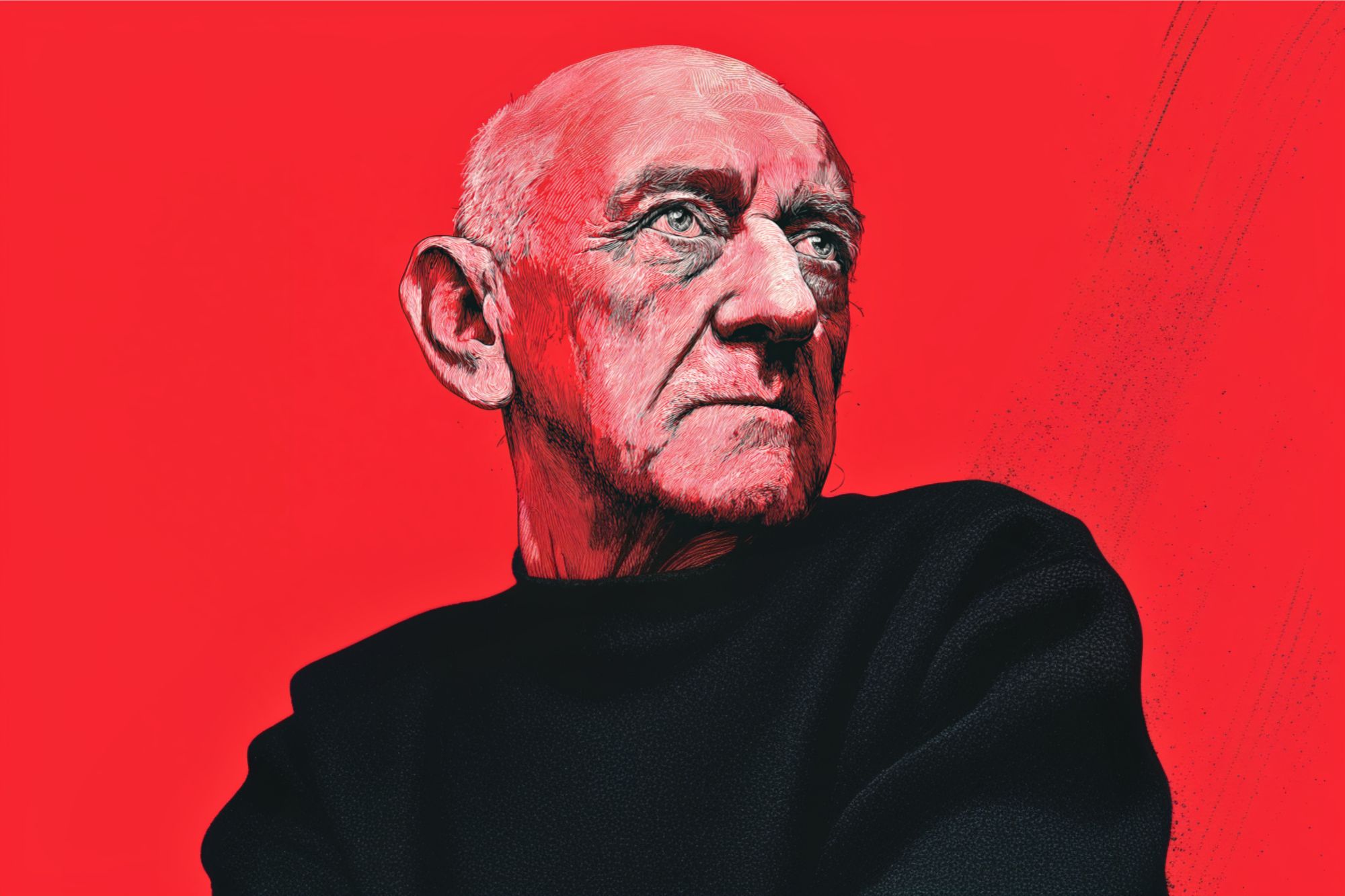
Have you started noticing the subtle changes that come with getting older? If so, you’re not alone. The unfortunate reality is that for many people, the changes and challenges that come with aging influence not just what we do, but how we see ourselves and our abilities.
Here are the main culprits that cause us to lose confidence as we get older, and why they happen. Because after all, forewarned is forearmed.
1. Declining physical strength.
As we get older, our bodies start sending gentle reminders that things have changed. The simple reality is that your body is not what it used to be. Activities that felt simple in the past, like climbing a flight of stairs or keeping up with friends on a weekend hike, can leave us more drained and out of breath than we expect.
Muscles and joints may ache in ways they never did before. Sometimes we may even catch ourselves moving more slowly or needing a moment to rest mid-task.
Chronic illness and lingering health issues can make everyday routines feel heavier and more difficult, while recovering from even minor illnesses or injuries often takes longer than before. Our hearts quietly signal when we need to slow down, nudging us to be more cautious about overexertion, a consideration we never had in the past.
And small vision changes are yet another reminder that our bodies are undergoing subtle shifts.
Taken together, all these physical changes can slowly chip away at the confidence we once had in our own strength and independence. That’s why it’s so important to keep moving in a way that fits our unique needs as we age. If you can, even getting out for a gentle walk or doing slow strengthening exercises can do wonders for both your body and confidence.
2. Shifts in physical appearance.
Looking in the mirror can become a moment of surprise as the years begin to show on your face and body. Wrinkles begin to appear where your skin once felt firm, and grey hairs may pop up out of nowhere despite your attempts to ignore or hide them. You might also notice that your posture is not quite as upright as it once was, or that your figure has shifted in ways that make clothes fit differently.
Weight changes can also be frustrating. The tasks that used to keep your body in shape, like daily walks or light exercise, may not have the same effect as they did in the past. Losing even a few pounds can feel like a battle, and this struggle can reduce the confidence you had in your own body when you were younger.
In a culture that celebrates youth and flawless appearances, these visible signs of aging can feel particularly heavy and make you feel like the reflection staring back at you is not quite the person you remember.
But trust me, it is. You just need to look deeper. You are so much more than what people see on the outside.
3. Slower mental processing.
As we age, our minds can start to feel less sharp. Remembering names, details, or simple instructions may take a bit longer than it once did, and finishing sentences can feel tricky when words fail you midway. Small memory lapses like this used to be rare, and noticing them can leave you feeling frustrated or unsure of yourself.
Tasks that once felt intuitive now require more focus. Learning new skills or figuring out unfamiliar technology can suddenly feel more challenging than it did a few years ago, and adapting to changes in your routine or environment can leave you mentally exhausted.
When your mind seems slower to respond, it’s easy to start doubting your ability to handle new challenges or keep up with the pace of life as you once did. The encouraging part is that your brain is still incredibly capable of growth—studies show that learning new things, staying socially active, and even doing simple puzzles can keep your mind sharper and more resilient.
4. Growing financial stress.
For many people, money worries can feel more intense as we get older. Unexpected expenses seem to appear more often, whether it’s medical bills, home repairs, or helping out family members. At the same time, our earning power may not be what it once was. The idea of planning for retirement or how we’ll make ends meet can feel overwhelming.
These financial pressures can take away at your sense of independence. Things you once managed on your own, like paying bills or daily expenses, can feel more stressful or confusing now, especially when decisions feel weightier or require more planning. Relying on others for help can add frustration or a sense of embarrassment, since no one wants to feel like a burden.
It’s easy to feel guilty that your ability to contribute to your family or community has diminished. When you start questioning whether you can provide in the ways you once did, it can create a subtle but persistent sense of insecurity.
Though it’s difficult to ask for help, particularly when you’re already worried about losing your independence, talking to a financial advisor or even a trusted friend can help you create a manageable plan and ease some of that mental burden.
5. Changing work circumstances.
With age, the workplace can start to feel different in ways you didn’t expect, and that alone can make you question your place in it.
You may notice that you’re no longer the first person considered for new projects or opportunities, even when you have the experience to support your contributions. Sometimes it even seems like your input is not sought out as often. And that change can leave you wondering whether your work still matters.
The skills you relied on for years may no longer be enough in a job market that keeps changing faster than you can comfortably adjust to. New tools, new expectations, and new ways of doing things can leave you feeling out of step and behind, even when you are trying your best to keep up.
Retirement adds another layer of uncertainty. While it offers rest, it can also leave you questioning your identity and place in the world. When work has shaped your confidence for years, stepping away from it can leave you feeling unsure about what comes next. That’s one reason why planning is so crucial. As with most things in life, a happy retirement won’t just fall into our laps. Instead, we need to take proactive steps to maximize our satisfaction and confidence in those golden years.
And remember, there’s no rulebook here. Some people choose to keep working beyond their official retirement date, and that’s a valid choice if it works for you.
6. Evolving family and social ties.
The relationships that once shaped your daily life begin to change as the years pass, and those shifts can affect how you see yourself. When children grow up and move out, the house can feel quieter than you ever expected. You may find yourself wondering who you are now that you are no longer needed in the same way.
Then there are other life changes. A divorce or the end of a long relationship can leave you feeling unanchored, especially when you have spent years building a life around someone who is no longer there. Losing loved ones who’ve always been there for you can deepen that sense of loneliness and make even familiar routines feel different.
Friendships often fade as people move away, become busy, or focus on their own families. With fewer social connections, you can start to feel unseen or less valued. There’s no denying that these transitions can be both painful and a knock to our confidence. However, if you let them, they can also open up space to rediscover yourself and pursue interests you may have set aside for years.
7. The impact of ageism and negative stereotypes.
Growing older often comes with harmful messages from society that can shape how we see ourselves. Implying you are “out of touch” or not keeping up with new trends can seem harmless at first, but over time, it affects how you see yourself.
You might notice people assuming you aren’t familiar with new technology, apps, or current trends. Jokes about you being “too old” for certain activities may seem innocent, but they can make you question your abilities and wonder, “Just how old do they think I am?”
In everyday interactions, such subtle assumptions make you feel underestimated. Friends or younger colleagues may express surprise at your knowledge or skills, or explain things to you that you already know. And invitations to activities or projects may be offered less often because others assume you might not be able to keep up.
Eventually, these small experiences add up. Even when you know your experience and abilities are still strong, constant exposure to these subtle biases and messages can erode your self-confidence. Left unchecked, you may start doubting your judgment, hesitating to speak up, or feeling less capable in situations where you once felt confident.
8. Difficulty adapting to change.
It’s a bit of a trope that adapting to change becomes more difficult as we get older. But it’s one based in some truth, and with good reason. The routines and habits that have guided you through life feel safe and familiar. Stepping outside them can feel risky or tiring.
And why should you? Why should you fix what’s not broken?
Well, clinging to familiar mindsets and behaviors may seem like the safest approach, but it can make you feel out of sync with your surroundings and the rest of the world.
When you stay stuck in your comfort zone, your confidence suffers. It’s facing new challenges and trying new things that remind us what we are capable of. Without these experiences, it just becomes a self-fulfilling prophecy. You begin to doubt your ability to adapt, hesitate to take risks, and believe you can no longer handle challenges as well as you used to.
9. The weight of regret and missed goals.
Looking back on life can bring a mix of pride and unease. You might remember a trip you meant to take with your kids or a hobby you abandoned when life got busy. You may have spent years in a job you didn’t love, or passed up opportunities to change careers, learn new skills, or take risks.
You might find yourself flipping through old photo albums or reading messages from years ago, and pause on a moment that feels bittersweet. Maybe it’s a picture of you with old college friends that you promised you’d keep in touch with but never did, or a reminder of a job you wanted but never applied for. That pang of “what if” can hit hard.
But the thing about regret is that not only does it damage our self-esteem and confidence, but it’s so utterly pointless. Dwelling on what didn’t happen steals energy from what still can, and beating yourself up over past choices changes absolutely nothing about today.
Final thoughts…
Our confidence can take a hit as we get older, often at times and in ways we least expect.
The key to accepting and embracing the aging process is to focus on what you can control. Start by recognizing the experience, knowledge, and resilience you’ve built over the years. Take small, intentional steps to regain your sense of competence.
Try a new activity that challenges your mind or body, reconnect with old friends, or set a realistic goal. These small steps rebuild confidence and remind you of what you can still do.
Getting older brings changes, but it does not define your value or limit your ability to grow. Confidence can still thrive if you give yourself permission to act.