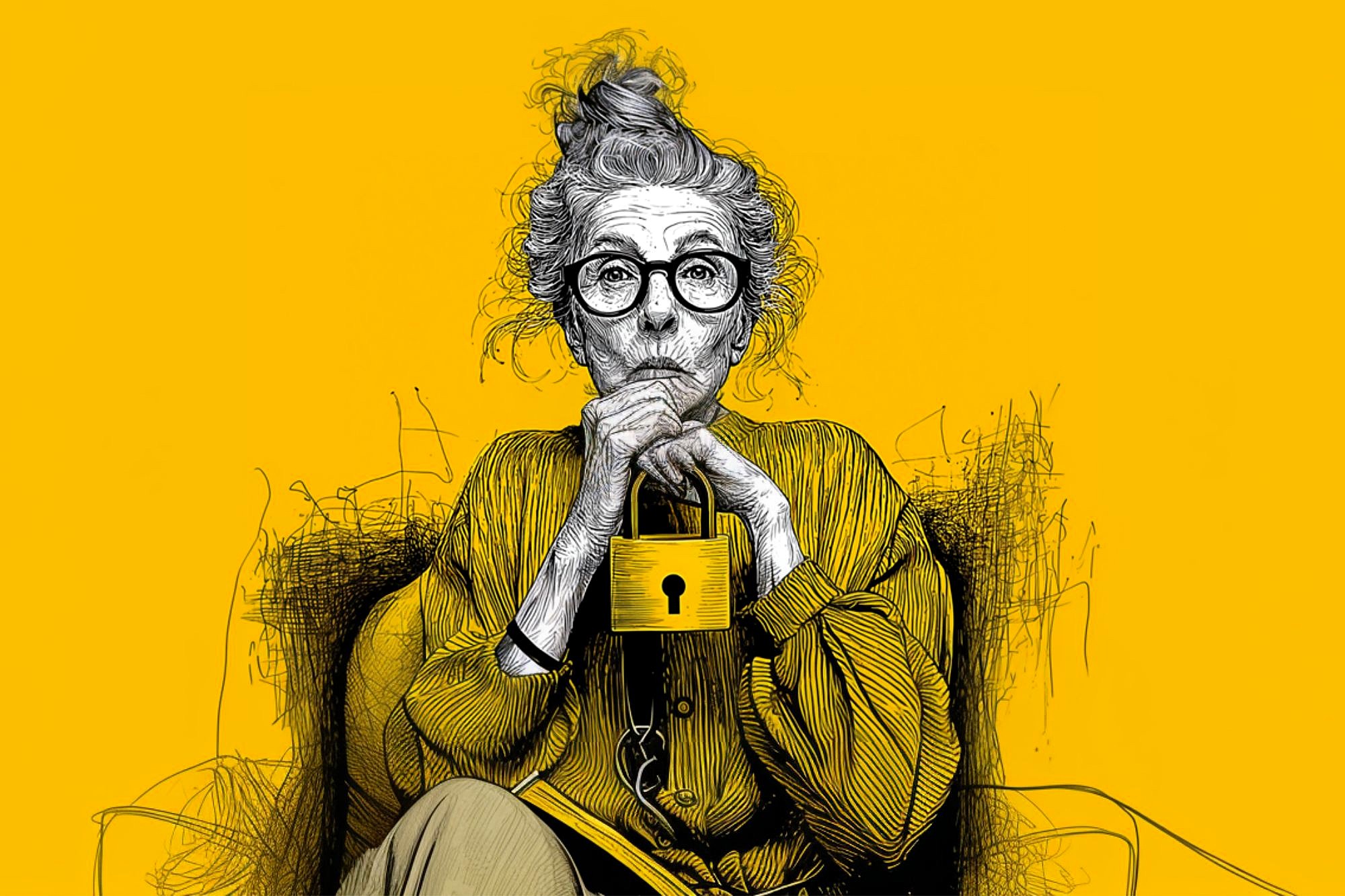
If you’re a very private person and you prefer to keep yourself to yourself, chances are high that others have given you a hard time about it over the years. Some might have called you antisocial or secretive, while others implied that you were cold, aloof, or even sociopathic.
In reality, those labels couldn’t be further from the truth, which those people would know if they actually took the time to get to know you on your terms, rather than their expectations. Here are 8 common reasons for these misconceptions.
1. Extroversion is society’s default setting.
If you look at lists of the traits that most of the world value the highest, you’ll notice that almost all of them fall under the umbrella of extroversion. High energy, enthusiasm, a sociable nature, overachieving, and leadership are just a few of the traits that are greatly prized in society.
In contrast, introverts — who prefer privacy, quiet, and thoughtfulness — are often accused of being secretive or shady. They get admonished for not being “team players” because they opt out of boisterous bar nights with coworkers or leave early because they’re overstimulated. They’re punished for being wired differently in a world that praises gregariousness.
2. If you’re not smiling and chatty, people assume there’s something wrong.
This is particularly prevalent in the Western world, where people are expected to be chipper and smiling at all times. Women, in particular, are often instructed to “smile” by random passersby if they have the audacity to be lost in their own thoughts, or simply don’t feel like grinning like a lunatic while walking down the street.
My partner earned the nickname “Ice Queen” in her youth because she’s quite reserved and serious rather than bubbly, and many people have told me that I look mean or unapproachable. In reality, I’m usually just composing song lyrics or holding book ideas in my head until I can get them down on paper.
There are thousands of reasons why someone may not feel like smiling, or may not feel like exchanging small talk with everyone they bump into, but we’re invariably written off as being aloof, unsociable, or downright cold.
3. Someone’s independent nature can make others uncomfortable.
Most people are uncomfortable when they’re alone for too long. They get antsy when they don’t get a certain amount of human interaction, and they feel scared or vulnerable if they live by themselves. This is understandable: this species evolved to work together with others in a clan, and a person who was exiled from the group would have struggled to survive. As a result, those who thrive in solitude and independence can make others seriously uncomfortable: they can’t understand how anyone could live that way, so they’re mistrustful.
They often try to figure out what’s troubling the person who seems to be happy alone. Are they dealing with personal tragedy and can’t handle socializing? Or have they chosen such privacy because others have been unkind to them? If it’s the latter, they may take it upon themselves to try to force the introvert to be social, which inevitably backfires. When their attempts are rebuffed, they get defensive and label that person as cold and misanthropic.
4. A person with no social media presence is assumed to be hiding something.
If you spend a fair amount of time on social media, you may have noticed that a lot of people consider it to be a “red flag” when someone doesn’t have much social media presence. This is particularly true for those who are trying to meet potential dates via apps: if the object of their interest isn’t active on various platforms, then they think there’s something deeply unsettling about them. Maybe they’re a convicted felon, or a sociopath… after all, who doesn’t want to splay all of their personal information in the public sphere?
Quite frankly, someone who prefers to keep their private life exactly that: private. They’ll open up and share personal details with others bit by bit, as they get to know them, but have zero interest in displaying all their information for the world to see at will. This is how most of us were just 20 years ago, before MySpace encouraged folks to share their every detail to anyone who’s interested. What was totally normal then is seen as aberrant today.
5. People can’t comprehend the effects of trauma if they haven’t experienced it.
People who don’t choose to discuss their past or their feelings because they’re really quite horrific are often presumed to be cold and emotionally unavailable. This often becomes a self-fulfilling prophecy when others push them to open up and talk about themselves and their formative experiences.
Some people have been through absolute hell, the likes of which the average person simply cannot relate to. When they hear about the sadness or intensity of that kind of experience, they don’t know how to deal with it. Many of them back off and break off contact because they can’t handle that kind of pain or darkness… none of which they would have heard about if they hadn’t pushed and pushed for the deeply private person to “just open up”.
If you aren’t prepared to hold space and help work through someone else’s shadows, you should leave those doors closed and trust that the person will open up bit by bit, on their own terms.
6. They only speak when necessary, and modern society can’t deal with silence.
Those who monologue endlessly as though their stream of consciousness is directly linked to their mouths can’t conceive of behaving in any other manner. To them, someone who is silent most of the time is either hiding something or there’s something “wrong” with them.
Deeply private people often hold to the idea of speaking only when they can improve upon silence. They don’t spend hours talking about all of their exploits, their jobs, their workouts, or any other personal details. If and when they speak, it might be about something interesting they learned about, a book they’ve read, or an observation they’ve made about the world around them. Then they go quiet again and go back to silent people-watching.
7. Oversharing has become society’s default.
While some people wear their hearts on their sleeves and form deep bonds with others almost instantly, others are more wary and let others in incrementally — rather like layers of an onion. They’ll peel back the layers bit by bit as they learn more about an individual and determine whether they’re trustworthy enough to be allowed into the sanctum sanctorum.
Many extroverts find this very hard to deal with and will insist that the person in question tell them everything about themselves all at once, regardless of how uncomfortable that might make that person. They don’t respect that person’s desire for privacy, and certainly don’t support them in opening up on their own terms. They may even try to manipulate that person into opening up for their own benefit, implying that it’s the default societal setting to be fully open and vulnerable with complete strangers.
8. They want a product label up front.
When we go shopping — either for food or products we plan on using — we do our research up front to find out all the details about the items in question. We scan through ingredients, read the specs and operational manuals, and then determine whether we want that item or if we should keep looking.
This is perfectly understandable, but human beings are not things. Yet, unfortunately, many people treat others as objects and want that list of ingredients and operating systems ahead of time so they can determine whether to continue interacting with an individual or not.
If someone isn’t completely open about their personal intricacies and nuances, they’re assumed to be hiding something. Others don’t want to “waste time” on someone who doesn’t fit their laundry list of preferences, either as a friend or a potential lover. If the person in question doesn’t share every aspect of themselves up front, then they’re considered a cold, aloof waste of time and are discarded in favor of an open book.
Final thoughts…
If any of these strike a chord with you, then you’ve probably felt hurt or alienated by those who wanted you to be something you’re not. Similarly, if you’ve brushed off people for being cold and aloof because they weren’t as chipper or chatty as you’d prefer, maybe this article can provide some greater perspective.
Many people miss out on great friendships and relationships because they expect too much from others, too soon. With time and patience, many of those deeply private people will open up and become the best friends or partners you could ever wish for.