
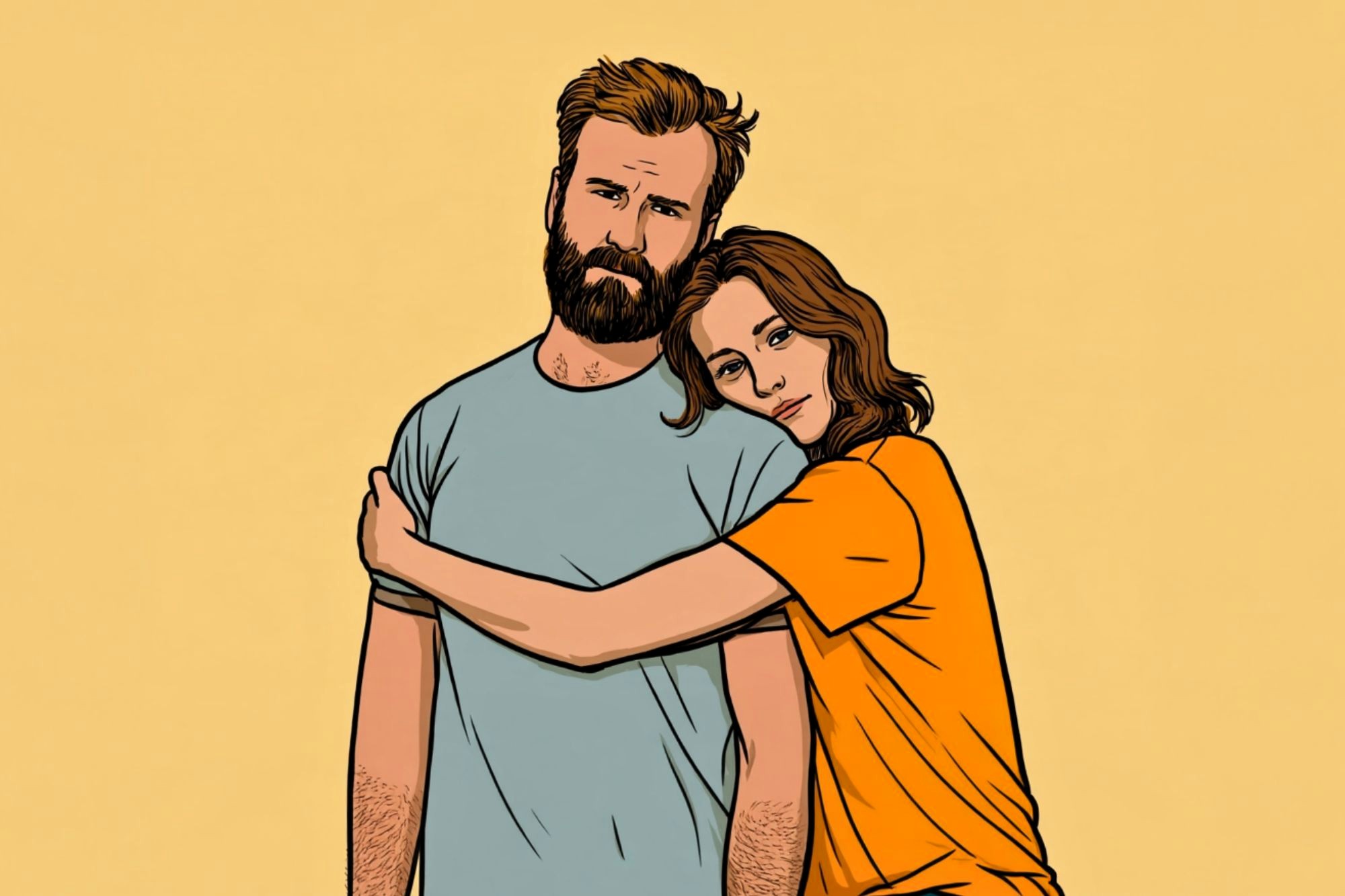
The fear of being replaced rarely stays quiet in your head. It can slip into how you argue, the way you seek reassurance, and how you react when your partner wants time without you.
You might know logically that one quiet evening doesn’t mean they’re leaving, yet another part of you is already preparing for the worst.
When you constantly fear someone will decide they can do better, protecting the relationship can become almost as important as enjoying it. But often, how you try to secure their love can create the very tension and distance you fear.
9 behaviors of people who constantly fear their partner will discard and replace them:
1. Looking for proof of love all the time.
When you’re afraid of being discarded, reassurance can feel less like a bonus and more like something you need to keep your anxiety under control.
You ask whether everything is OK because your partner seems quieter than usual. You notice they didn’t kiss you goodbye or they sent a message without the usual heart emoji, and you wonder whether their feelings have changed.
Then they reassure you, and the tension lifts. The trouble is that reassurance often has an expiration date, and at that point, the underlying fear returns. Something else will happen tomorrow, and you need fresh evidence that you’re still loved.
Wanting a little reassurance is not always a sign of insecurity, but constantly checking the relationship for safety signals usually is. What’s more, it leaves you dependent on your partner to settle fears they can never permanently resolve.
No amount of “I love you” will feel sufficient when part of you is always waiting for the other shoe to drop.
2. Treating all other people like potential replacements.
Someone new starts at your partner’s workplace. They mention the person is funny, and suddenly you’re wondering how attractive the new employee is, whether they’re single, and how often the two of them talk.
When you fear being replaced, anyone can start looking like competition.
You might compare yourself with your partner’s exes, monitor who interacts with them online, or feel threatened by a friendship that hasn’t actually crossed any boundaries. Underneath the jealousy is often a painful fear — what if they realize this person is better than me?
Of course, suspicion may not always be imagined. If your partner has lied, cheated, or repeatedly crossed agreed-upon boundaries, mistrust takes on a whole different context.
But if innocent interactions routinely feel threatening, the fear may be coming from inside you rather than from inside (or outside) the relationship.
3. Searching for hidden meanings in ordinary behavior.
When you’re already afraid of abandonment, uncertainty can feel dangerous. Your mind tries to protect you by spotting the warning signs early, but that can mean assigning threatening meanings to perfectly ordinary actions.
Maybe your partner is simply tired, preoccupied, or less affectionate without it reflecting how they feel about you.
My ex was always afraid that I would leave him. He read innuendos into everyday activities, and to him, vacuuming the house meant I had a lover coming over when he left for work.
His reactions and accusations became more extreme as his fears turned to paranoia, and in the end, our relationship failed because his insecurities turned abusive.
4. Making yourself as easy as possible to love.
I spent years believing that being agreeable made relationships safer. Growing up in an unpredictable home taught me to pay close attention to other people’s moods, and I became good at keeping the peace.
That habit transferred into my adult relationships. I believed that being easy to love would mean I would be harder to leave, so I overapologized and avoided difficult conversations. I ignored what I needed, fearing that expressing it would make me undesirable.
You might do something similar by adopting your partner’s interests, agreeing when you actually disagree, or swallowing a boundary because you’re scared your partner will find someone more “low maintenance.”
However, every time you reshape yourself to prevent rejection, you reinforce the idea that the real you isn’t enough. The false security of being agreeable turns you invisible inside your relationship, and that rarely ends well in the long run.
5. Attaching quickly to secure the relationship.
When you love and really care about someone, but you’re secure in yourself and the relationship, there’s often no pressure, and you can let the relationship build in its own time frame.
In contrast, when you feel insecure in yourself and the relationship, you may fear letting them “slip away.” The urgency to ensure you don’t lose out may lead to oversharing, constantly messaging, talking about the future after only a few dates and getting anxious if they don’t contact you quickly enough.
There’s nothing inherently wrong with falling quickly. Some couples genuinely connect at lightning speed and never look back. What matters is what’s driving the urgency.
If slowing down feels unbearable because you worry the other person may change their mind or lose interest, you may be trying to secure the relationship before you feel safe within it.
But a label won’t guarantee that somebody won’t leave. Even after you get the commitment you want, the anxiety may simply find something new to question.
Security built on another person’s promises rather than your own sense of self-worth will always feel vulnerable.
6. Testing your partner instead of voicing what you need.
Sometimes asking your partner if they still want you can feel more vulnerable than creating a situation that will give you an answer.
So you stop texting first to see how long it takes them to notice or threaten to leave during an argument, secretly hoping they’ll beg you to stay. Or maybe you become cold after feeling neglected and wait to see whether they’ll work hard enough to win back your affection.
The test might make sense inside your head, but it won’t to your partner, assuming they are securely attached.
They’ll only experience the withdrawal, conflict, and threat. And even if they do respond as you hoped, the relief is brief. All you’ve proven is that they’ll chase you this time, not that you’ll never be abandoned.
Admitting you feel insecure can seem risky, but being vulnerable would give them the chance to respond to your actual need, rather than to a test they don’t even know they are taking.
7. Swinging between clinging and pulling away.
Fear of replacement may make you hold on tighter, but it can also make you draw back.
When your partner seems distant, you may want more contact, affection, and reassurance. However, once they come closer, being that emotionally exposed can be frightening. You pull back, insist you need space, or convince yourself you don’t need them after all.
Then, when they respect that distance, you become terrified they’ve stopped caring and rush to reel them in. From the outside, this push-pull pattern can seem contradictory. Underneath, both reactions may be attempts to protect yourself from the same thing.
The result can be confusing for both of you. You desperately want the security of closeness while simultaneously trying to protect yourself from everything that it makes possible. What’s more, the shift between clinging and pulling away may even drive your partner away.
8. Leaving before you can be left.
Perhaps you’ve discovered that walking away can sometimes feel safer than waiting to discover whether someone else will.
After growing up around unpredictable relationships and later going through a divorce, I became very aware of how quickly my mind could prepare for an ending. If something felt wrong, part of me wanted to emotionally brace myself before I had enough information to know what was actually happening.
You may recognize that impulse. One bad argument becomes proof you’re incompatible. Your partner asks for space, and you start imagining the breakup. You detach, sabotage the connection, or end things first because at least then the rejection happens on your terms.
Sometimes, trying to avoid the possibility of abandonment means abandoning the relationship before you’ve discovered whether it was ending at all.
9. Sabotaging the good times because you believe they can’t last.
Bizarrely, you may find that when nothing is actually wrong, that’s when your anxiety gets loudest.
Your relationship feels close, you haven’t argued in weeks, but instead of relaxing into bliss, you catch yourself wondering how long it can last.
You start looking for problems that aren’t there, become suspicious of an especially loving gesture, or tell yourself not to get too comfortable, because happiness feels dangerous when you believe losing it is only a matter of time.
That constant anticipation can prevent you from experiencing the security you actually have. Rather than letting today’s relationship speak for itself, you’re emotionally preparing for tomorrow’s imagined rejection.
No relationship comes with a guarantee. But if you’re always bracing for love to disappear, you can spend years grieving an ending that hasn’t happened instead of allowing yourself to feel safe in what exists right now.
Final thoughts…
Fear of being replaced can make insecure behaviors feel protective. You check, cling, test, please, or pull away because some part of you believes that staying alert might prevent the loss you’re dreading.
It won’t. And worse still, it’s more likely to bring it about.
Understanding the fear behind those behaviors helps you see the harm they can cause. It gives you a useful starting point as you work on feeling more secure by rebuilding your primary relationship — the one you have with yourself.
The goal is never to become so perfect, accommodating, or necessary that your partner could never leave. It’s to build enough self-security that you can love someone without constantly preparing for the moment they might choose somebody else.
And knowing that if they do, you’ll be OK.