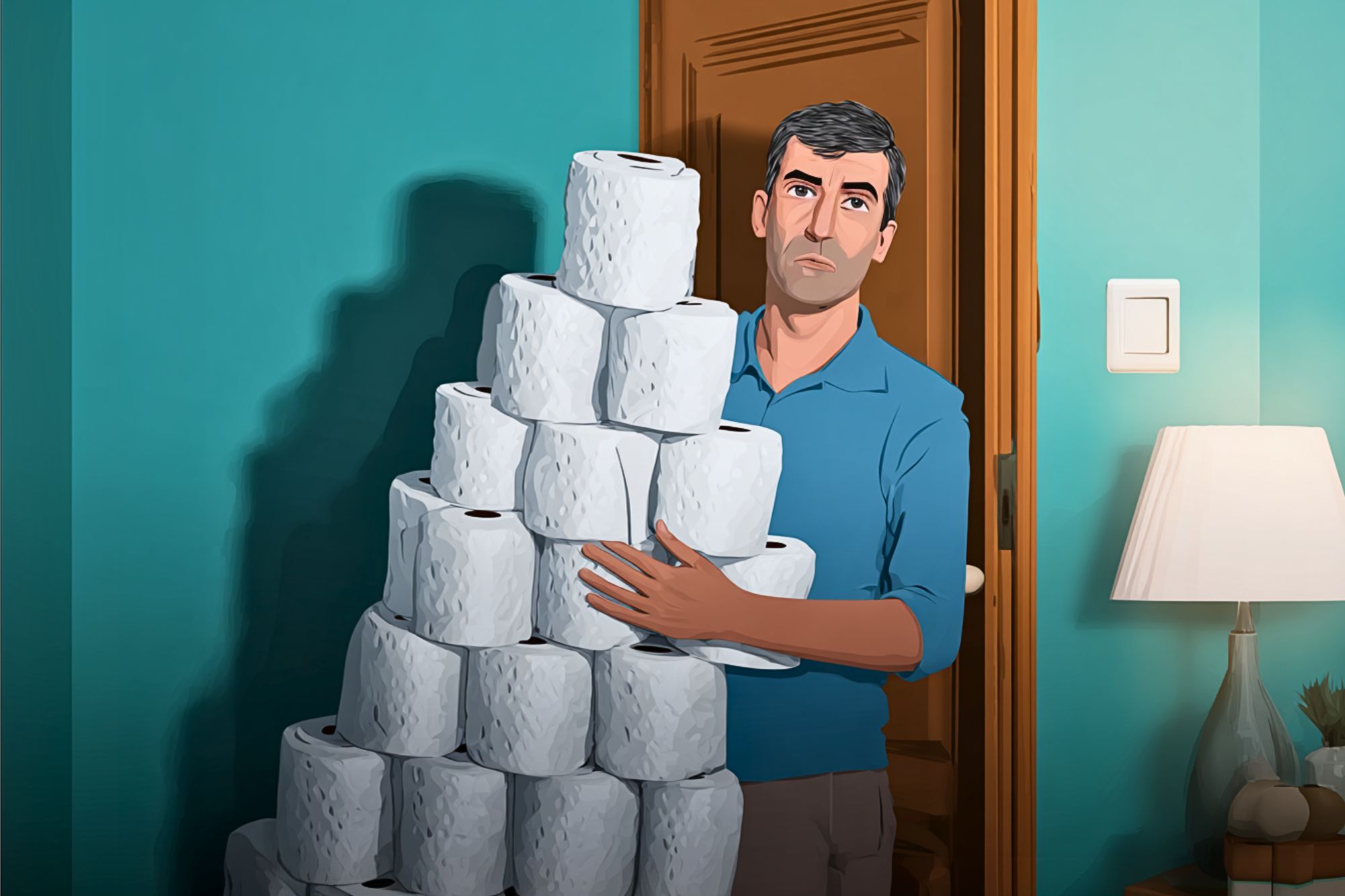
What makes a person selfish? Most of us have encountered deeply selfish people over the course of our lives and shook our heads at their terrible behavior. These are the ones who’ll eat whatever they like from the office fridge regardless of who it belongs to, blow off their commitments, and spend tons of money on themselves while being miserly towards others.
While it can be hard to deal with people like this, understanding the motives behind their behavior can help figure out how best to deal with them. Let’s take a look at what goes into making a selfish person the way they are.
1. Not having had enough in their formative years.
Scarcity is well named because it leaves lasting scars on a person. Those who experienced hunger, poverty, emotional absence from caregivers, and who had to make do with very little, often end up as seemingly selfish, self-serving adults.
For them, self-centered thinking and behavior became a survival mechanism: nobody else took care of them, so they needed to take care of themselves at all costs. Now that they’re grown, they get their own needs met first and stock enough to remain comfortable whenever possible.
A fellow I follow online named Warren Smith commented on this type of situation with the quote: “That which I have alone, protects me” with regard to taking care of himself (and his family) by any means necessary.
I saw this type of behavior when I was in my teens, sharing flats with others who had to leave home early for one reason or another. Those who had been living rough for a while, or who grew up with a great deal of scarcity, made a point of grabbing everything they could whenever they had a chance to do so. They’d hoard food in closets and drawers, take any spare change they saw lying around, and return the household’s bottles and cans for money.
2. Having too much in their formative years.
This is the opposite end of the spectrum to the situation above, but it can have a similar end result. Something that often happens is that when someone is raised by parents who dote and fuss over them, indulging their every whim, they grow up to be incredibly entitled. Instead of treating others with courtesy and respect, they see them as either tools to be used or obstacles to be moved out of their way.
Some were raised to believe they were better than others and thereby deserve more, while others were taught that since they’re so special, they have the right to do whatever they want to whomever they like.
3. Intense betrayal.
A person who has experienced intense betrayal may have decided that the only person they can count on is themselves. Because of this, they might make the conscious decision to always look out for number one and do whatever’s necessary to protect themselves. They’re hypervigilant to any actions that may imply that they’re going to be hurt or taken advantage of, and may take the initiative to screw others over before those people can do it to them.
Furthermore, they may decide that since someone treated them poorly in the past (especially if they had treated that person wonderfully in turn), then they’ll take full advantage of others from then on in to make up for the difficulty they had experienced.
A perfect example of this might be someone who gave their partner their all in their last relationship and was taken for granted, so now they’ve decided to “get their own back” by using the next partner they date to make up for that experience.
4. Anxiety and panic.
Some people behave in a seemingly self-centered manner out of self-preservation rather than greed or malice. For example, those who suffer from anxiety or panic disorders are often accused of behaving selfishly, such as if they cancel plans at the last minute, ask to control music that’s playing at a get-together, or set strict personal boundaries that others may construe as controlling.
Anxiety is a crippling disorder that can literally make a person feel as though they’re at risk of serious harm or death at any given moment. People who suffer from severe panic attacks don’t lack empathy for others at all. In fact, it’s often quite the opposite: some of their worst fears may revolve around something bad happening to someone they care about. But it’s almost impossible for someone to think about (let alone prioritize) someone else’s needs and feelings when they’re almost paralyzed by fear.
5. Main character syndrome.
Some people really do seem to behave as though they’re the main character in the world and everyone around them is a non-player character (NPC). As a result, they treat other people as means for them to get whatever they want in any given situation, and expect the world to revolve around their own whims and wants.
Additionally, the same instincts that drive their lack of situational awareness — such as walking into busy roads without looking — also drive their self-centered behavior. Since they’re the main characters in their story, they fully expect traffic to stop and are surprised if anyone gets mad at them for that behavior. From their perspective, no one else is as “real” as they are, so it doesn’t matter what they do: they sincerely can’t understand how their actions affect others.
6. Control issues due to feeling powerless.
You know the expression “hurt people, hurt people”? The same can be said for controlling, self-centered behavior. Many of those who spent a lot of time being controlled in the past by those who were deeply selfish or self-centered will often repeat those behaviors towards others when and if they find themselves in a position of power over them.
Essentially, it’s like a kid who is being bullied at home who ends up being a bully towards those smaller than them. They didn’t like what they were subjected to, so they now make themselves feel powerful by controlling other people, serving their own whims and wants above all else, and dominating whatever situation they find themselves in.
7. Low self-esteem.
People with terribly low self-esteem may behave in a manner that others interpret as selfish because they’re afraid of being mocked or rejected, or of potentially making a mistake in public that will haunt them for years to come.
These people tend to withdraw from relationships when they start to feel exposed or vulnerable, which can make some people feel used or taken advantage of. Similarly, their social anxiety and fear of judgment might make them nervously dominate conversations: they don’t intend to drone on about themselves, but they don’t know how to interact with others in an organic give-and-take manner.
8. Cluster-B personality disorders.
Cluster-B disorders include narcissistic, antisocial, histrionic, and borderline personality disorders. These are characterized by unpredictable, erratic behaviors, as well as self-centered behavior, a lack of empathy, and a lack of awareness about how their behavior impacts those around them.
While some people may be genetically predisposed to these disorders, they’re most often caused by intense difficulties in childhood and adolescence. Abuse, neglect, trauma, and abandonment affect brain structure and function, resulting in intense emotional dysregulation.
In fact, scientists have discovered that the brain activity of those who experienced intense trauma or abuse as children looks just like that of soldiers who saw active combat in war zones. The selfishness or self-centered behavior that people like this exhibit isn’t intentional at all, but is a side-effect of the very real brain damage they suffered through unimaginable traumas.
Final thoughts…
It’s important to always examine the driving forces behind a person’s actions before judging the behaviors they display. For instance, a person who fails to show up at a birthday party may not be blowing it off in favor of something better, but is instead weeping and hyperventilating inside a blanket fort.
Yes, some people are selfish because they’re just jerks, but the majority of those who show self-centered behavior are those who have been severely damaged and are doing the best they can to muddle onwards.