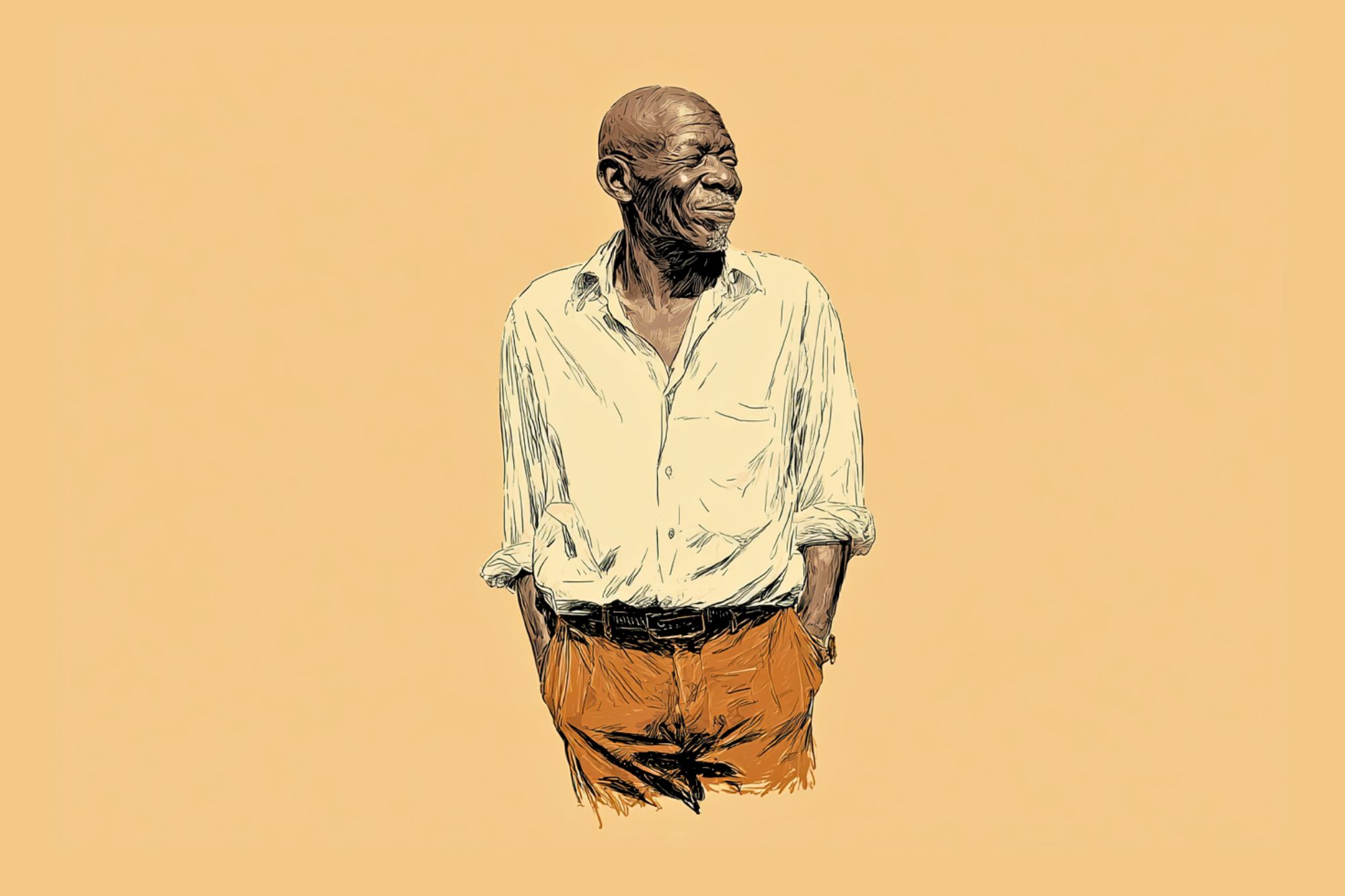
Most of us have met someone who just radiates goodness. Someone who makes you wonder what it is they do differently. But what if you’re that person? Sometimes, the ways you show up for others slip under your own radar. You might not realize the quiet kindness in your actions or the warmth you bring without even trying.
If you recognize the following behaviors in yourself, take heart that you’re making the world a little better just by being you. And if you want to become a better person, incorporating some of these things into your life is a great place to start.
1. You listen more than you speak.
Many conversations feel like a race to be heard. People are waiting for their turn, already crafting their next sentence while the other person is still talking. If you find yourself genuinely listening instead, you’re doing something rare. When you give your full attention, not just nodding along but really absorbing what’s being shared, you make the other person feel truly seen. Your focus is on understanding, on catching the emotions beneath the words, and on holding space for someone else’s story.
In everyday life, this might look like putting your phone down during a chat or asking questions that invite deeper sharing. You don’t interrupt or rush to fill silences. Rather, you allow the conversation to breathe. While many people listen just enough to reply, rare treasures listen enough to connect. That difference, subtle as it seems, is a powerful indicator of your character.
2. You believe other people’s experiences, even if you can’t relate to them.
It’s easy to fall into the trap of thinking that if you haven’t walked someone’s path, you can’t connect with what they’re going through. And maybe you can’t. But the art of empathy isn’t about relating, it’s about believing.
When you listen without judgment or doubt, you give others the rare gift of validation. Most people stumble here, often responding with skepticism or trying to minimize someone’s feelings because they don’t match their own experience.
For example, imagine a friend sharing their struggles with anxiety, and instead of brushing it off as “not that bad” or offering quick fixes, you simply say, “That sounds really tough. I believe you.” Or when a colleague opens up about their sensory overwhelm and you resist the urge to tell them the lights aren’t that bright, choosing instead to hold space for their truth.
For many people who are struggling or suffering, simply having someone believe them and validate them can make all the difference. If you are that person, hats off to you.
3. You treat everyone with equal respect.
When you treat everyone with the same respect, regardless of who they are or what they can offer you, it reveals a deep belief in inherent worth. Genuinely good people don’t reserve kindness for those who fit a certain mold or hold a particular status; instead, they recognize that every person deserves dignity simply because they exist. This isn’t always easy in a world that often measures value by achievement, appearance, or influence, but their actions quietly push back against that.
In everyday life, this might mean greeting the barista with genuine warmth, listening patiently to a stranger’s story, or holding the door open for someone who might easily be overlooked. It shows up in how you speak to people in service roles or how you respond to those whose opinions differ from your own.
By offering respect without conditions or exceptions, you create a space where others feel seen and valued just as they are. That kind of fairness and kindness isn’t something everyone practices, and it’s a clear sign of human decency shining through.
4. You see the goodness in others when most other people can’t.
Many people define others solely by their actions or mistakes, and when those actions are bad, the person is inevitably left condemned as bad, too. But if you believe in the inherent goodness of people, it’s likely you to see things differently. You understand that a single mistake—or even a string of them—doesn’t erase the inherent worth inside someone.
This belief in second chances doesn’t mean you let yourself be taken advantage of or ignore boundaries. There’s a fine line between being a good person and being naïve, after all. But if you’re the former, you can step back and let people go, without labeling them as “bad” or carrying bitterness.
Your ability to see beyond the surface, to look for the good even when it’s hidden (sometimes pretty deep), shows a depth of empathy and grace that many people lack.
5. You are mindful of the impact your actions have.
When you approach life from a place of goodness, you are acutely aware that your life isn’t a bubble, separate from the world around you. You realize that every choice you make ripples beyond just yourself, and so you act with intention wherever possible, and you take responsibility for your life and your choices.
In everyday moments, this might show up as thinking twice before wasting resources, choosing to support businesses or causes that align with your values, or simply being gentle with the environment when you can. You might pause before speaking, aware that your words carry weight, or consider how your habits affect those around you. Of course, you’re still human, and you have needs too, but when you live with this kind of awareness, you try to make the world a better place for everyone, not just yourself.
6. You stand up for others, especially those who are vulnerable.
Genuinely good people are usually deeply affected by injustice. When they notice someone is being treated unfairly or overlooked, rather than turning away, their instinct is usually to step in and stand up for what they believe in. For example, if this sounds familiar, maybe you’re the person who speaks up when a colleague is being talked over in a meeting, or who intervenes if you see someone being excluded, bullied, or discriminated against.
A person’s willingness to be an ally, even when it’s uncomfortable, shows a deep-rooted goodness. And what’s more, genuinely decent people aren’t doing these things for applause. They act because it feels right. If you are that person who dares to stand with others, especially those who need it most, it speaks volumes about the kind of person you are.
7. You apologize when you’re wrong.
Admitting you’re wrong isn’t always easy. Many people fear apologizing because it feels like admitting failure, weakness, or losing ground. Sometimes, pride gets in the way, or the worry that saying “I’m sorry” will open the door to judgment or conflict. But people who come from a place of goodness approach this differently. When you apologize, it’s not about proving who’s right or wrong—it’s about acknowledging the impact your actions have on others and taking responsibility for them.
This willingness to own your mistakes shows a rare kind of strength and humility. It means you value connection over ego, and you’re ready to repair what’s been damaged rather than letting resentment fester.
Apologizing doesn’t make you less; it makes you human—and it’s a clear marker of decency and character.
Final thoughts…
Goodness isn’t a trophy you earn or a label you wear. It’s built into the small, often unnoticed choices you make every day. These decisions aren’t made for recognition, but simply because they are the right thing to do. They build a foundation that supports not just others, but you too. Because when you approach life from a place of goodness, everyone benefits.