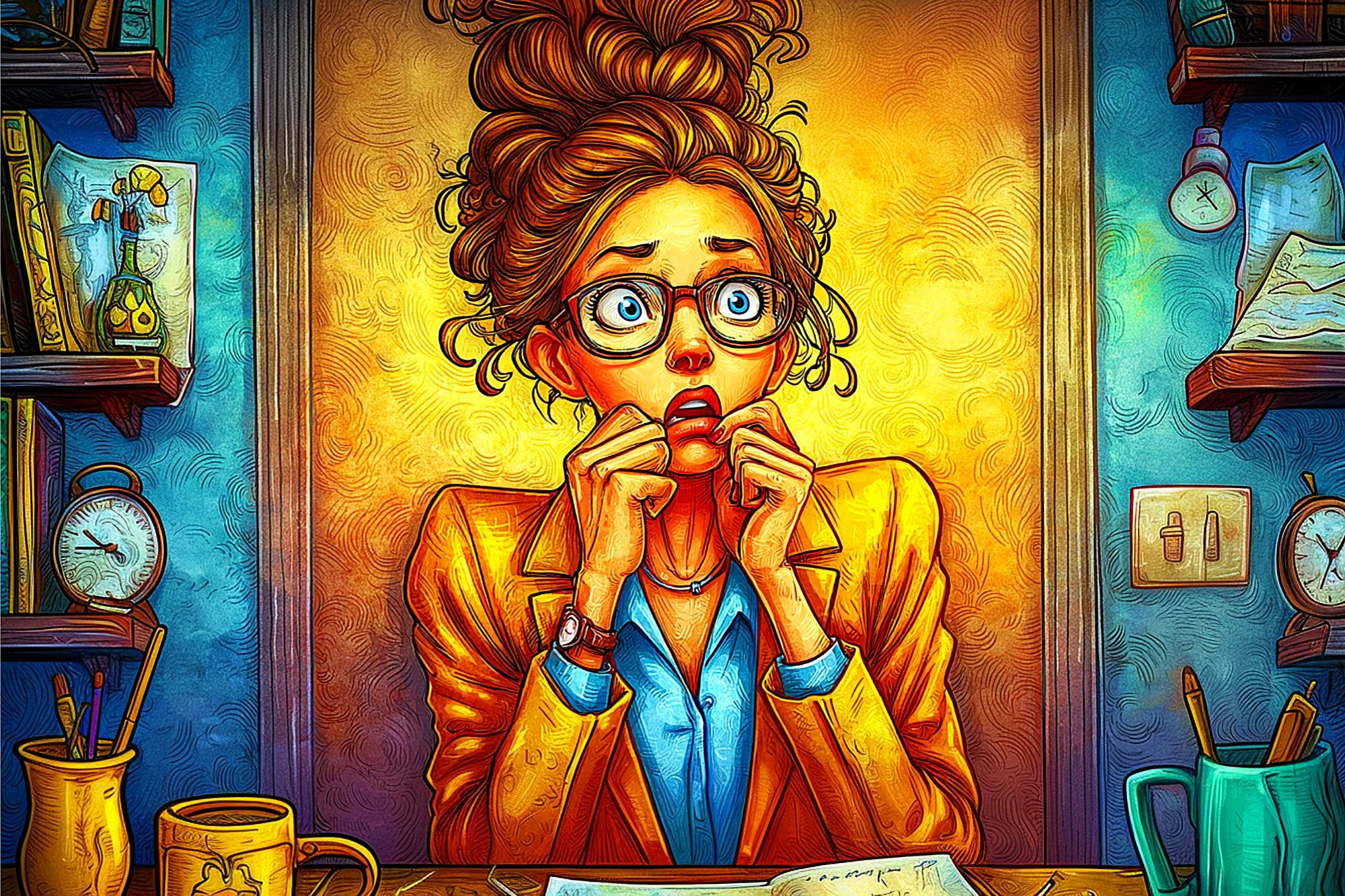
Anxiety doesn’t come with a manual explaining itself to the world. While we’re getting better at talking about mental health, there’s still a massive gap between what anxiety looks like from the inside and how others perceive it from the outside.
When someone struggles with anxiety, their coping mechanisms and protective behaviors can easily be misinterpreted by friends, family, and colleagues. What feels like survival to them can appear rude, controlling, or even attention-seeking to others.
The result? Anxious people often find themselves caught in a frustrating cycle of being misunderstood, judged, and sometimes even avoided—which only feeds their anxiety further. Here are 9 behaviors that are common in anxious people which get frequently misinterpreted.
1. They ask the same questions repeatedly.
You’ve probably encountered this: someone asking “Are you sure you’re not mad at me?” for the third time in an hour, or your colleague checking again whether they remembered to send that important email you’ve already confirmed receiving.
From the outside, this repetitive questioning can feel exhausting, annoying, or even insulting. As if you can’t be trusted to give an honest answer the first time. People might wonder why their reassurance isn’t enough or assume the anxious person doesn’t respect their word.
But often, what’s really happening is that even when someone provides a clear, kind answer, anxiety creates doubt and “what if” scenarios that override logic. It’s not that they don’t trust you—they don’t trust their own ability to interpret information correctly.
The internal dialogue goes something like: “They said they’re not mad, but maybe they’re just being polite. What if they’re actually furious and I can’t tell?” So they ask again. And experts advise that although each reassurance provides temporary relief, it actually creates a vicious cycle that increases anxiety, increases the need for reassurance, and hinders our confidence in ourselves.
2. They overexplain everything.
When someone arrives ten minutes late to your meeting and launches into a detailed monologue about traffic patterns, construction delays, parking struggles, and three different route options they considered, it might seem excessive. You just wanted to know they were okay, not receive a comprehensive travel report.
This overexplaining often comes across as making excuses, being dramatic, or assuming others are judgmental.
The reality is that anxious people usually live with an internal critic that’s far harsher than anything others might think. One Heart Counselling advises that they worry a lot about what others think of them, so they scramble to provide context that will prevent misunderstanding.
They’re also trying to demonstrate that they’re responsible and that the lateness was an anomaly, not a character flaw. But unfortunately, this usually backfires because the overexplanation draws more attention to the minor issue than was necessary.
3. They seem flaky or unreliable (but they’re actually overthinking).
Reliable people show up when they say they will, right?
Well, sort of.
But for someone with anxiety, each social commitment becomes a minefield of potential disasters. They may agree to things with every intention of following through, but as the event approaches, their mind spirals: “What if I say something stupid? What if they realize I’m boring? What if I have a panic attack and embarrass myself? What if they invited me out of pity?”
The closer the date gets, the more intense these worries become. Canceling feels like the only way to escape the mounting dread, even though it brings immediate guilt and shame. They know they’re letting people down, which creates more anxiety about being viewed negatively, which, ironically, is exactly what they were trying to avoid.
What’s more, this creates a vicious cycle where their coping mechanism (avoidance) reinforces the very social rejection they feared in the first place.
4. They appear controlling or micromanaging.
You might know someone who insists on planning every detail of a group outing, sends multiple reminder texts about timing, or gets visibly stressed when plans deviate from the original schedule. To others, this can feel suffocating or bossy.
When people see someone micromanaging situations, they often assume it’s about power or a belief that others are incompetent. And sometimes it is. But a lot of the time, this behavior stems from anxiety’s desperate need for predictability.
When you feel like your internal world is chaotic and unpredictable, controlling external circumstances becomes a survival strategy. Knowing exactly when, where, and how things will happen provides a sense of safety that anxious people rarely feel otherwise.
When plans change unexpectedly, it can trigger genuine panic because it removes the carefully constructed safety net the anxious person has built around the situation.
5. They seem antisocial or unfriendly.
If you’ve ever noticed someone standing alone at parties, avoiding workplace conversations, or declining social invitations repeatedly, you might assume they’re snobbish, disinterested, or simply don’t like being around people.
This perception is completely understandable—when someone consistently removes themselves from social situations, it’s natural to conclude they prefer solitude or think they’re too good for casual interaction.
But the truth is often the opposite. Many anxious people desperately want connection but feel paralyzed by fear, especially those with social anxiety. They stand in the corner because approaching a group feels impossible, not because they’re judging others. In fact, they are the ones fearing being judged, worrying that they’ll do or say something embarrassing.
As a result, the safest option seems to be avoiding people altogether, even though this isolation feeds their anxiety and confirms their fears about being unlikable or socially incompetent.
6. They appear indecisive or wishy-washy.
As someone who struggles with making decisions, I know how frustrating this can be for those around me. (And, trust me, it’s fairly frustrating for me, too.) It’s easy to interpret this behavior as not caring enough to have an opinion or being difficult just for the sake of it. And in a relationship, it can be irritating for the other party to always be the one responsible for making the decisions.
So what drives it? Simply put, for anxious individuals, decisions often feel loaded with potential for failure and judgment. Choosing the wrong restaurant might ruin everyone’s evening. Suggesting an activity others don’t enjoy could label them as thoughtless. Every option carries the risk of disappointment or criticism.
They also worry about their own satisfaction. What if they pick something and then don’t enjoy it? What if others can tell they made a poor choice? What if they spend money on the wrong thing? The fear of regret and the responsibility for getting it “right” make even simple decisions feel overwhelming.
7. They seem attention-seeking or dramatic.
When anxiety manifests visibly, others might interpret these moments as performative or manipulative. This might look like panic attacks, frequent worry-sharing, or emotional overwhelm in public spaces. Unfortunately, comments about attention-seeking are common.
What makes this perception particularly painful is that anxious people are usually mortified by their visible distress. They’re certainly not choosing to have panic attacks or seeking the spotlight through their struggles. They’re genuinely overwhelmed and often wish desperately that they could hide their anxiety completely.
The shame spiral that follows these moments is intense: “Everyone thinks I’m crazy. I’m so embarrassing. I can’t even handle normal situations like a regular person.” This shame often leads to more isolation and avoidance, which reinforces their belief that they’re fundamentally different or broken.
8. They appear needy or clingy in relationships.
For anxious people, silence feels dangerous. They might send multiple texts without responses, need frequent contact, or struggle with alone time in relationships. And the result is often that partners and friends feel suffocated or overwhelmed by the intensity of their needs.
Their behavior often gets labeled as clingy, needy, or codependent. Others might feel like they can’t have normal space without the anxious person interpreting it as rejection or abandonment. What’s more, the constant need for reassurance about the relationship can create exactly the distance they’re trying to prevent.
And then they experience shame about being “too much,” which often makes the anxiety worse, creating a cycle where they need more reassurance to manage their guilt about needing reassurance.
People who are anxious often struggle with alone time because it provides space for anxious thoughts to multiply without distraction. Being with others, especially loved ones, provides temporary relief from their internal turmoil. But unfortunately, this creates pressure on relationships that can become unsustainable for both parties.
9. Their body language appears “closed off” or distracted.
Body language “experts” would have you believe that someone sitting with arms crossed, avoiding eye contact, fidgeting constantly, or looking everywhere except at the person speaking is rude, disinterested, or shifty.
The reality is that body language, and the meaning behind it, is far more nuanced. There are many reasons why someone might avoid eye contact or fidget, most of which have little to do with someone’s character or intention. Anxiety is one reason, but so too are neurodivergence and differing cultural norms.
In the case of anxiety, it’s often that the nervous system is in overdrive. The fidgeting isn’t disrespect. It’s an attempt to self-soothe when internal anxiety feels unbearable. The closed posture and lack of eye contact isn’t rejection. It’s self-protection when a person feels emotionally raw and exposed.
It’s about time we stopped perpetuating harmful beliefs about body language. If someone is showing you that they’re engaged through their words and contributions, what does it really matter where they are looking or how they are standing?
Final thoughts…
Frustrating though these behaviors can be for those on the receiving end, you can rest assured that when they come from a place of anxiety, they are equally as frustrating for the individual themselves.
If you recognize these patterns, consider asking gentle questions rather than making assumptions about the other person’s intentions. Support them to seek the help and strategies that will benefit both their mental health and the relationships they are likely working desperately to maintain.